
Last updated September 22, 2026
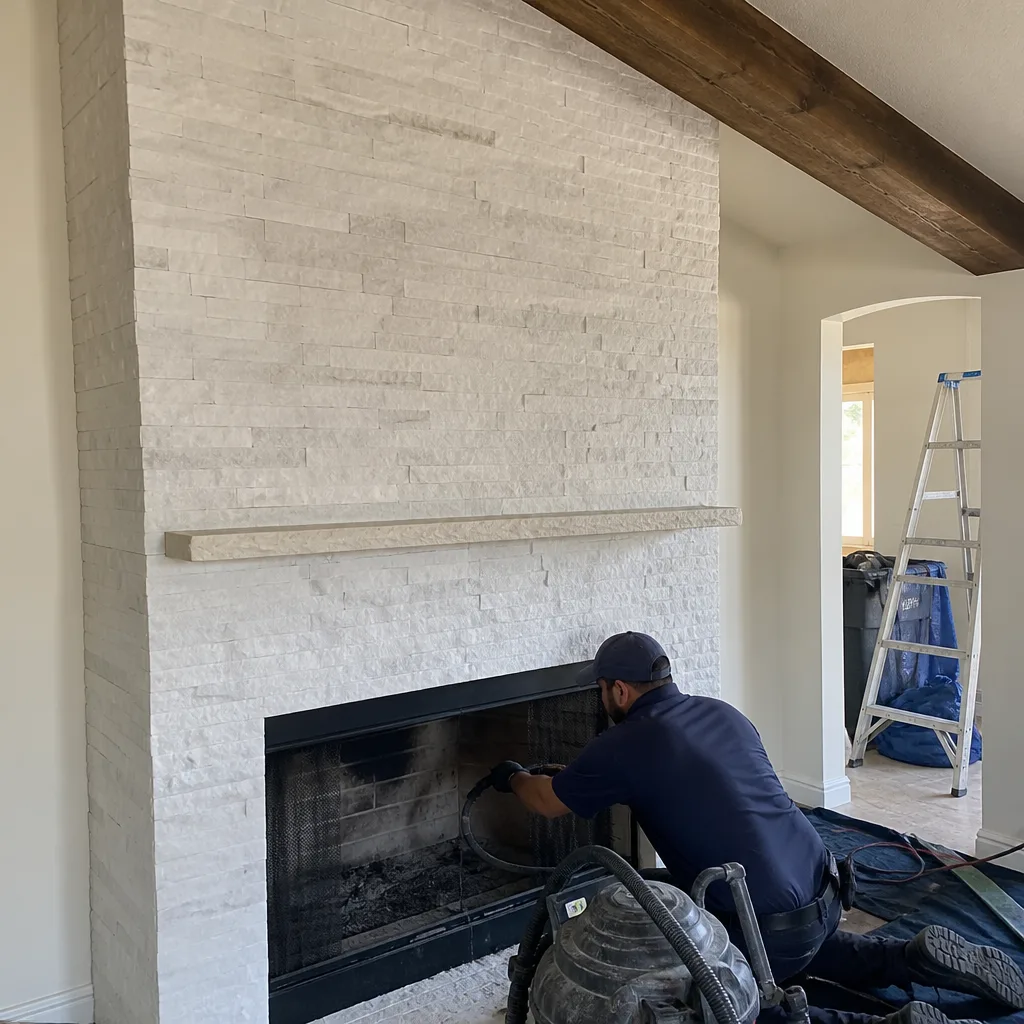
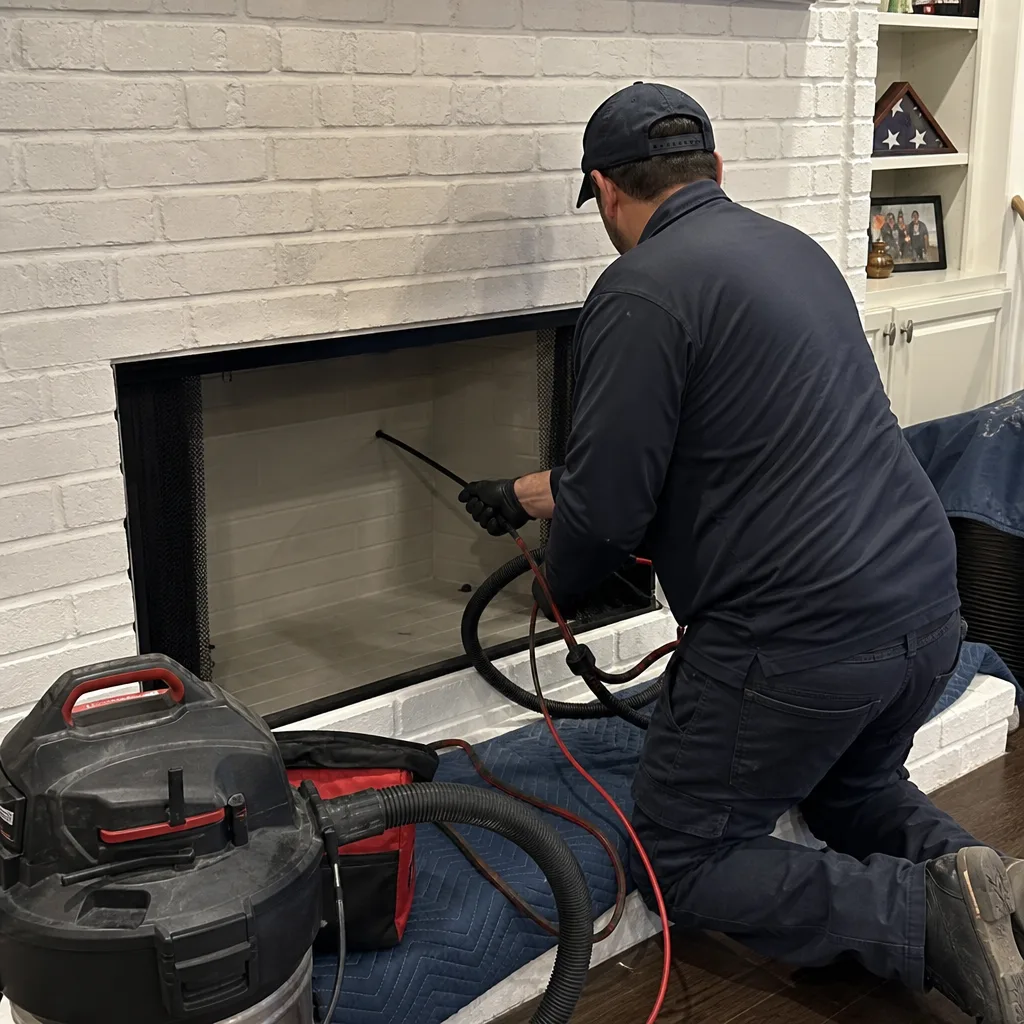
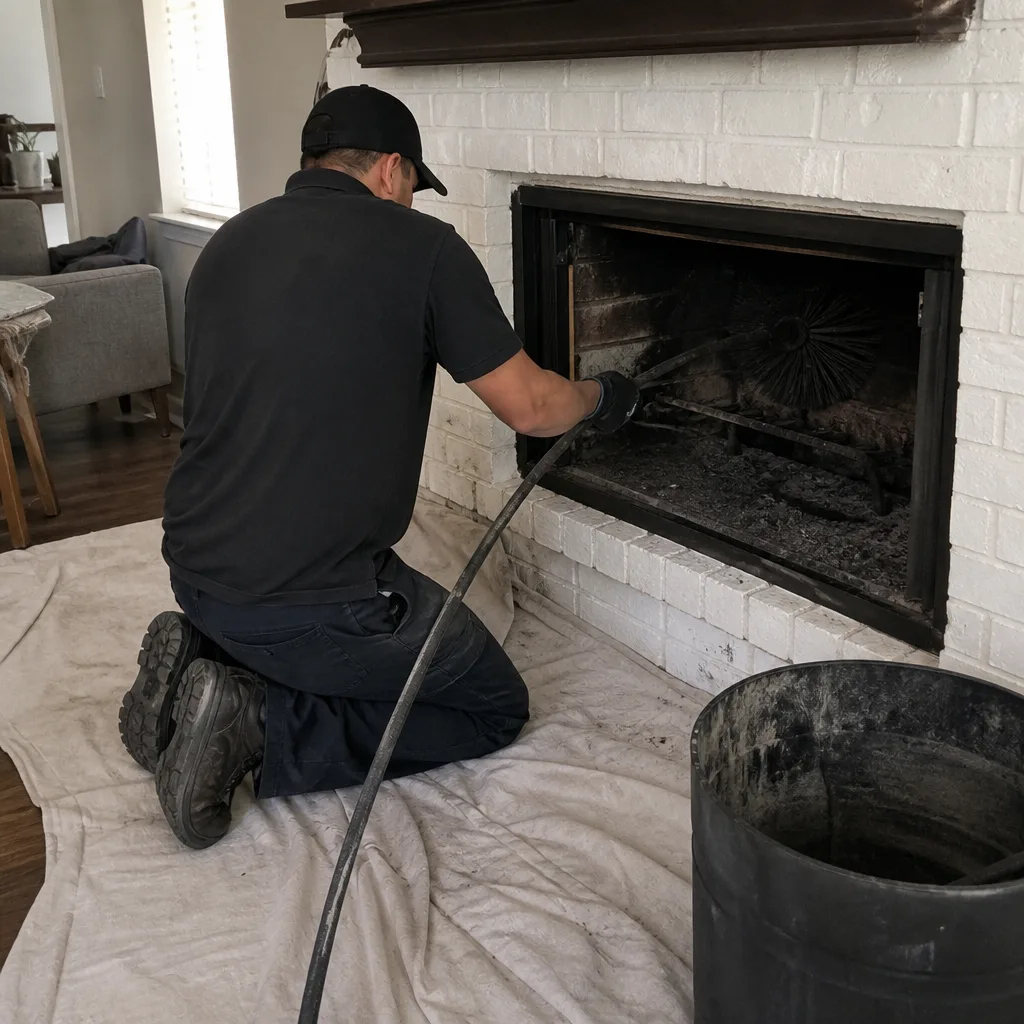
Level 1 sweep and inspection to the NFPA 211 annual standard - flue, crown, cap, and flashing checked and photographed
Chimney sweep logs do not sweep chimneys. They loosen some creosote - which then falls where a brush and vacuum still have to collect it.
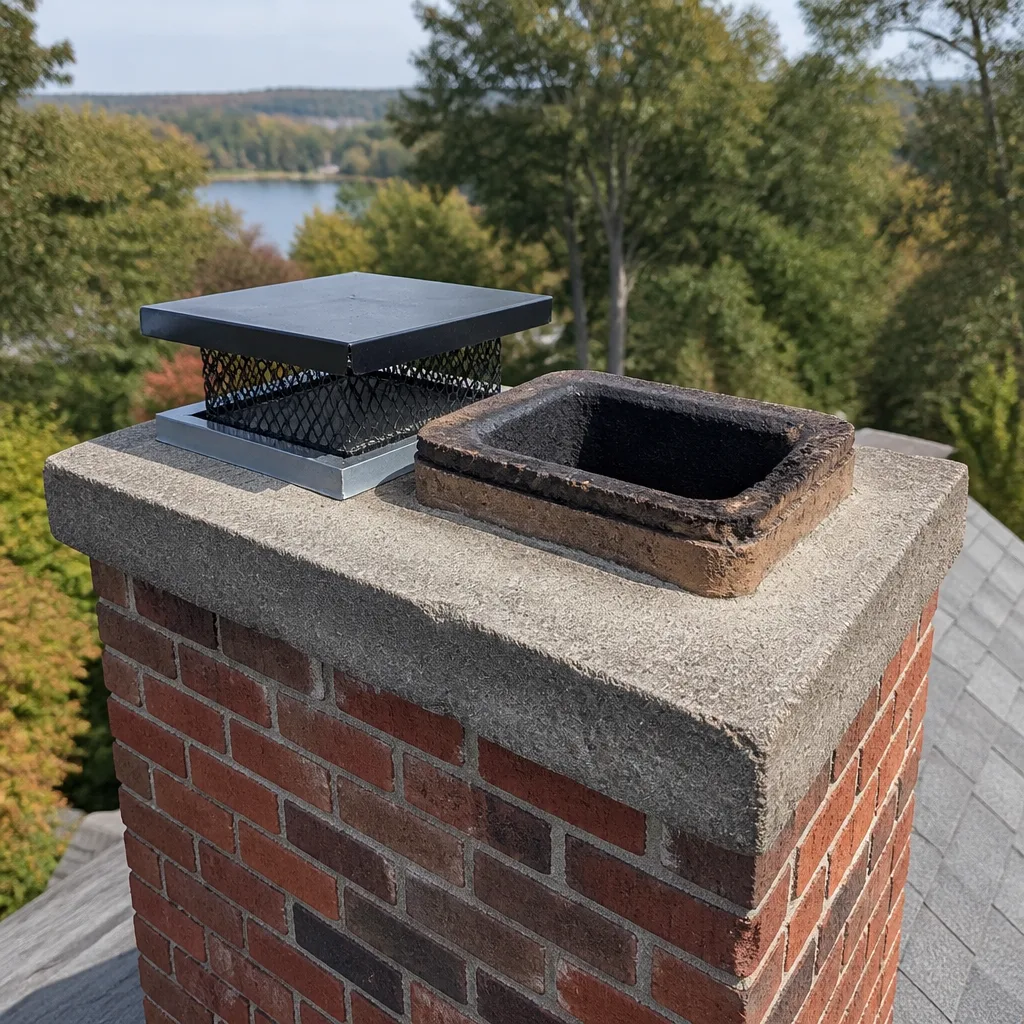
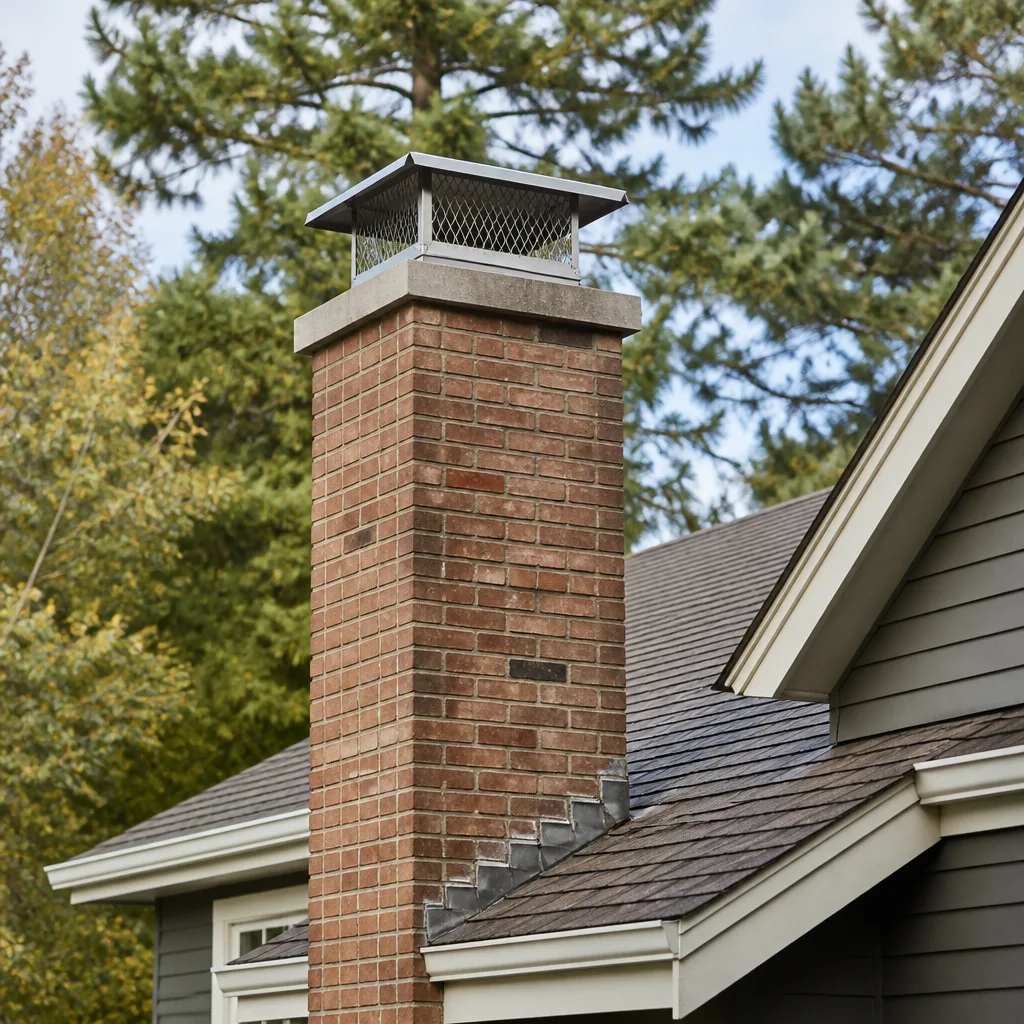
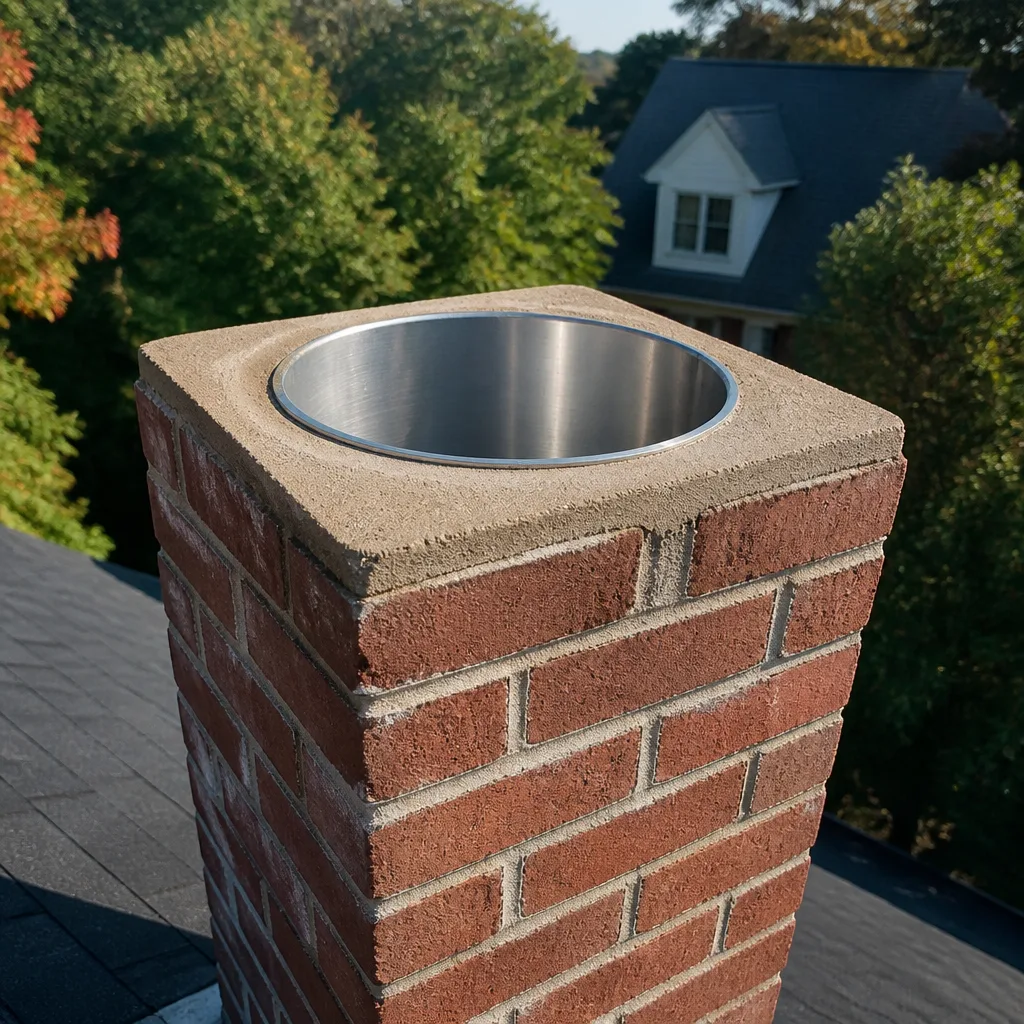
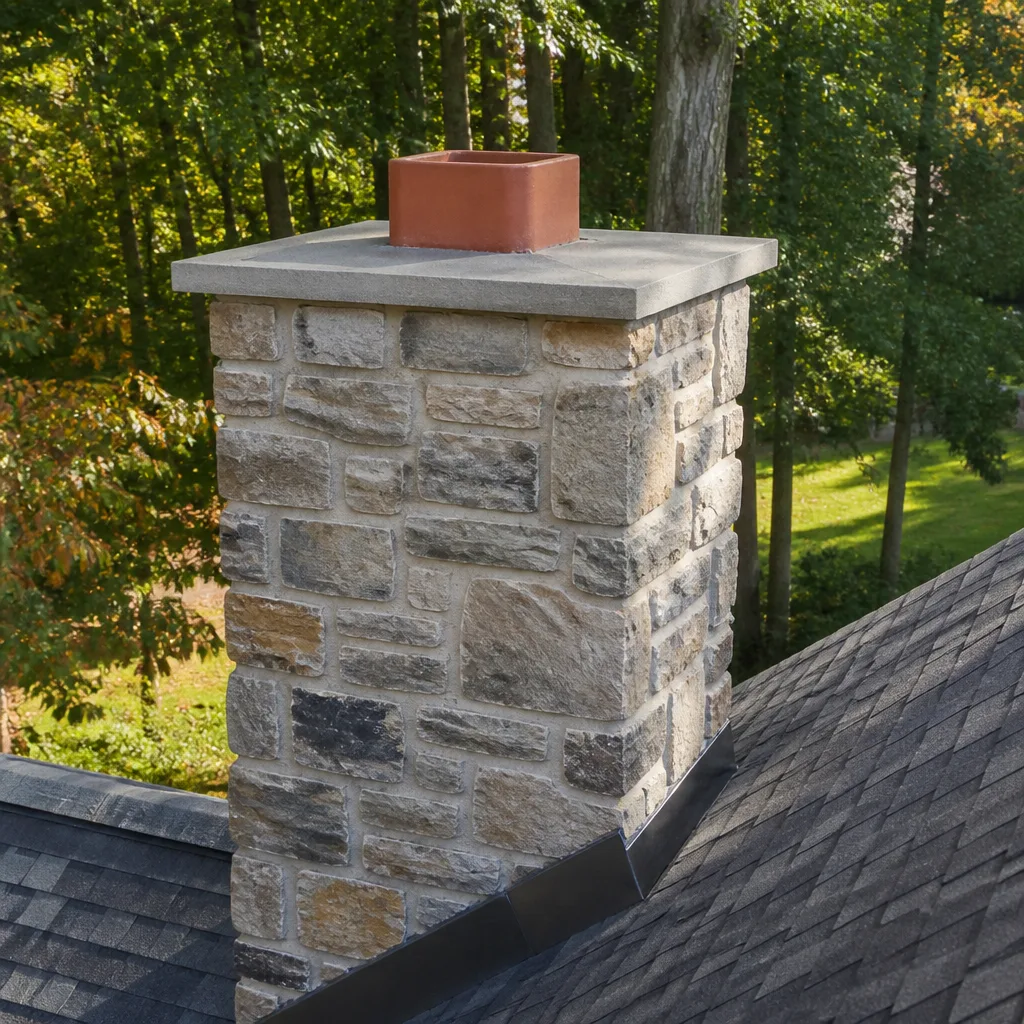
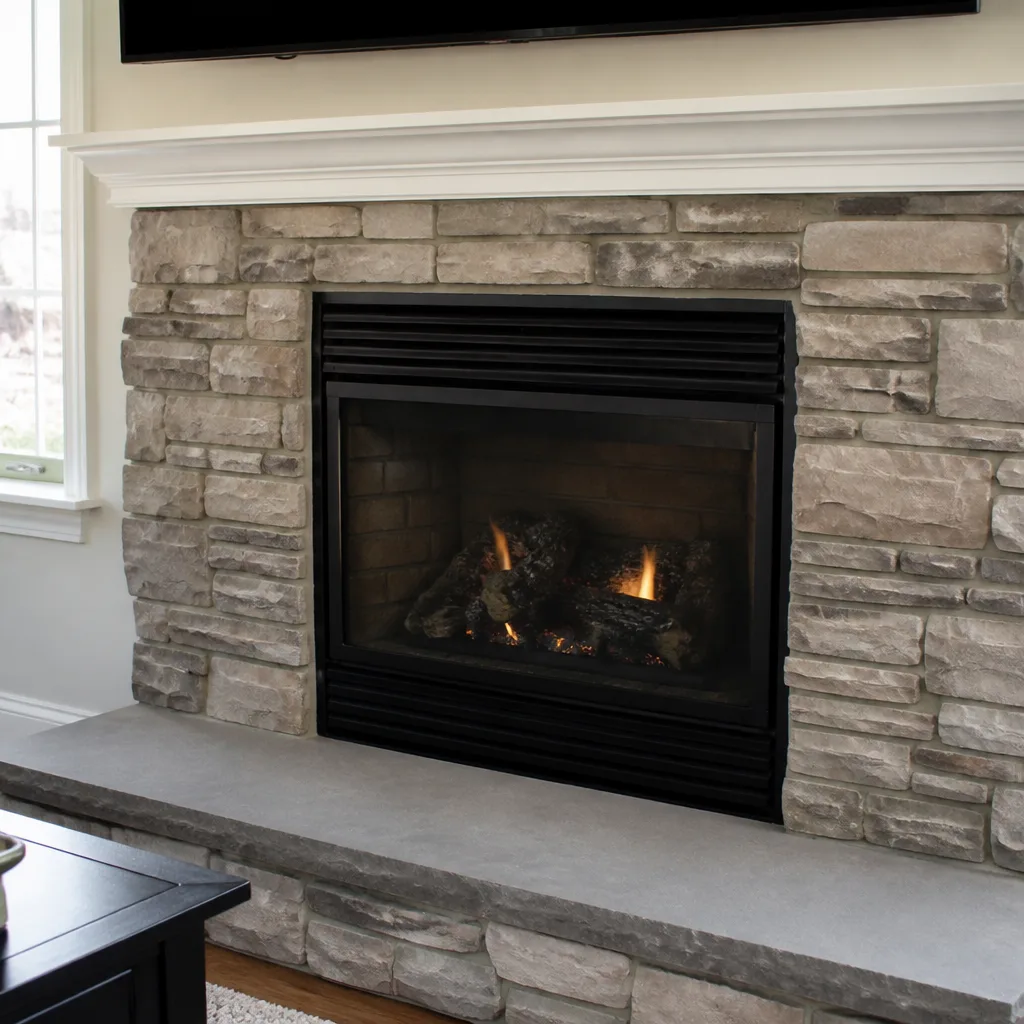
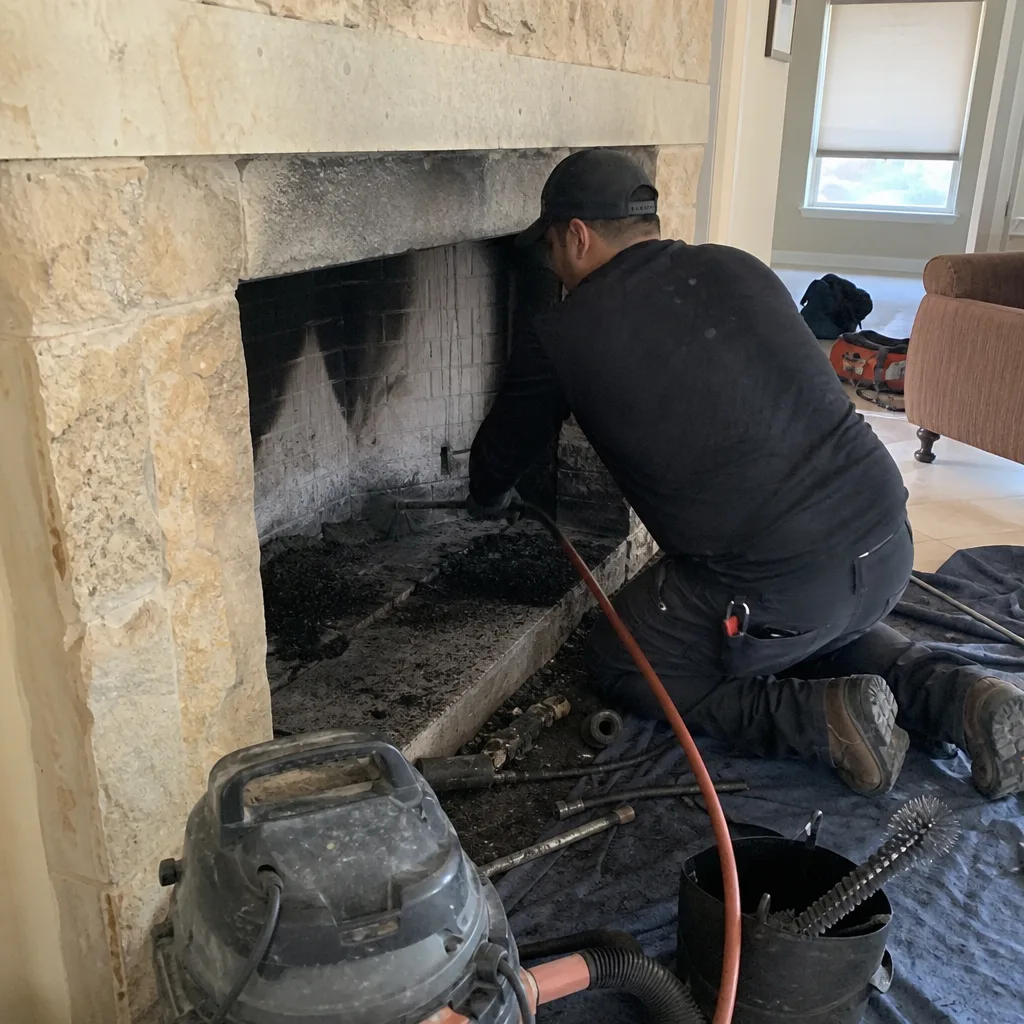 Before
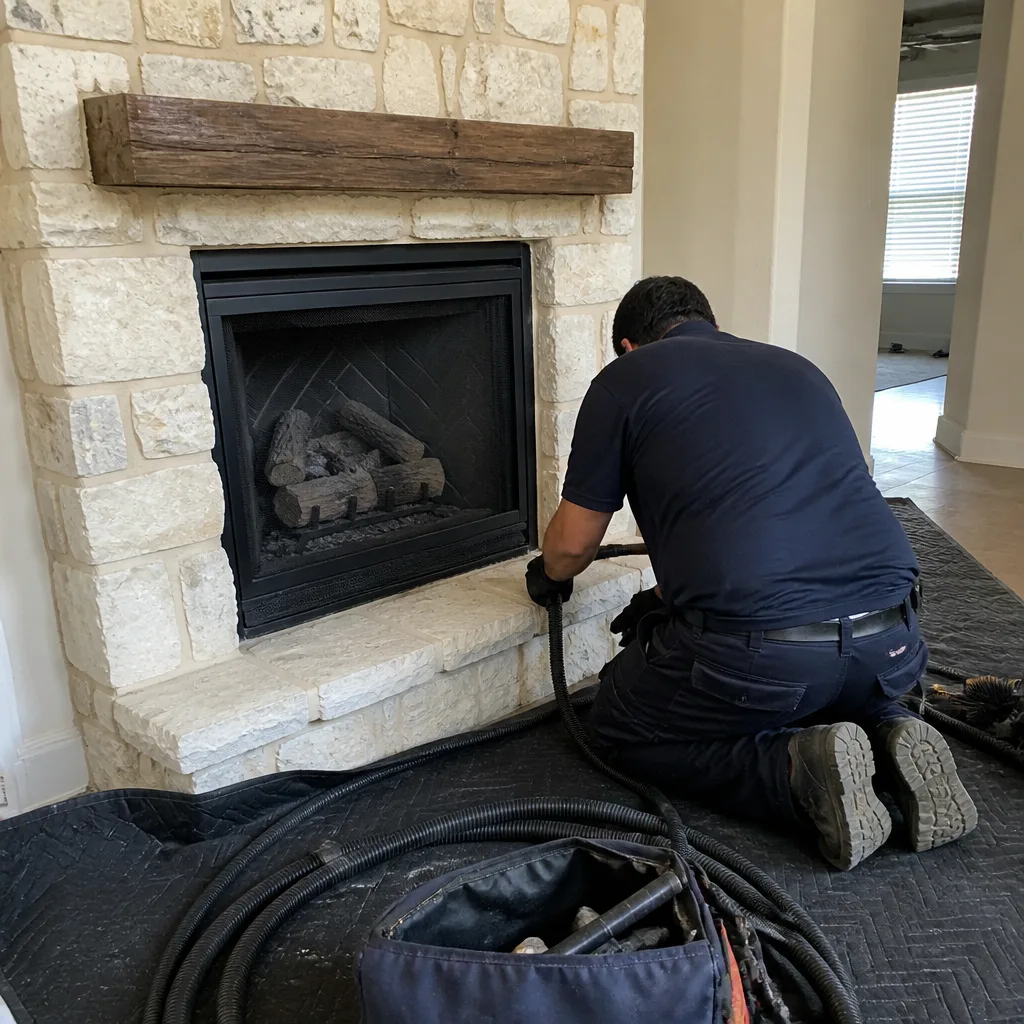 After
After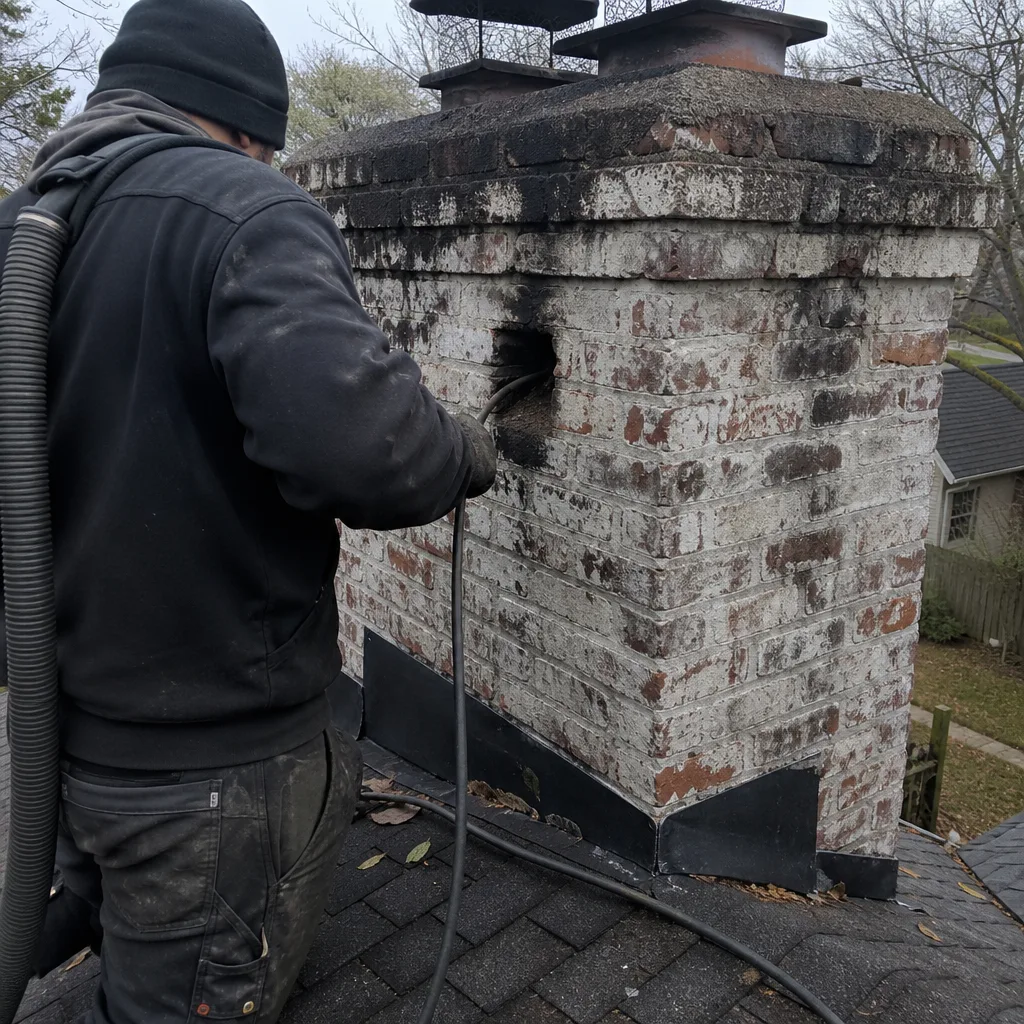 Before
 After
After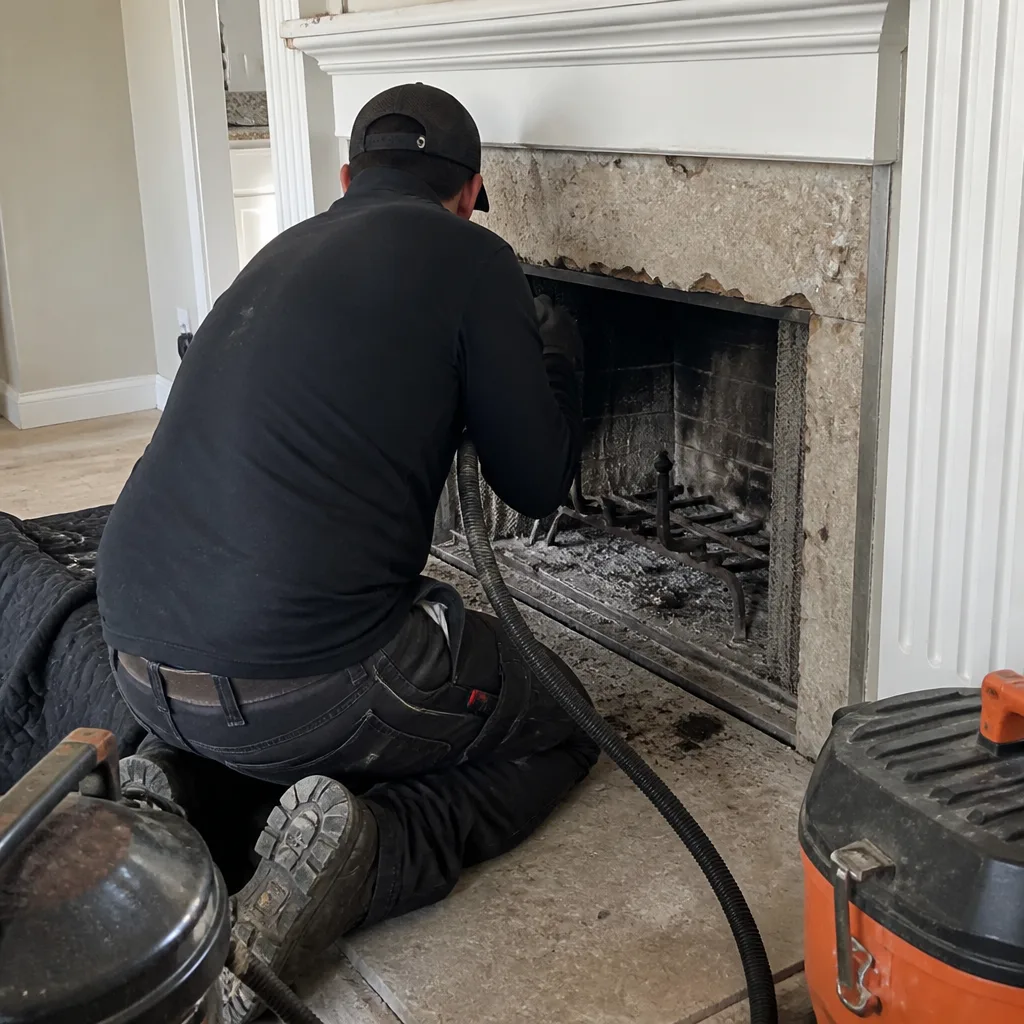 Before
 After
AfterSeasonal Chimney Cleaning Care for Dallas: Year-Round Homeowner’s Guide
September in Dallas: 95 degrees, nobody thinking about fireplaces. October 15th: first cold front, first fire, first smell of something wrong. The off-season is when chimney problems develop; the cold front is just when they announce themselves. Dallas’s climate doesn’t divide neatly into four chimney seasons - it divides into two critical windows (pre-season October and post-season March) and two neglect periods where the wrong inaction creates the next season’s problem. In this guide, we’ll walk through exactly what happens inside your flue during each phase of the Dallas year, what to check yourself, what to schedule professionally, and how to avoid the emergency calls that spike every October when the temperature drops below 60 degrees. For Chimney Cleaning & Sweep Maintenance Checklist for Dallas Homeowners, see our detailed resource.
Quick Answer
Dallas homeowners need chimney attention twice yearly: a full Chimney Cleaning & Sweep in Dallas and NFPA 211 Level 2 inspection in early October before the first cold front, and a post-season cap, crown, and damper check in March after the burn season ends. Summer months are for masonry repairs and liner work when heat accelerates mortar cure and scheduling is flexible. Neglect any of these windows, and you’re likely facing a two-week wait for service when you need it most, or worse - a chimney fire on the first night below 40 degrees.
Table of Contents
- Why Dallas’s Two-Season Climate Changes Everything
- What Happens Inside an Uncapped Dallas Flue During July and August
- The October Pre-Season Protocol: What to Check and When to Book
- Dallas Burn Season: Mid-October Through February
- March Post-Season Tasks That Prevent Summer Moisture Damage
- How to Handle the Dallas Spring Storm Sequence
- Summer Chimney Tasks That Cost Less Than Fall Emergency Calls
- What Seasonal Chimney Care Costs in Dallas
 Before
 After
AfterWhy Dallas’s Two-Season Climate Changes Everything
Most national chimney guides assume a four-season cycle: clean in spring, inspect in fall, repair in summer, burn in winter. Dallas doesn’t cooperate with this template. Our average first freeze arrives around November 22nd, but the first meaningful cold front - the one that drives homeowners to light their first fire - typically hits between October 10th and October 20th. That front drops temperatures from the 80s to the 50s in 24 hours, and our phones start ringing.
The problem isn’t the cold. It’s what preceded it: six months of 90-plus temperatures, sudden thunderstorms, and prolonged humidity that most of the country doesn’t associate with North Texas. From May through September, your flue isn’t resting. It’s absorbing moisture, hosting wildlife, and accumulating the debris that will carbonize into creosote on that first October burn.
We’ve inspected chimneys in Lakewood, Preston Hollow, and the M Streets where the homeowner swore they hadn’t burned since February, yet we pulled a Class II creosote deposit thick enough to restrict draft. The source? A summer’s worth of leaf litter, spider webs, and atmospheric moisture that baked into a fuel source during the first fall fire. Dallas’s extended heat season doesn’t pause chimney degradation; it changes its chemistry.
The second Dallas-specific factor: our clay soil and foundation movement. Chimneys in this market crack differently than in freeze-thaw climates. The constant soil expansion and contraction during our wet springs and dry summers creates hairline crown fractures that look minor in August and funnel gallons of water into the flue by January. A crown that reads “fine” in a July flashlight inspection is often actively failing by March. Only a camera-down inspection reveals the progression.
This is why we structure our Dallas service calendar around two action windows and two monitoring periods, not four equal seasons. Miss an action window, and you don’t slide to the next quarter. You create a compound problem that costs exponentially more to resolve.
What Happens Inside an Uncapped Dallas Flue During July and August
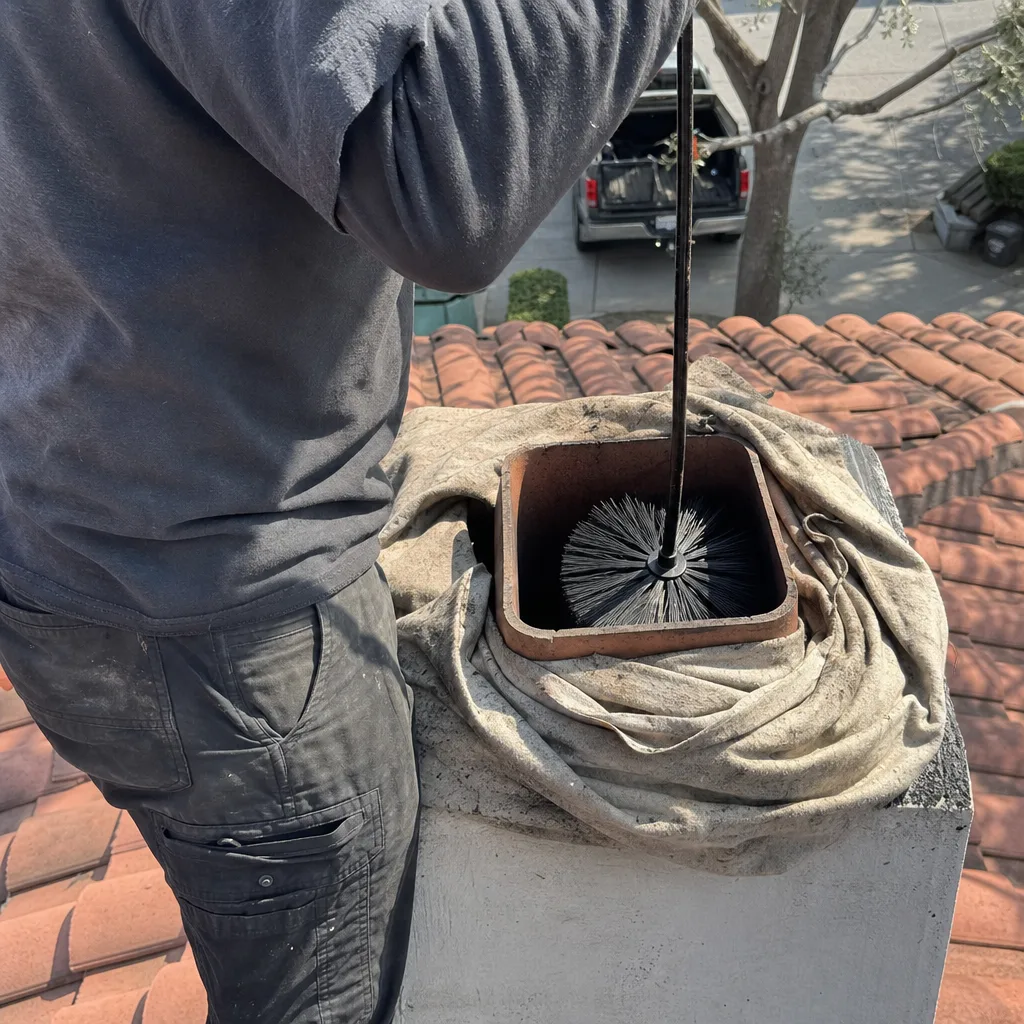
An uncapped flue in Dallas during peak summer is essentially a vertical vent collecting everything the Gulf breeze delivers. Here’s the specific progression we document on cameras during October inspections:
- Moisture accumulation: Dallas summer humidity averages 65-70% even without rain. Warm, moist air rises into the flue, condenses on the cooler masonry above the roofline, and creates a damp surface coating. In brick chimneys, this wicks into mortar joints. In metal flue liners, it initiates surface oxidation that we’ll photograph and measure.
- Nesting activity: Chimney Swifts are federally protected migratory birds that arrive in Dallas by late March and establish nests through August. A single nest can block 40% of flue area. More common and more destructive are European Starlings and House Sparrows - non-native species that pack nesting material into the smoke chamber and damper throat. We’ve removed nests in University Park that contained twigs, plastic debris, and enough material to fill a grocery bag.
- Insect colonization: Paper wasps and mud daubers build nests in flue openings and on damper hardware. Their nests don’t block draft like bird material, but they indicate an uncapped flue and can trigger sudden infestations that enter the firebox when the damper opens.
- Organic decomposition: The combination of moisture, nesting material, and trapped heat creates anaerobic decomposition. By September, this produces acidic compounds that etch metal flue surfaces and accelerate mortar deterioration. When the first fire is lit in October, this material doesn’t just burn - it pyrolyzes, releasing volatile gases that deposit as Stage 2 creosote on the flue walls above the fire.
The critical distinction: this isn’t “dirt.” It’s chemically active fuel that transforms your first fall fire into a creosote-formation event. We’ve measured flue temperatures in North Dallas homes where the first October burn created a 200°F temperature differential between the firebox and the flue top, driving condensation of pyrolyzed organics onto cooler upper surfaces. Within three fires, the homeowner has a measurable creosote deposit that would have been preventable with a summer cap inspection.
Prevention is straightforward and specific: a properly fitted chimney cap with mesh sides (not just a rain pan), inspected for wind damage after spring storms, with the flue opening verified clear before September 1st. The cap itself should be stainless steel or copper in Dallas’s UV environment; galvanized caps we see in older Lakewood and Kessler Park homes typically show rust-through in 3-4 years.
The October Pre-Season Protocol: What to Check and When to Book
The October 15th cold front is predictable enough that we can set our calendar by it. Here’s the booking reality: call us on October 1st, and we’re typically scheduling same-week. Call us on October 16th, and the wait stretches to 10-14 days. Call after the first freeze warning, and you’re in a queue with everyone else who smelled smoke in their living room.
Our pre-season protocol, developed across 38,000+ inspections since 2009, follows a specific sequence:
- Exterior ground-level inspection: Before we arrive, walk your property and look for crown cracks, missing mortar, or displaced cap pieces on the ground. Note any vegetation growing from the chimney structure - roots indicate mortar failure. In Dallas’s post-drought recovery periods, we’ve seen foundation shifts create new crown separations in a single season.
- Interior firebox and damper check: Open the damper fully and shine a flashlight upward. You should see open flue, not obstruction, nesting material, or daylight blocked by debris. Check that the damper plate seats fully when closed - a gap of even 1/4 inch costs measurable heated air during Dallas’s brief but genuine cold periods.
- Schedule the NFPA 211 Level 2 inspection: This is not optional for any Dallas home with a wood-burning fireplace, and it’s the standard we established as Clause 4 of the Haven Standard in 2009. A Level 2 includes camera inspection of the full flue length, accessible portions of the smoke chamber, and firebox. We document every inspection with dated photos and a written condition report.
- Review the written scope before any work: Clause 1 of the Haven Standard requires a written price, written scope, and written warranty before work begins. We deliver this by text or email after inspection, not verbally while standing in your living room. You review, approve, or decline each item independently.
What we’re specifically looking for in Dallas October inspections: creosote classification (Class I brushable, Class II glazed requiring rotary chains, or Class III tar-like requiring chemical treatment), flue liner integrity including spalling or joint separation, smoke chamber parging condition, and crown waterproofing status. We also check for evidence of previous chimney fires - hairline cracks in flue tiles, distorted metal liners, or heat-discolored masonry that homeowners often don’t recognize because the fire self-extinguished without their knowledge.
The Dallas-specific urgency factor: our compressed burn season. A homeowner in Minneapolis might spread 40 fires across five months. A Dallas homeowner often compresses equivalent use into 60-90 days of genuinely cold weather, creating more thermal cycling stress in less calendar time. This is why we see more thermal-shock liner damage in Dallas than in colder climates with longer, steadier burn seasons.
Dallas Burn Season: Mid-October Through February
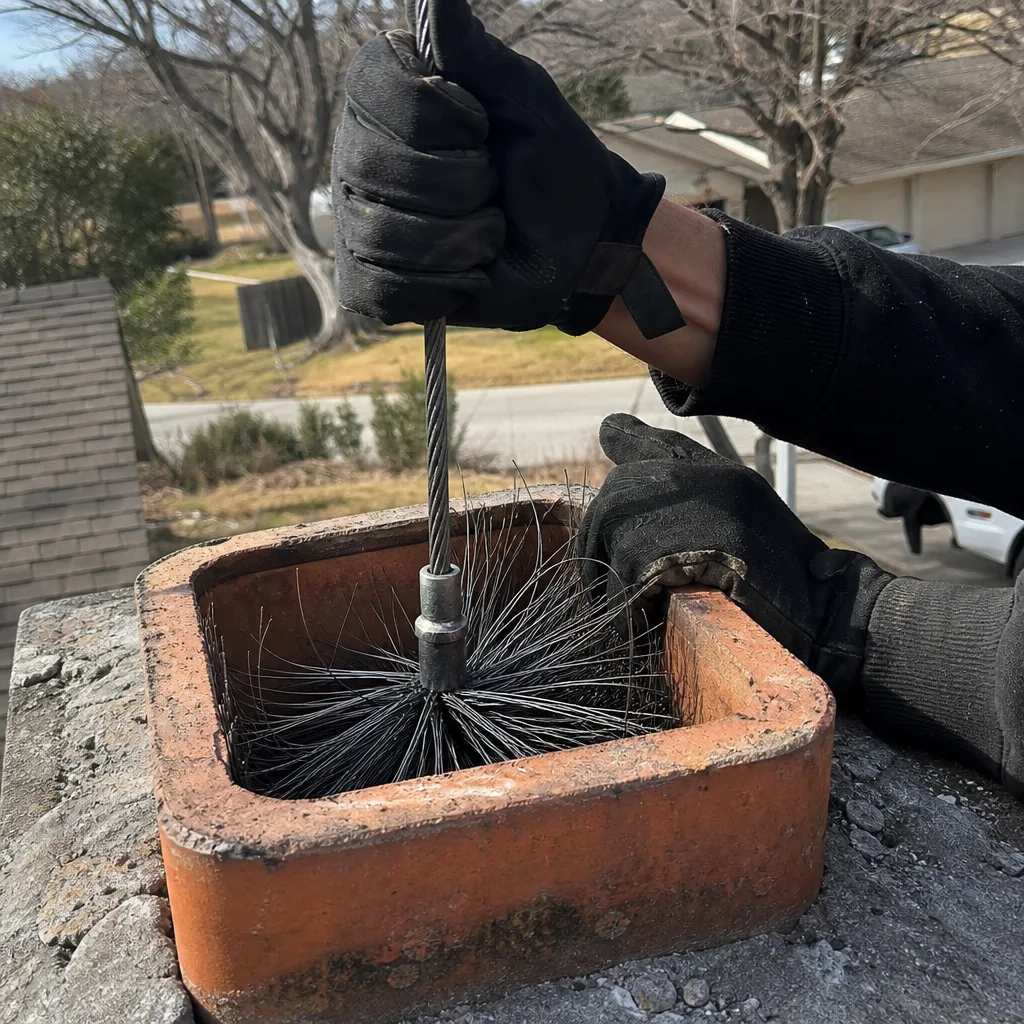
Once the pre-season inspection is complete and any necessary cleaning or repairs are finished, the burn season itself requires a different maintenance rhythm than national guides suggest.
For Dallas’s typical usage pattern - weekend fires, holiday gatherings, occasional weeknight use during cold snaps - we recommend these specific practices:
- Burn only seasoned hardwood: In Dallas’s humidity, “seasoned” wood often isn’t. Buy from established suppliers in Ellis or Kaufman counties who kiln-dry or cover-stack for 12+ months. Moisture content above 20% creates steam that cools flue gases and accelerates creosote. We keep a moisture meter in our truck and check customer wood on request; readings above 25% explain most mid-season creosote problems we see in Lakewood and Oak Cliff.
- Build smaller, hotter fires: A smoldering load of wet wood is a creosote factory. A brisk, well-oxygenated fire burns cleaner and warms the flue sufficiently to maintain draft. In Dallas’s milder cold periods, resist the temptation to damp down for overnight burning - this is when the worst deposits form.
- Monitor for draft reversal: Dallas’s pressure patterns shift with cold fronts. If you smell smoke or see it puff from the firebox when opening the damper, stop burning and call for inspection. This indicates either flue obstruction, negative pressure from HVAC imbalance, or wind-induced downdraft - all diagnosable, none safe to ignore.
- Schedule mid-season inspection if you burn more than twice weekly: For heavy users, a January camera check catches creosote buildup before it reaches hazardous thickness. This is particularly relevant for homeowners in older Dallas neighborhoods with unlined brick chimneys, where creosote impregnates mortar joints and becomes increasingly difficult to remove.
The specific Dallas hazard we document most frequently during burn season: carbon monoxide spillage from blocked or partially obstructed flues combined with tightly sealed modern homes. Dallas’s 2015-2025 housing stock features excellent envelope sealing, which is energy-efficient but unforgiving of combustion appliance problems. A flue operating at 80% efficiency in a drafty 1980s home becomes a CO hazard in a sealed 2020 build. We recommend CO detectors on every level, tested monthly, with replacement every 5-7 years - not the “when it chirps” approach we encounter too often.
March Post-Season Tasks That Prevent Summer Moisture Damage
March in Dallas is the forgotten chimney season. The burn season has ended, spring storms haven’t arrived, and homeowners naturally deprioritize fireplace maintenance. This is precisely when strategic action prevents the summer damage cycle we described earlier.
Our post-season protocol targets the components that will face six months of heat, humidity, and UV exposure:
- Cap inspection and mesh clearing: Remove accumulated soot and creosote particles from cap mesh. In Dallas’s pollen-heavy March, this mesh also collects oak and cedar debris that restricts airflow. Verify cap attachment points - wind gusts that peak in March and April can loosen fasteners that held through winter.
- Crown seal assessment: The crown (the concrete or mortar top that sheds water away from the flue) takes the most weather exposure. We check for hairline cracks, spalling, and separation from the flue tile. In Dallas, we prefer crown sealants with elastomeric properties - products like those in the HeatShield system that accommodate the thermal and foundation movement common to this market. A crown that reads “minor cracking” in March is often “active leak” by June.
- Damper seating and hardware: After a season of thermal cycling, damper hinges and chains show wear. We verify full closure to prevent conditioned air loss during Dallas’s long cooling season. A damper that doesn’t seal costs more in summer AC than it does in winter heat.
- Firebox ash removal and inspection: Remove all ash (it holds moisture and becomes acidic) and inspect refractory panels for crack propagation. In factory-built fireplaces common in Dallas’s 2015-2025 construction, panel replacement is straightforward in March; by October, suppliers are backordered and we’re scheduling into November.
- Documentation archive: Under Clause 4 of the Haven Standard, we update your photo record with post-season condition documentation. This creates the baseline for October comparison - we can show you exactly how crown cracks progressed, or that a condition was stable across the summer.
The economic case for March action: masonry repairs scheduled April through June cost 15-25% less than identical work in October, when demand peaks. Mortar and crown sealants cure more predictably in Dallas’s 75-85 degree spring temperatures than in the variable conditions of late fall. And you’re not competing with emergency calls from homeowners who discovered their leak during the first hard rain.
How to Handle the Dallas Spring Storm Sequence
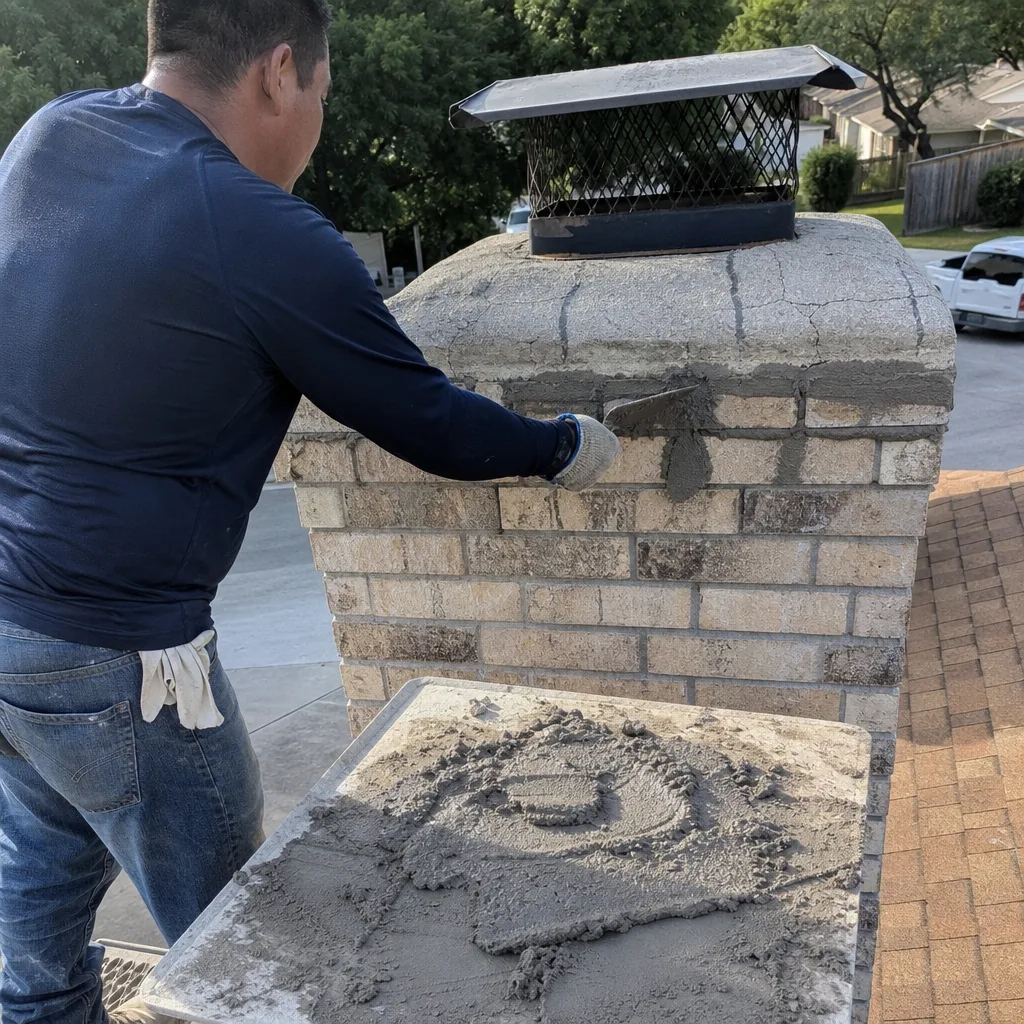
Dallas’s spring storm pattern - typically March through mid-May - presents a specific chimney hazard sequence that national guides don’t address. It’s not just rain; it’s the combination of hail, straight-line winds, and rapid temperature drops that stress chimney components differently than steady northern precipitation.
After any named storm or hail event (1-inch or greater, which Dallas experiences multiple times annually), perform this ground-level inspection before calling for service:
- Cap displacement or damage: From ground level with binoculars, verify the cap sits squarely on the flue and shows no denting or mesh deformation. Hail larger than 1 inch can flatten mesh sides or fracture welded seams.
- Crown edge integrity: Look for fresh spalling or chips along crown edges. Hail strikes here create entry points for the heavy rains that typically follow within 24-48 hours of Dallas hail events.
- Flashing displacement: Check where the chimney meets the roofline. Lifted or separated flashing is visible as a gap or shine difference. Dallas’s wind-driven rain exploits these gaps aggressively.
- Brick or stone debris on roof or ground: Any fresh masonry pieces indicate spalling that requires professional evaluation. In Dallas’s freeze-thaw-freeze pattern during late winter storms, saturated brick faces can spall with temperature drops of 20 degrees in an hour.
- Interior water signs: Check the firebox and adjacent ceiling for moisture within 48 hours of the storm. Delayed interior evidence often means water is tracking through the chimney structure rather than direct leakage, which indicates more extensive damage.
When to call immediately versus monitor: cap or flashing displacement requires prompt repair - the next storm will compound damage. Isolated hail dents on an otherwise secure cap can wait for scheduled maintenance. Fresh masonry debris always warrants inspection; the spalling that produced it typically indicates more extensive subsurface deterioration than is visible from ground level.
We source replacement caps and components through our Haven buying network, including Famco and Copperfield product lines selected for Dallas’s specific UV and hail exposure. After significant 2023 and 2024 hail events in Richardson, Plano, and Frisco, we’ve standardized on heavier-gauge stainless mesh and reinforced crown forms that exceed typical residential specifications.
Summer Chimney Tasks That Cost Less Than Fall Emergency Calls
June through August is the strategic window for non-urgent chimney work in Dallas. Here’s why the timing matters for specific projects:
Masonry repairs and repointing: Mortar cures through hydration, and Dallas’s summer temperatures accelerate the chemical set without the freeze-risk of winter work. We schedule tuckpointing, crown reconstruction, and exterior sealing during July and August when possible. The heat that makes attic work unpleasant for technicians actually improves cure quality for cementitious materials.
Flue liner installation: Whether stainless steel from DuraFlex or cast-in-place systems, liner work requires full chimney access and often involves temporary roof penetration. Summer scheduling avoids the October rush, and the extended cure times for refractory materials proceed without freeze interruption.
Fireplace conversion or insert installation: Gas insert installations, common in Dallas’s conversion market, require gas line coordination, electrical rough-in, and inspection scheduling. Municipal inspectors in Dallas, Plano, and surrounding jurisdictions have more availability in July than in October. We coordinate these installations through our Fireplace Services in Dallas division with permits pulled and inspections scheduled before work begins.
Historic chimney assessment: For Dallas’s pre-1970 housing stock - significant in neighborhoods like Swiss Avenue, Junius Heights, and Winnetka Heights - summer is the window for structural evaluation, including interior scaffold access and detailed mortar analysis. These assessments inform fall maintenance plans and preserve architectural integrity that generic approaches compromise.
The cost differential is real and substantial. Our 2023-2024 data shows average invoice values for identical scope running 18-22% lower for June-August scheduling versus October-November. The savings aren’t from discounting; they’re from efficient crew utilization, available material stock, and the elimination of emergency-trip premiums.
What Seasonal Chimney Care Costs in Dallas
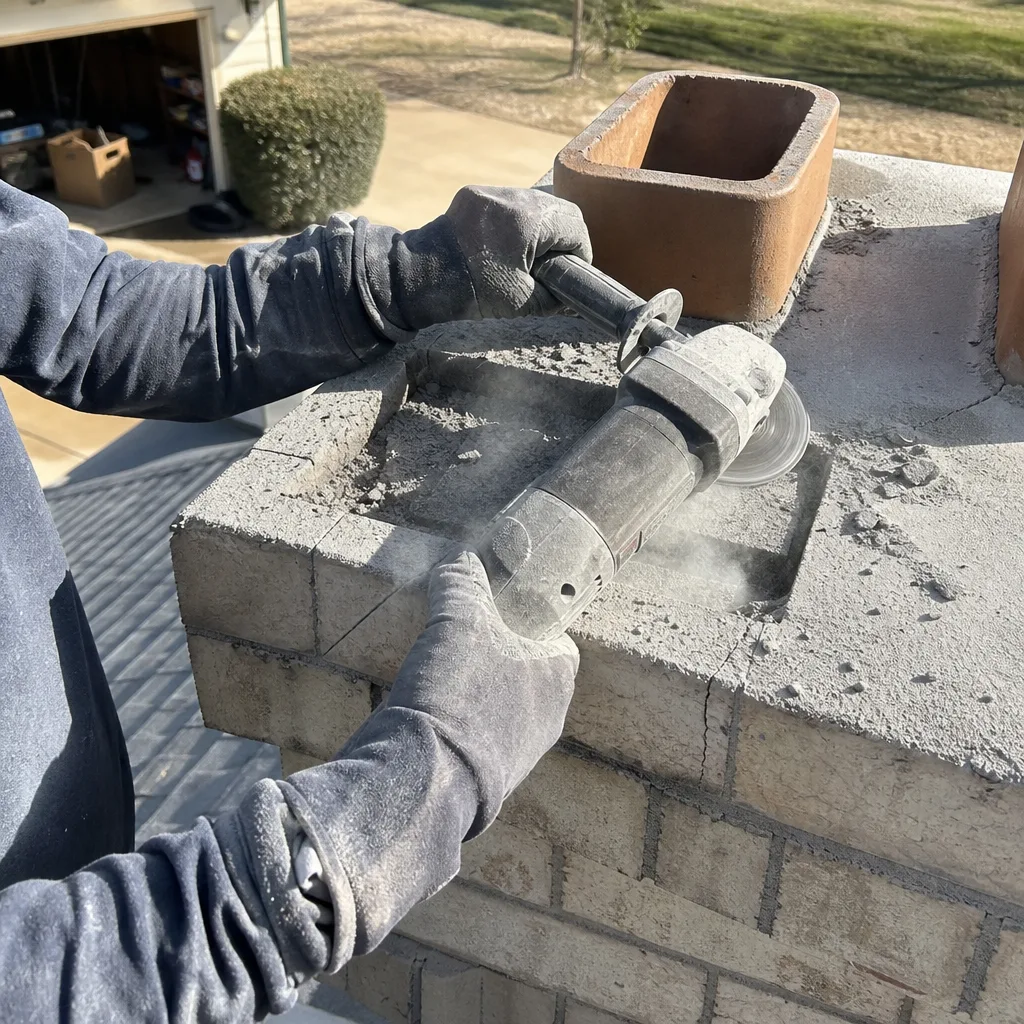
Specific pricing matters. Here’s what Dallas homeowners should expect for seasonal chimney services, based on our written-price practice under Haven Standard Clause 1. For a detailed breakdown, see our Chimney Cleaning Cost Breakdown: The Dallas Homeowner’s Reference for 2026:
| Service | Typical Range | When to Schedule | What’s Included |
|---|---|---|---|
| NFPA 211 Level 2 Inspection with Camera | $199-$289 | September-October | Full flue camera scan, smoke chamber inspection, firebox evaluation, written report with photos |
| Chimney Sweep (Class I Creosote) | $159-$219 | With inspection or as needed | Rotary brushing of flue, debris removal, firebox cleaning, damper cleaning and adjustment |
| Chimney Sweep (Class II Glazed Creosote) | $289-$419 | As identified in inspection | Rotary chain system, chemical pre-treatment if needed, full debris extraction |
| Crown Seal/Repair | $349-$749 | March-May or as needed | Surface prep, elastomeric sealant application or partial rebuild, documentation |
| Cap Replacement (Stainless Steel) | $249-$489 | Year-round, ideally March-May | Custom-fit cap, mesh sides, secure fastening, verification of draft |
| Damper Repair/Replacement | $189-$459 | March-May or October | Mechanism repair or top-sealing damper installation, seal verification |
| Flue Liner Repair (Spot) | $489-$1,199 | June-August preferred | Stainless repair sleeve or refractory patch, camera verification |
| Full Liner Replacement | $2,800-$5,500 | June-August strongly preferred | Complete stainless or cast-in-place liner, insulation, connections, permit, inspection |
These ranges reflect Dallas market conditions as of 2024-2025, including material costs through our Haven buying network with Olympia Chimney, DuraFlex, and other specified suppliers. Every price is delivered in writing before work begins, with line-item breakdown and no bundled mystery fees.
We also offer a Free Second Opinion on any competitor’s written estimate - bring us their scope and pricing, and we’ll review it against what we find in our own inspection. This isn’t a price-match program; it’s a verification service. We’ve found competitor estimates that underscoped necessary work, and others that recommended replacement where repair was sufficient. The written estimate you bring us is the starting point for an informed conversation, not a commodity negotiation.
Common Mistakes to Avoid
- Waiting for “chimney weather” to schedule: In Dallas, comfortable outdoor temperatures and chimney maintenance needs are inversely correlated. The pleasant October afternoon is exactly when everyone else calls. Book your September inspection during August heat.
- Accepting a flashlight inspection as sufficient: A flashlight look from the firebox reveals perhaps 15% of flue condition. The NFPA 211 Level 2 camera inspection - standard on every Level Two Chimney Dallas visit since 2009 - documents the full flue surface. Anything less is guessing.
- Ignoring the cap because “it looks fine from the driveway”: Cap mesh clogging isn’t visible from ground level. We’ve found caps in University Park completely blocked by debris that appeared intact from below. Annual verification requires ladder access or camera confirmation from above.
- Assuming gas fireplaces don’t need inspection: Gas units don’t produce creosote, but they do produce moisture and corrosive condensate. Venting systems deteriorate, valves fail, and ceramic logs degrade. Dallas’s hard water accelerates corrosion in gas valve components. A gas fireplace inspection focuses on different hazards, not absence of hazard.
- DIY creosote removal with hardware store tools: Class II and III creosote requires rotary mechanical systems and professional containment. We’ve repaired flue tiles cracked by homeowner rods and cleaned up soot contamination from improper vacuum technique. The safety risk - particularly from falling creosote chunks during brushing - isn’t worth the modest cost difference.
- Deferring crown repair until “next season”: In Dallas’s climate, a cracked crown doesn’t maintain status quo through summer. It actively funnels moisture into the chimney structure, and by October the repair has escalated from sealant to partial rebuild. March action on crown issues is almost always less expensive than October emergency work.
When to Call a Professional
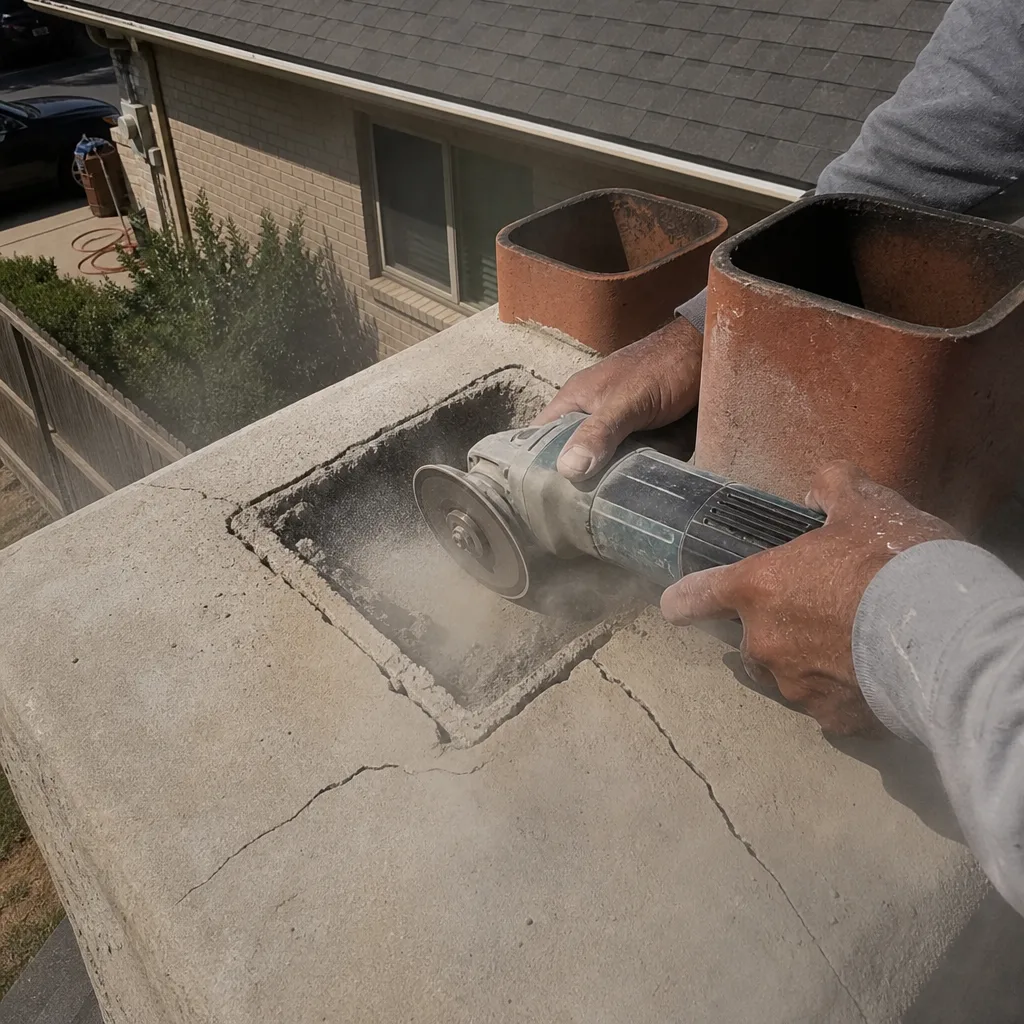
Call for professional inspection - not next month, not after the weekend - when you observe any of the following: smoke or odor entering the living space during or after a fire; visible cracks in firebox refractory panels or exterior masonry; water staining on ceilings adjacent to the chimney; a damper that won’t fully open or close; animal sounds or nesting evidence; or any fireplace installation, modification, or chimney fire event, even if self-extinguished.
Call before the first fire of the season if you haven’t had an NFPA 211 Level 2 inspection within 12 months, if you’ve purchased the home within that period, or if the previous owner cannot produce documented inspection records. Chimney Cleaning Permits, Codes & Inspections in TX: What You Need to Know covers the regulatory requirements in detail. In Dallas’s active real estate market, we frequently inspect homes where the “clean inspection” from closing was a visual walk-around, not a camera evaluation.
Level Two Chimney Dallas offers free estimates in Dallas - call (972) 284-1392. Our live phone support runs 24 hours a day, 7 days a week. We’ll schedule your inspection, assign a named technician, and text you when they’re en route with license verification and ETA.
Frequently Asked Questions
A standard chimney sweep in Dallas typically runs $159-$219 for Class I brushable creosote, and $289-$419 for Class II glazed deposits requiring rotary chain equipment. Every sweep includes the Level 2 camera inspection as standard - we don’t separate these services because inspecting without cleaning (or cleaning without inspecting) misses half the picture. Call (972) 284-1392 for an exact quote; estimates are free and delivered in writing before any work begins.
The NFPA 211 standard calls for annual inspection, with cleaning frequency determined by use and fuel. For typical Dallas homeowners burning seasoned hardwood 1-2 times weekly during the 90-day burn season, annual sweeping is usually sufficient. Heavy users (3+ fires weekly), those burning pine or unseasoned wood, or homes with older unlined chimneys may need mid-season cleaning. We document creosote accumulation rates during your inspection and recommend the next service interval based on measured data, not calendar assumption.
Not necessarily. Liner replacement is indicated when inspection reveals cracked or spalled clay tiles, gaps at tile joints, or deterioration of a metal liner to the point of draft compromise or safety hazard. We show you the camera footage and explain what we found in plain terms: “This crack runs three feet and allows combustion gases into the chimney structure” versus “This surface staining is cosmetic and stable.” Some conditions require immediate replacement; others can be monitored annually. Nothing is recommended without camera evidence you can see for yourself, and we’ll clearly state when work can safely wait.
The progressive consequences are specific and documented across our 38,000+ inspections. Year one without inspection: undetected creosote accumulation reaches hazardous thickness. Year two: moisture infiltration through minor crown cracks begins mortar degradation. Year three: combined creosote and structural deterioration creates chimney fire risk, carbon monoxide spillage potential, and repair costs that typically exceed three years of preventive maintenance. In Dallas’s compressed burn season, this progression accelerates because heavy use concentrates in fewer days.
You can and should perform the ground-level and firebox checks we described in our October protocol. For additional guidance, explore more guides & resources on our blog. What you cannot do safely or effectively is evaluate the full flue interior, smoke chamber, and liner condition. Flue inspection requires specialized camera equipment, ladder access, and training to interpret what the camera reveals. We’ve trained for years to distinguish active cracking from historical damage, and moisture staining from active leakage. The homeowner’s role is observation and prompt professional referral; the professional’s role is diagnosis and documented recommendation.
Dallas’s extended heat season, clay soil foundation movement, compressed burn season, and spring hail/wind pattern create a distinct stress profile. Our chimneys endure more thermal cycling per fire (rapid heating from ambient 70°F to flue temperatures exceeding 500°F), more foundation-induced structural movement, and more moisture/hail exposure than steady-cold climates. The maintenance calendar that works for Minneapolis or Boston fails here because it doesn’t account for six months of uncapped flue exposure or the specific damage modes of our storm season.
The Bottom Line
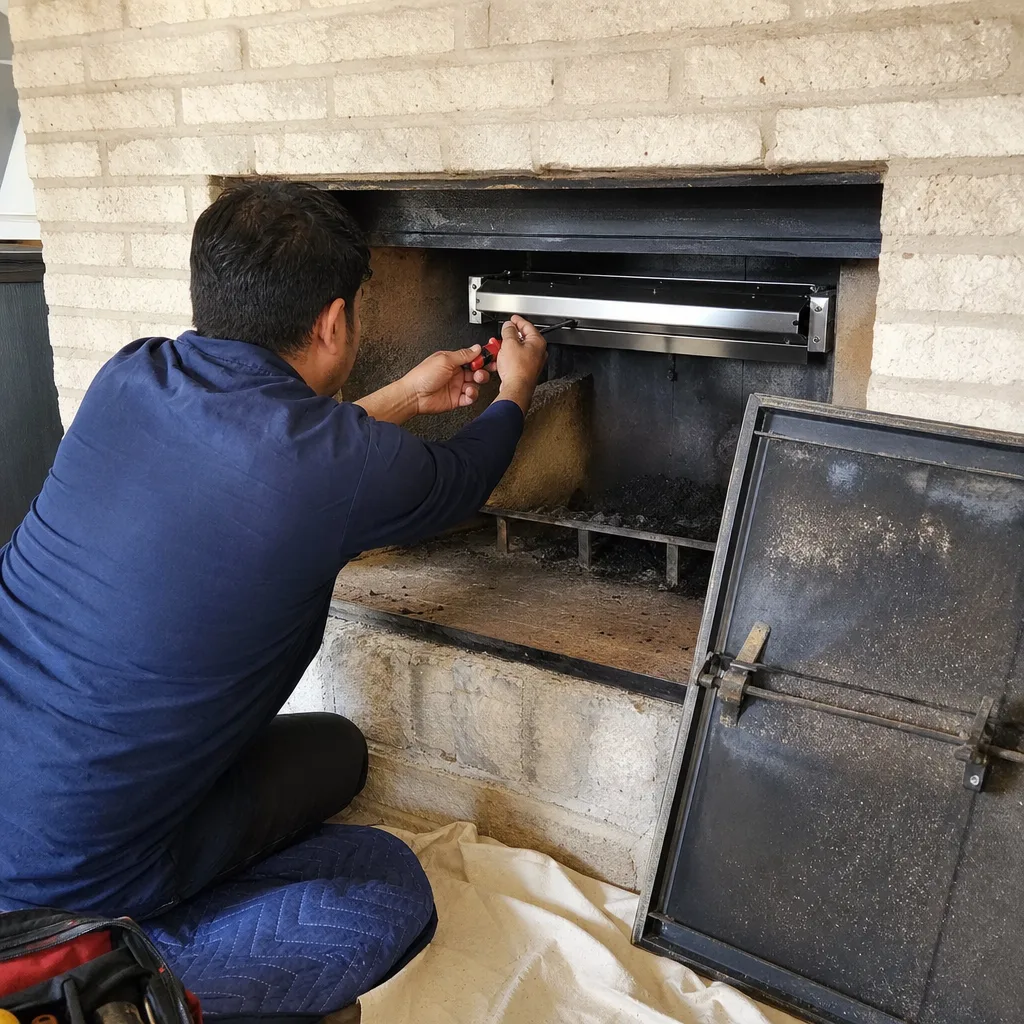
Dallas chimney care isn’t about four equal seasons - it’s about two critical action windows and two monitoring periods where strategic inaction becomes expensive. Schedule your NFPA 211 Level 2 inspection and sweep in early September, before the October rush. Complete post-season cap, crown, and damper work in March, before spring storms and summer moisture take their toll. Use June through August for masonry repairs and liner work when scheduling is flexible and materials cure optimally. And never accept inspection without documentation: photos, written scope, written price, written warranty. That’s been Clause 4 of the Haven Standard since 2009, and it’s the practice that separates predictable maintenance from emergency repair.
Ready to schedule your seasonal chimney care? Call Level Two Chimney Dallas at (972) 284-1392 for your free estimate. We’ll deliver a written price before any work starts, back every job with our 365-Day Done Right Promise, and provide the documented photo record that lets you see exactly what we found and what we did.
Written by Corrine Halstead, Owner at Level Two Chimney Dallas, serving Dallas since 2009.