
Last updated September 22, 2026
Level 1 sweep and inspection to the NFPA 211 annual standard - flue, crown, cap, and flashing checked and photographed
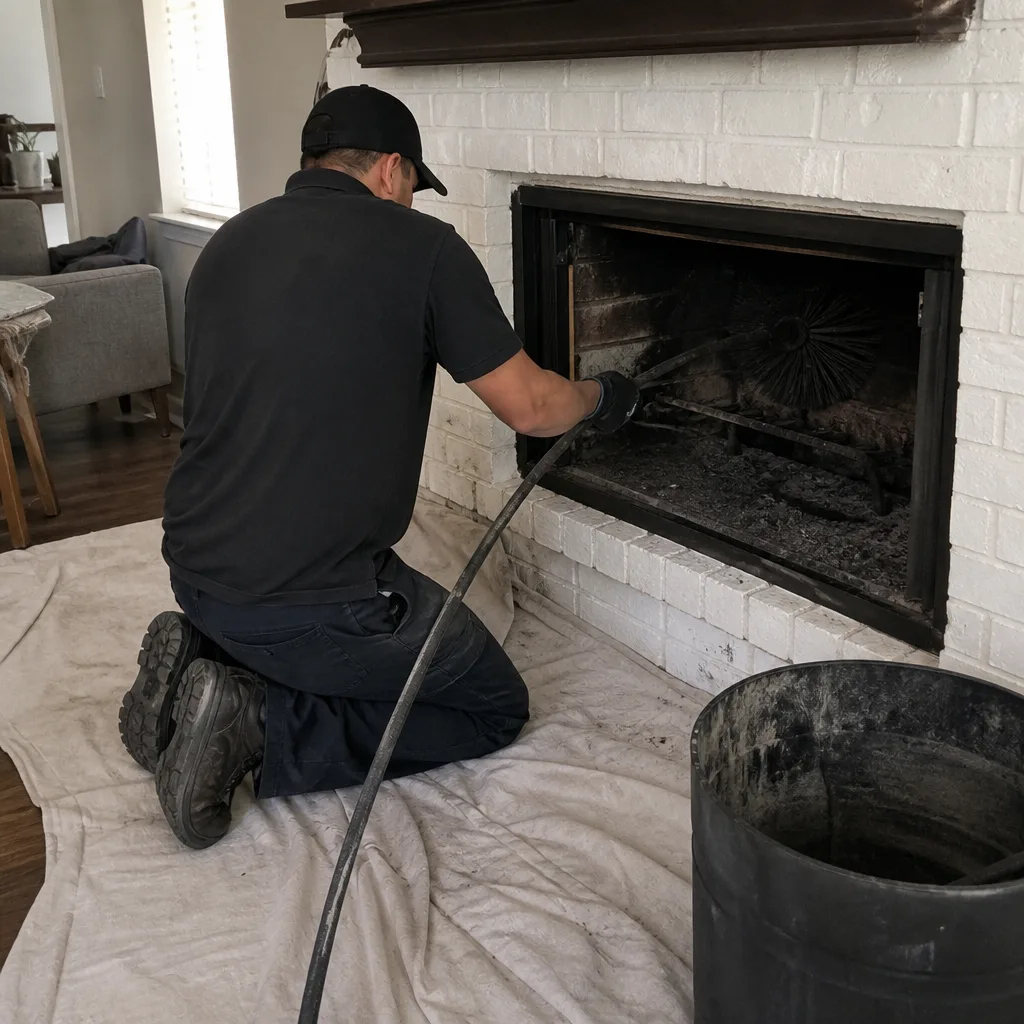
Chimney sweep logs do not sweep chimneys. They loosen some creosote - which then falls where a brush and vacuum still have to collect it.
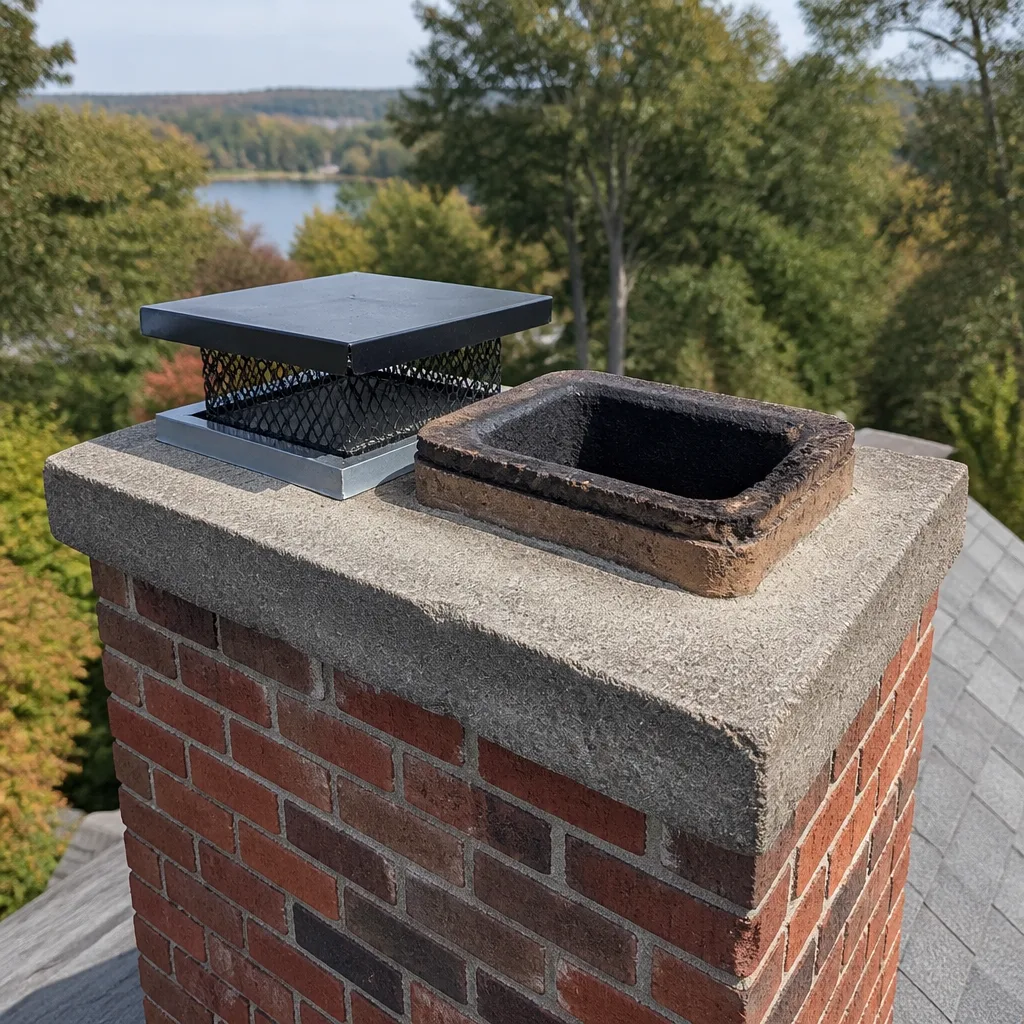
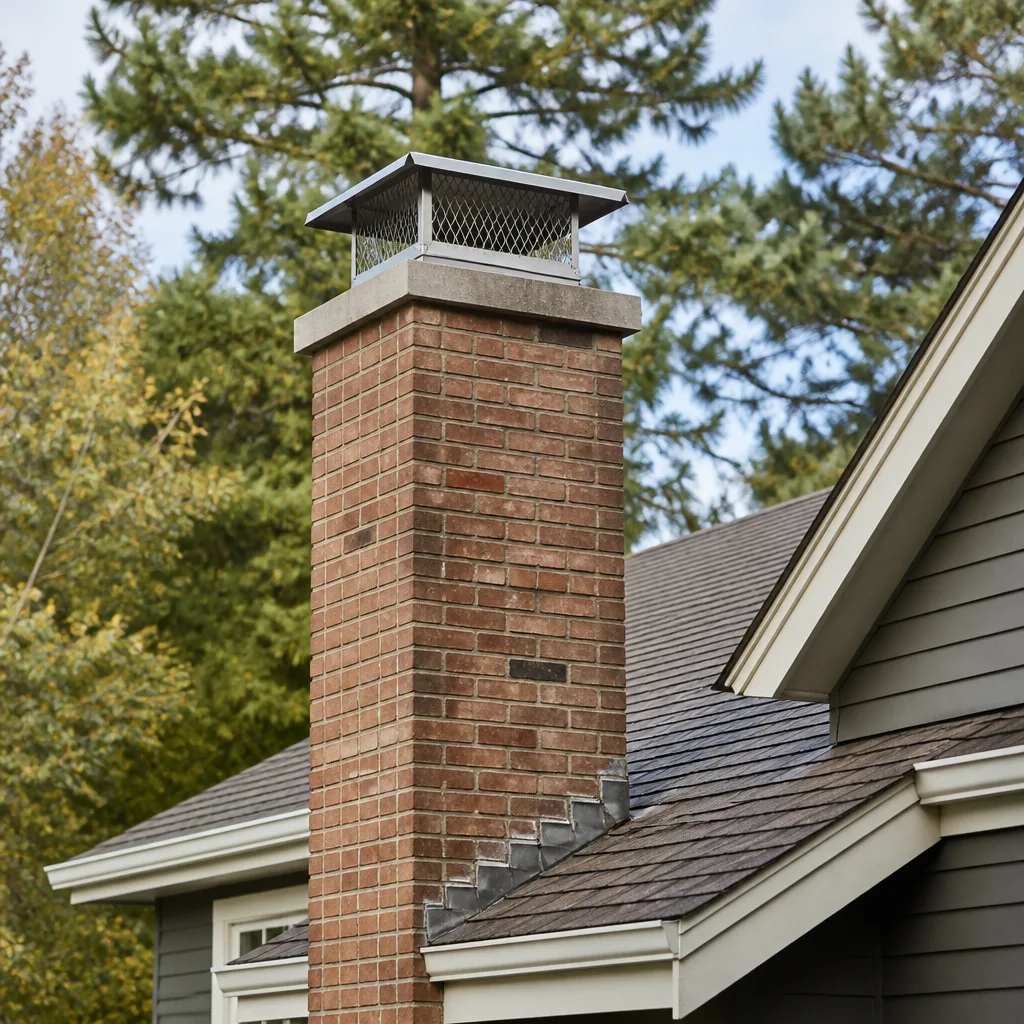
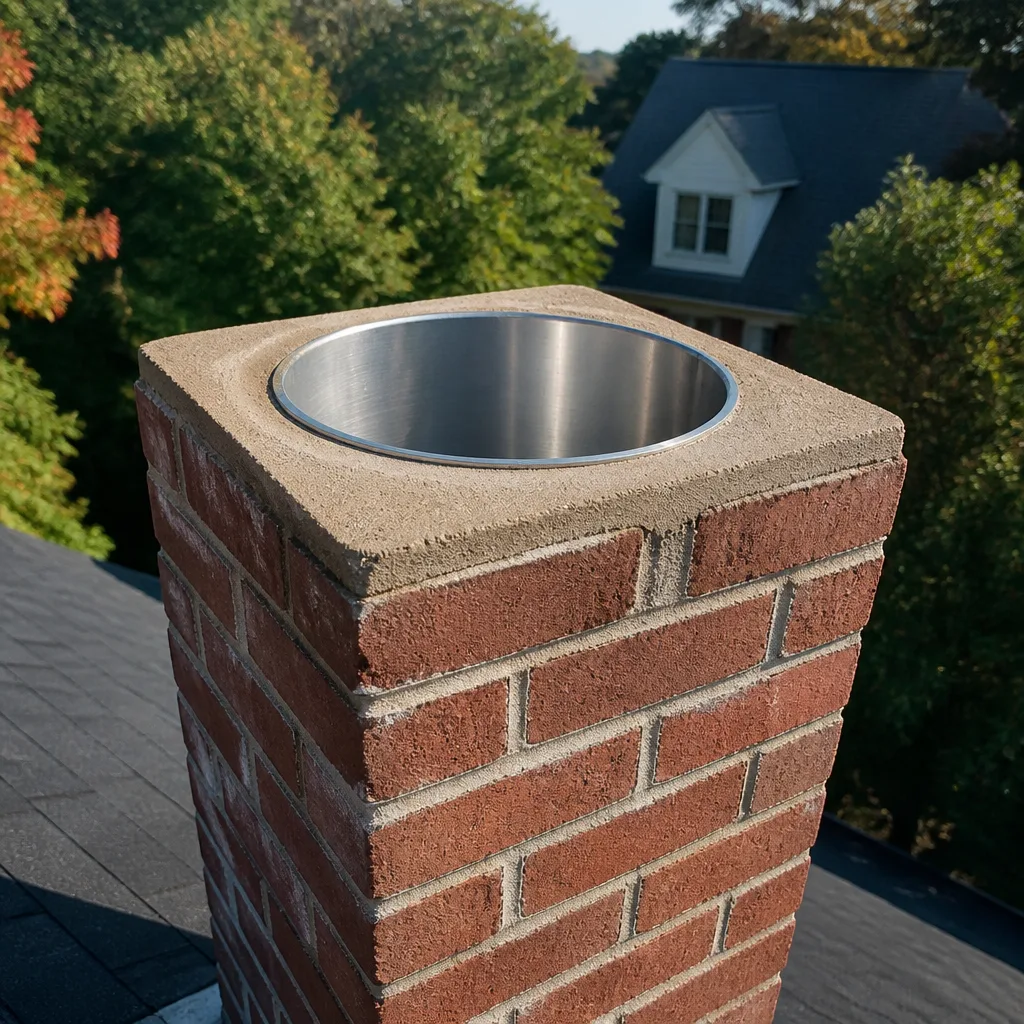
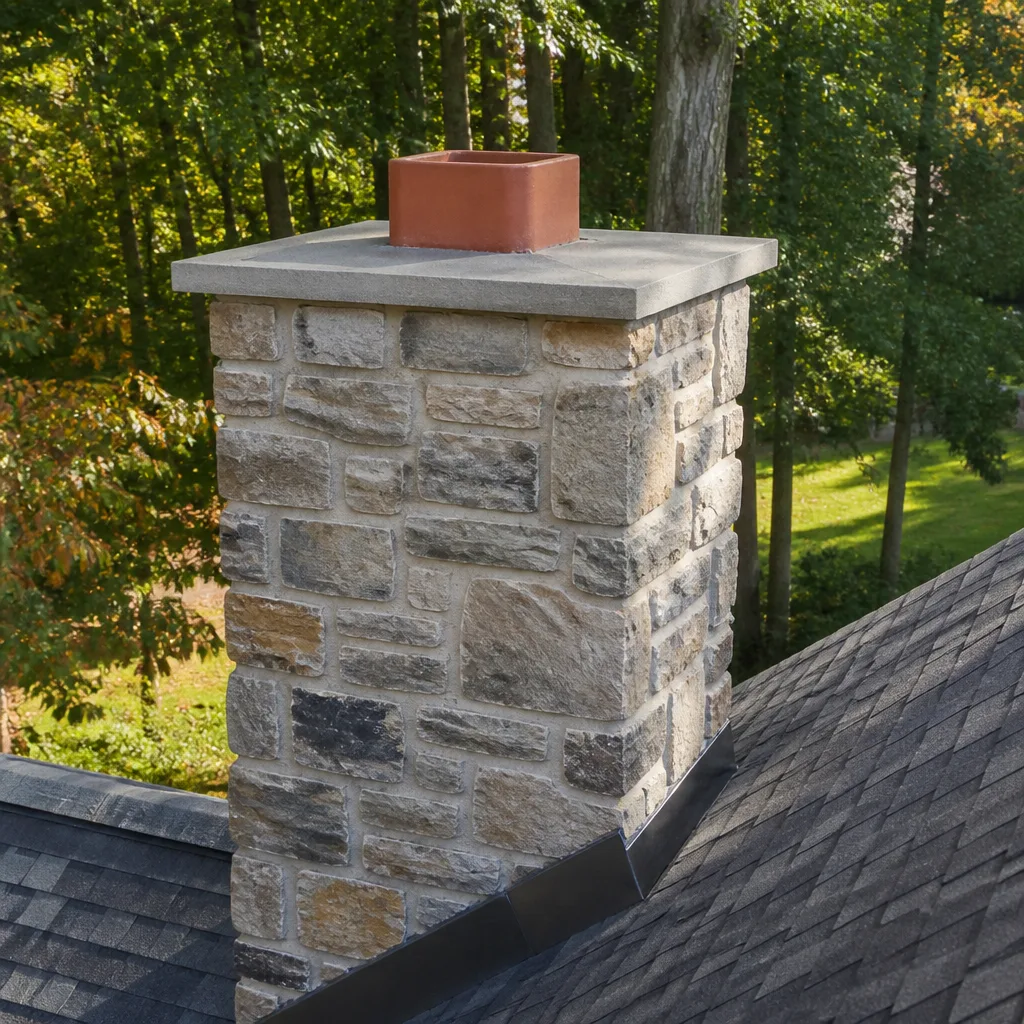
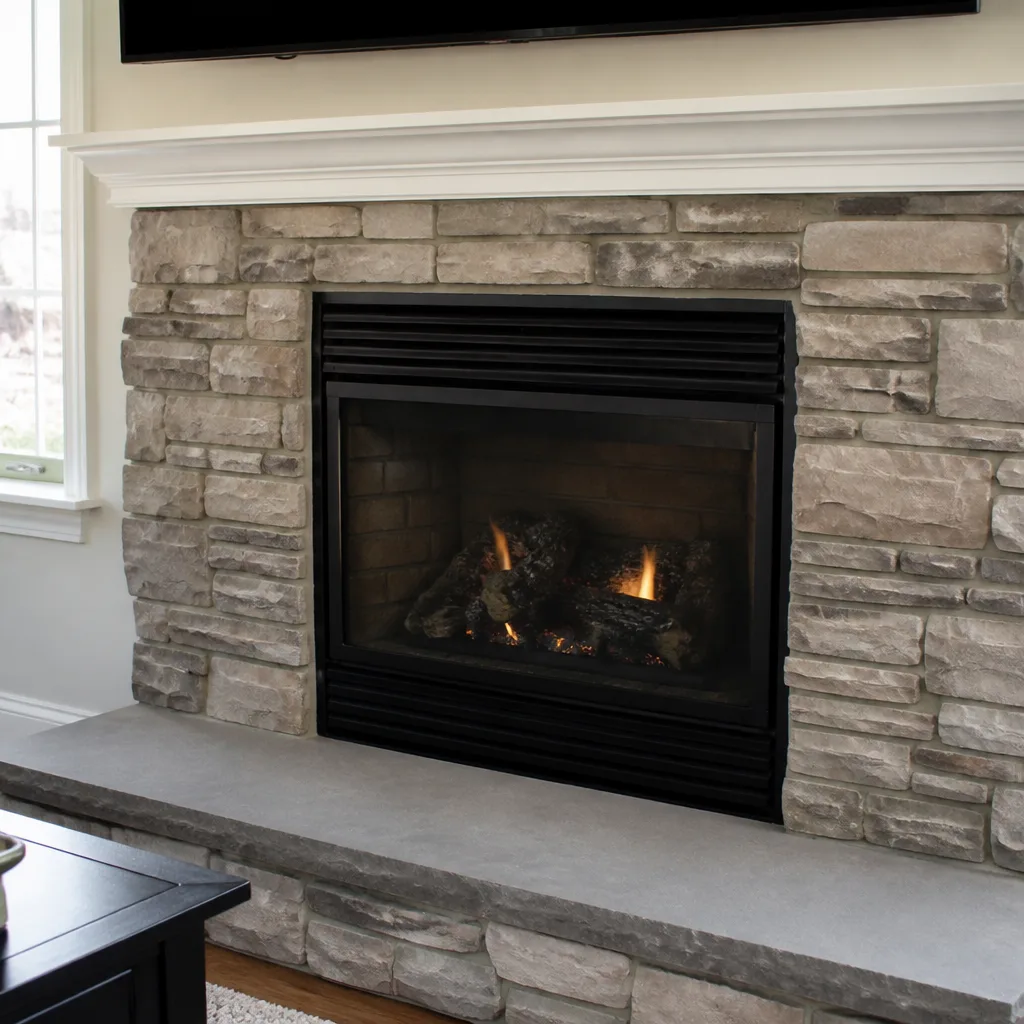
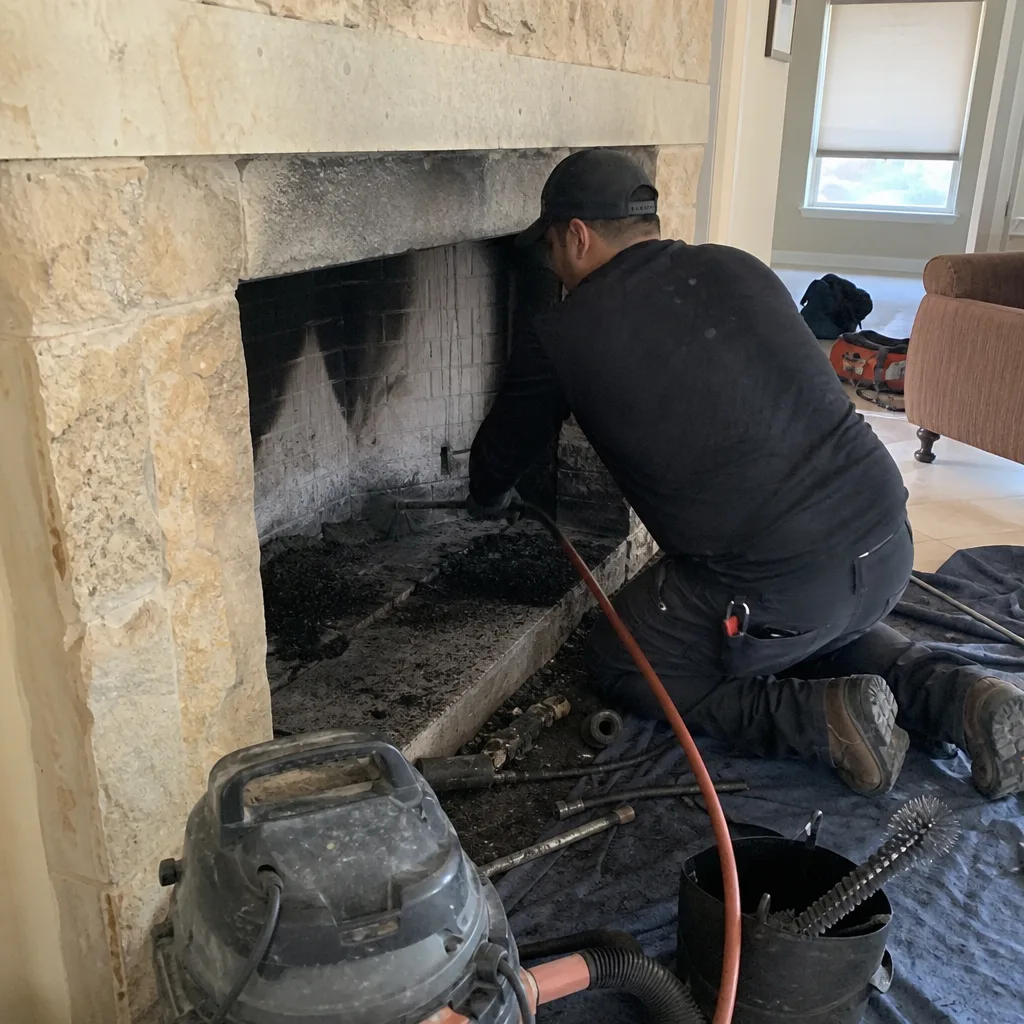 Before
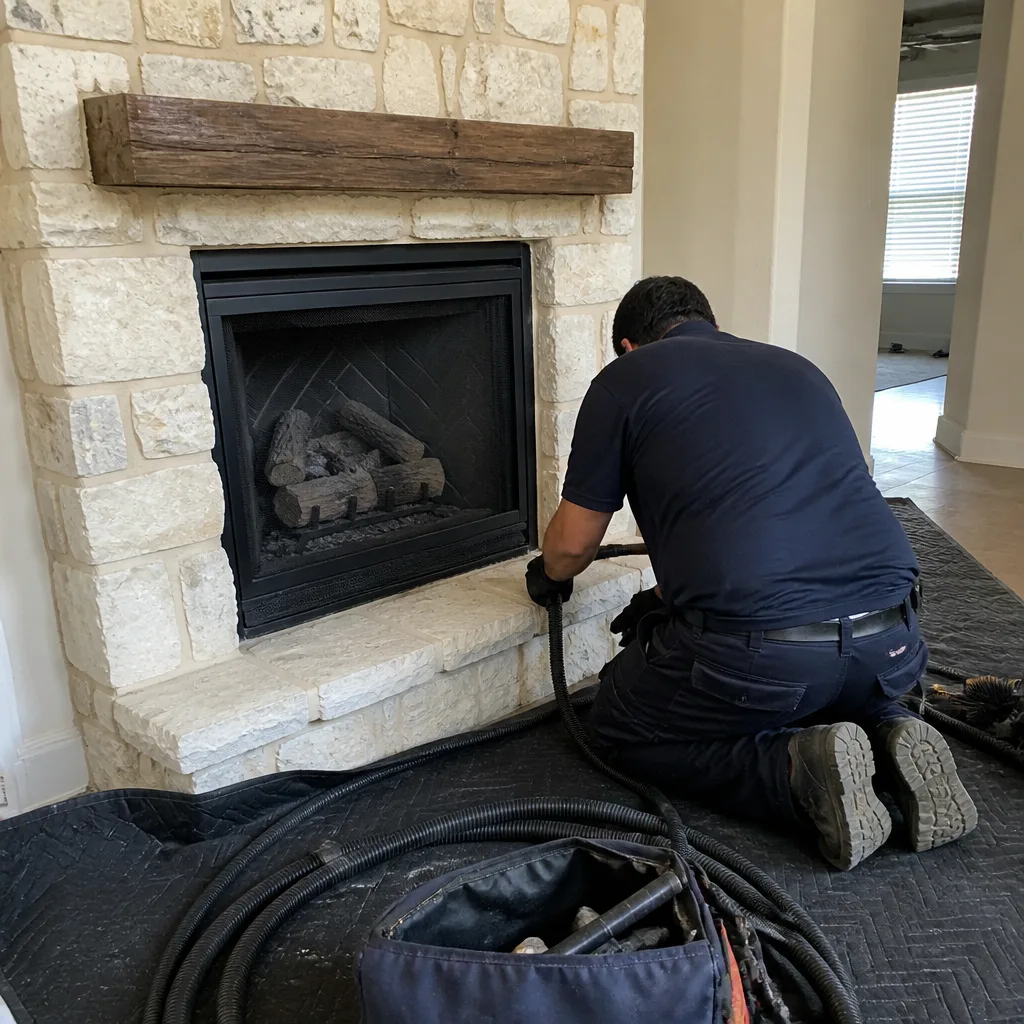 After
After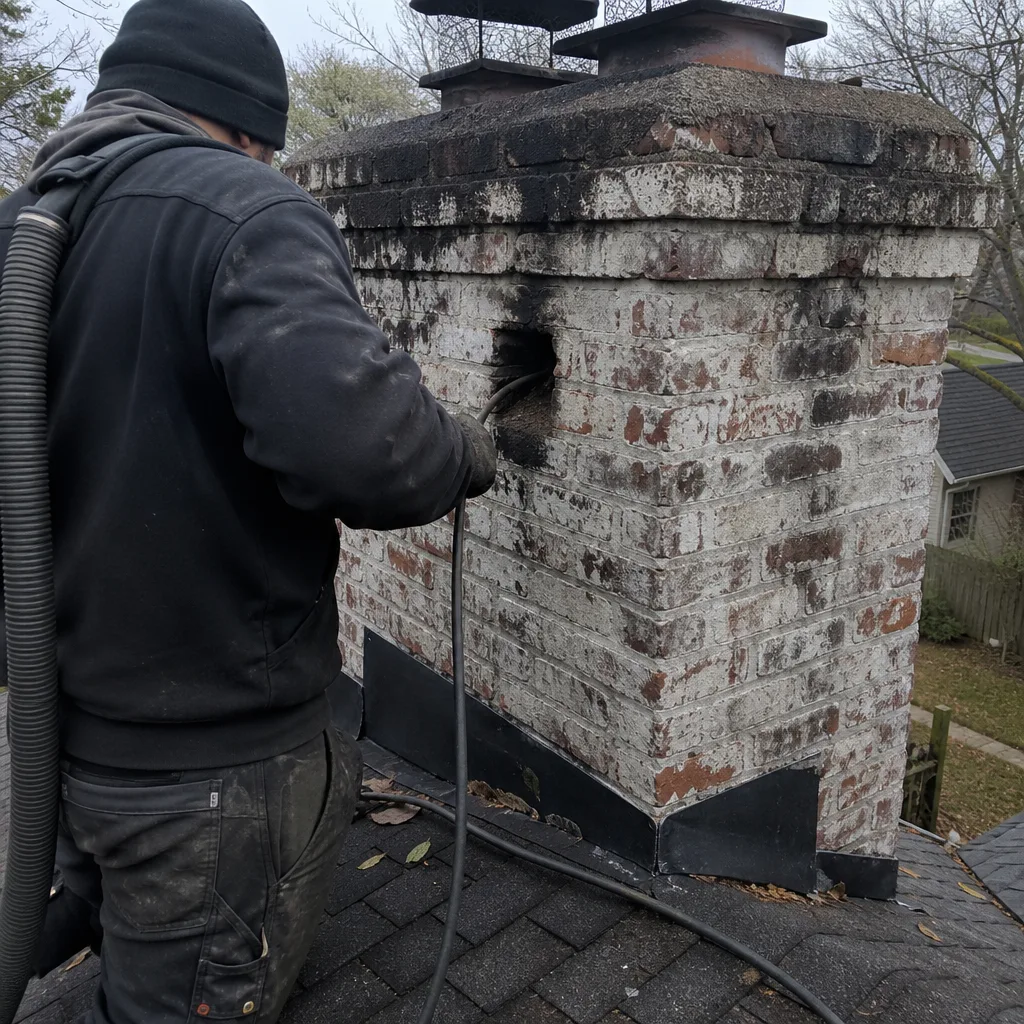 Before
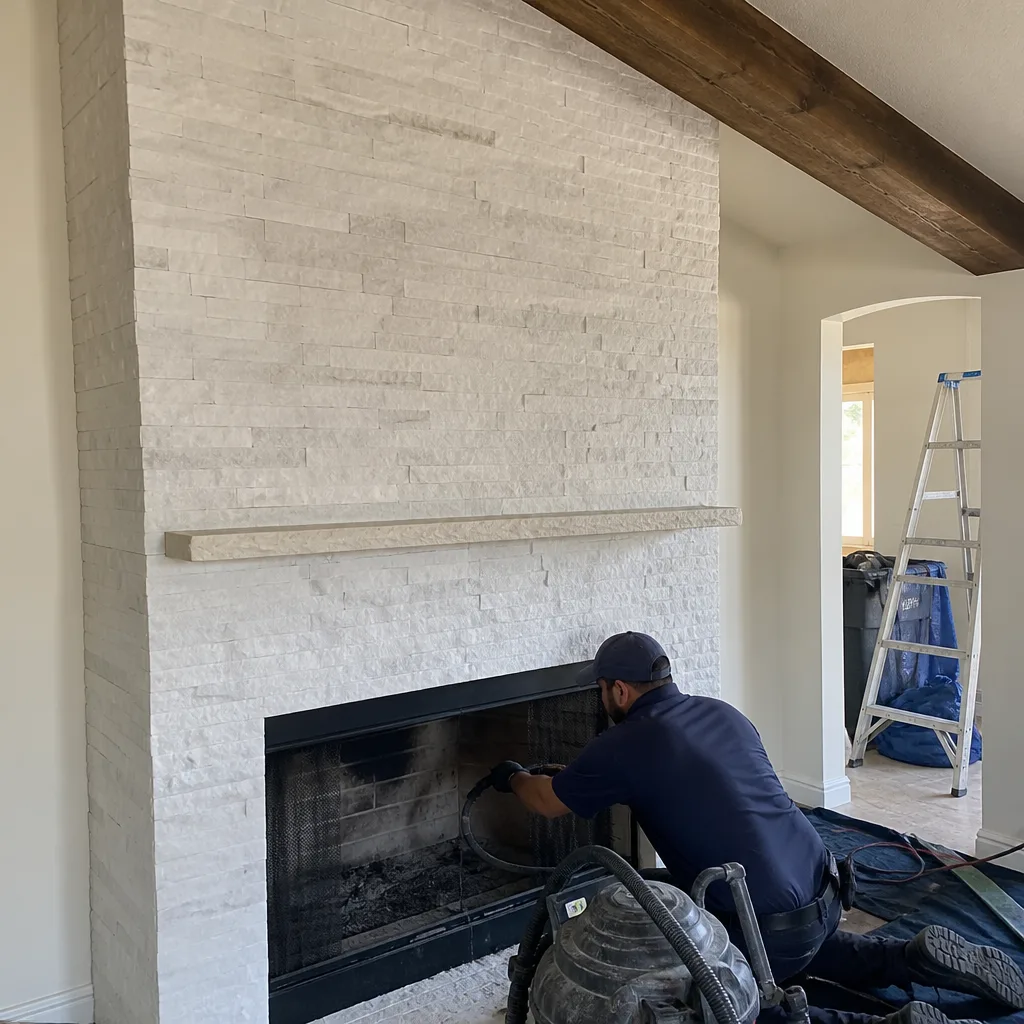 After
After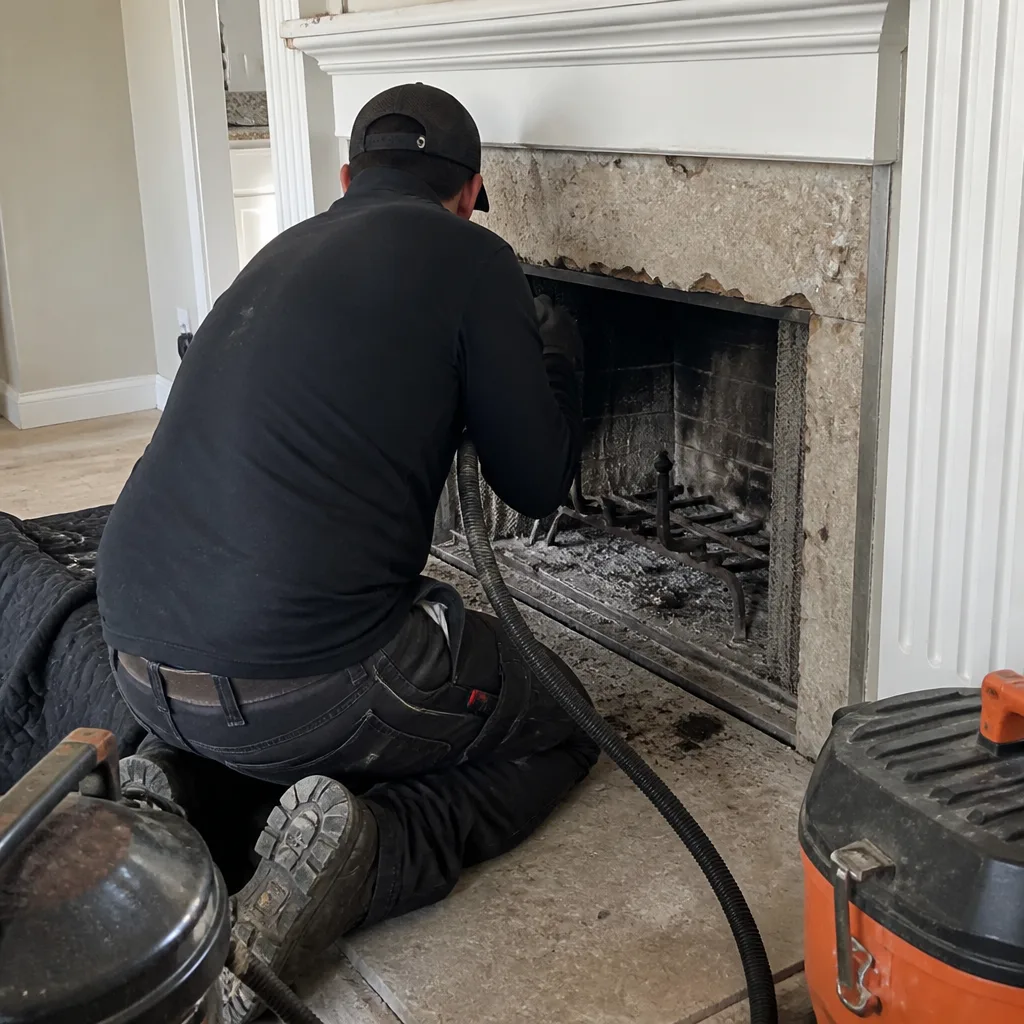 Before
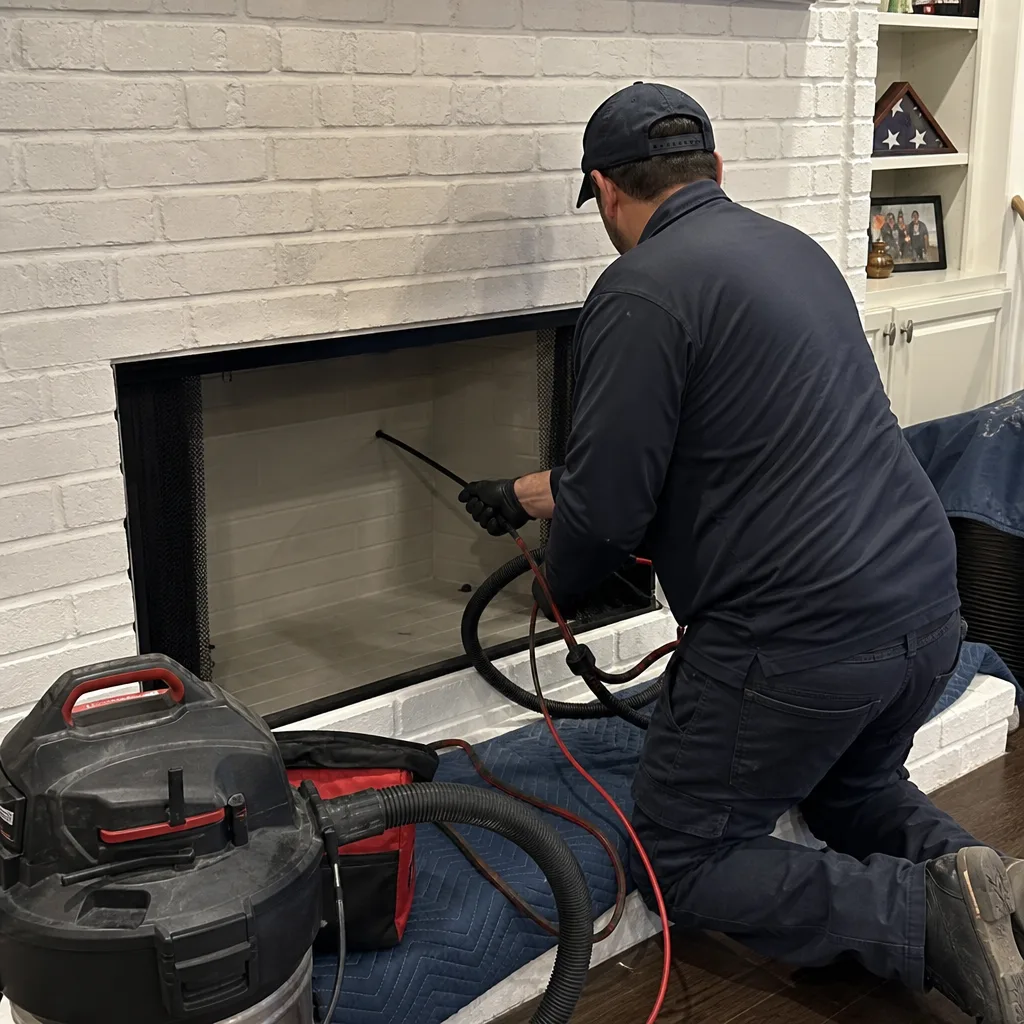 After
AfterChimney Cleaning Permits, Codes & Inspections in TX: What You Need to Know
Here’s the distinction that costs Dallas homeowners thousands: a chimney sweep doesn’t need a permit, but the repair that sweep reveals almost always does. We’ve arrived at jobs in Lakewood and Oak Cliff where relining work was already underway - no permit pulled, no inspection scheduled - and the homeowner had no idea they’d bought a problem that won’t clear at closing. Since 2009, we’ve documented more than 38,000 chimney systems across Dallas, and the permit gap is the single most expensive surprise we see. This guide - alongside our Complete Guide to Chimney Cleaning in Dallas - explains which chimney tasks trigger Dallas permitting, how to read your home’s permit history before you buy, and why NFPA 211 Level 2 inspection documentation matters more than the city sticker for your actual safety.
Quick Answer
Chimney cleaning and routine sweeping do not require a building permit in Dallas. However, structural repairs - including flue liner replacement, firebox rebuilds, new chase construction, and masonry above the roofline - must be permitted through Dallas Building Inspection. A permit ensures the work appears in your home’s official record, protects your insurance coverage, and triggers a municipal inspection that verifies code compliance. For homeowners, the critical step is ordering a Chimney Cleaning & Sweep in Dallas that includes NFPA 211 Level 2 camera documentation, which identifies the damage that determines whether permitting is required.
Table of Contents
- Which Chimney Tasks Require a Dallas Building Permit?
- NFPA 211: The Inspection Standard Insurers and Fire-Rescue Actually Use
- Level 2 Inspection vs. Permit Inspection: Why You Need Both
- How to Pull Permit History on a Dallas Property
- IRC Section R1001 and Dallas Local Amendments
- What Missing Chimney Permits Signal About Prior Work
- The Real Cost of Unpermitted Chimney Work in Dallas
- How Level Two Documents Every Job for Your Record
 Before
 After
AfterWhich Chimney Tasks Require a Dallas Building Permit?
Dallas Building Inspection divides chimney work into two categories: maintenance (no permit) and structural modification (permit required). The line is sharper than most contractors admit.
No Permit Required
- Chimney sweeping and cleaning - removal of creosote, debris, and obstructions from the flue
- Cap replacement - swapping a damaged cap for a new unit of the same dimensions
- Damper repair or replacement - throat or top-sealing damper work below the flue outlet
- Fireplace door or glass panel installation - decorative or efficiency upgrades that don’t alter firebox dimensions
- Standard inspection - NFPA 211 Level 1 or Level 2 evaluation without accompanying repair
Permit Required
- Flue liner replacement or relining - installing stainless steel, aluminum, or cast-in-place liner systems; this is classified as structural repair because it restores the chimney’s intended fire containment capacity
- Firebox rebuild or parging - any masonry work that alters the firebox dimensions, thickness, or material
- New chase construction or chase cover replacement that modifies framing - wood-framed chimney chases common in 1980s-2000s Dallas construction
- Crown reconstruction or complete replacement - when the crown is removed and re-poured, not merely sealed
- Masonry above the roofline - tuckpointing that exceeds 25% of the chimney’s surface area, or any rebuild of the top courses
- Structural support modifications - adding or replacing a cricket (the peaked diversion behind chimneys on sloped roofs), which Dallas amends more strictly than state code due to wind uplift concerns
The relining permit catches the most homeowners. A cracked terracotta liner in a 1960s Ranch-style home in Richardson or Garland seems like maintenance. Dallas Building Inspection treats it as structural restoration. The permit application requires engineered drawings for the liner system - DuraFlex and Olympia Chimney both provide specification sheets that satisfy this - and a post-installation inspection that verifies proper sizing and connection.
We’ve seen unpermitted relining work in Preston Hollow where the stainless liner was correctly sized but improperly terminated. No permit meant no inspection. No inspection meant the defect wasn’t caught until our Level 2 camera scan found condensation damage to the surrounding masonry three years later. The original contractor was long gone. The homeowner paid twice.
NFPA 211: The Inspection Standard Insurers and Fire-Rescue Actually Use
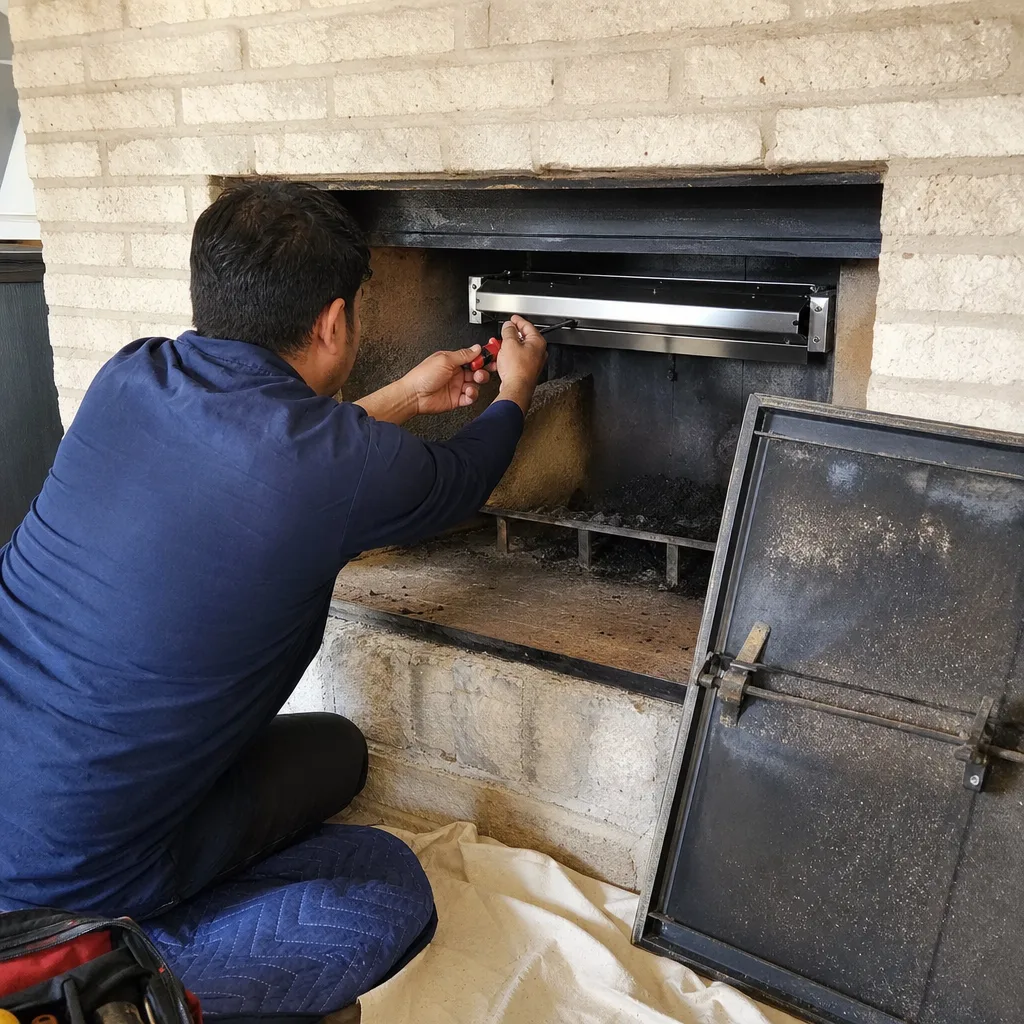
Texas does not adopt NFPA 211 (National Fire Protection Association Standard for Chimneys, Fireplaces, Vents, and Solid Fuel-Burning Appliances) as state law. Dallas Fire-Rescue references it in fire investigation reports. Homeowner insurance policies cite it in coverage disputes. And every real estate attorney we’ve worked with in Dallas County treats NFPA 211 Level 2 documentation as the minimum defensible inspection record.
The standard defines three inspection levels:
- Level 1 - Visual examination of readily accessible portions of the chimney exterior and interior, without specialized tools. Appropriate for annual maintenance when no changes have been made to the system.
- Level 2 - Internal camera scan of the flue liner, examination of accessible attics and crawl spaces, and evaluation of clearances to combustibles. Required upon sale or transfer of property, after chimney fire or seismic event, or when any change is made to the system. This is the inspection we perform on every Chimney Cleaning & Sweep in Dallas - not as an upgrade, but as standard practice since 2009.
- Level 3 - Destructive examination involving removal of building materials to access concealed portions. Reserved for suspected serious hazards where Level 2 evidence is inconclusive.
Here’s where NFPA 211 and Dallas permitting intersect: a municipal permit inspection verifies that work was done to code. It does not verify the condition of the existing system. A Dallas building inspector will confirm that your new stainless liner is listed to UL 1777 and properly connected. They will not scan the flue above the liner to check for residual creosote, evaluate the smoke chamber for proper parging, or document crown deterioration. That requires NFPA 211 Level 2 inspection - separate process, separate documentation, equally necessary.
In our experience with Dallas-area insurance claims, carriers increasingly deny chimney fire coverage when the homeowner cannot produce Level 2 documentation showing the system’s pre-loss condition. The permit inspection sticker proves compliance. The camera scan proves maintenance. You need both files.
Level 2 Inspection vs. Permit Inspection: Why You Need Both
Homeowners routinely conflate these. A permit inspection is a compliance checkpoint. A Level 2 inspection is a condition assessment. They answer different questions, serve different stakeholders, and produce different documentation.
| Factor | NFPA 211 Level 2 Inspection | Dallas Permit Inspection |
|---|---|---|
| Who performs it | Certified chimney professional with camera equipment | Dallas Building Inspection licensed inspector |
| What it evaluates | Flue liner integrity, creosote classification, clearance to combustibles, smoke chamber condition, crown and cap status | Code compliance of new or modified work: proper materials, correct sizing, structural anchoring, clearance verification |
| Documentation provided | Written report with photo/video record of flue interior, measurements, and recommendations | Approved permit card, inspection sign-offs, certificate of completion |
| When it’s required | Annually for solid fuel; at property transfer; after chimney fire or seismic event; before any repair estimate | Before starting structural chimney work; after completion before concealment |
| Real estate relevance | Discloses condition to buyers; supports negotiation; satisfies diligent inspection clauses | Verifies work was legal; appears in municipal records; required for title clearance on permitted work |
The real estate angle matters particularly in Dallas’s competitive market. Buyers in neighborhoods like Bishop Arts, Lower Greenville, and the M Streets are routinely waiving inspection contingencies - but not title contingencies. Unpermitted chimney work discovered during title search becomes a closing delay or a renegotiation point. We’ve provided Level 2 documentation for sellers who needed to prove their 2017 liner replacement was properly permitted, and we’ve found unpermitted crown rebuilds that forced $4,000 escrow holds.
Clause 4 of the Haven Standard requires our photo record on every job. That archive - currently exceeding 38,000 chimney systems - has resolved more permit disputes than we can count. When a Dallas inspector questions whether existing work was done correctly, we can often produce dated imagery showing the pre-repair condition and the post-repair result, with measurements.
How to Pull Permit History on a Dallas Property
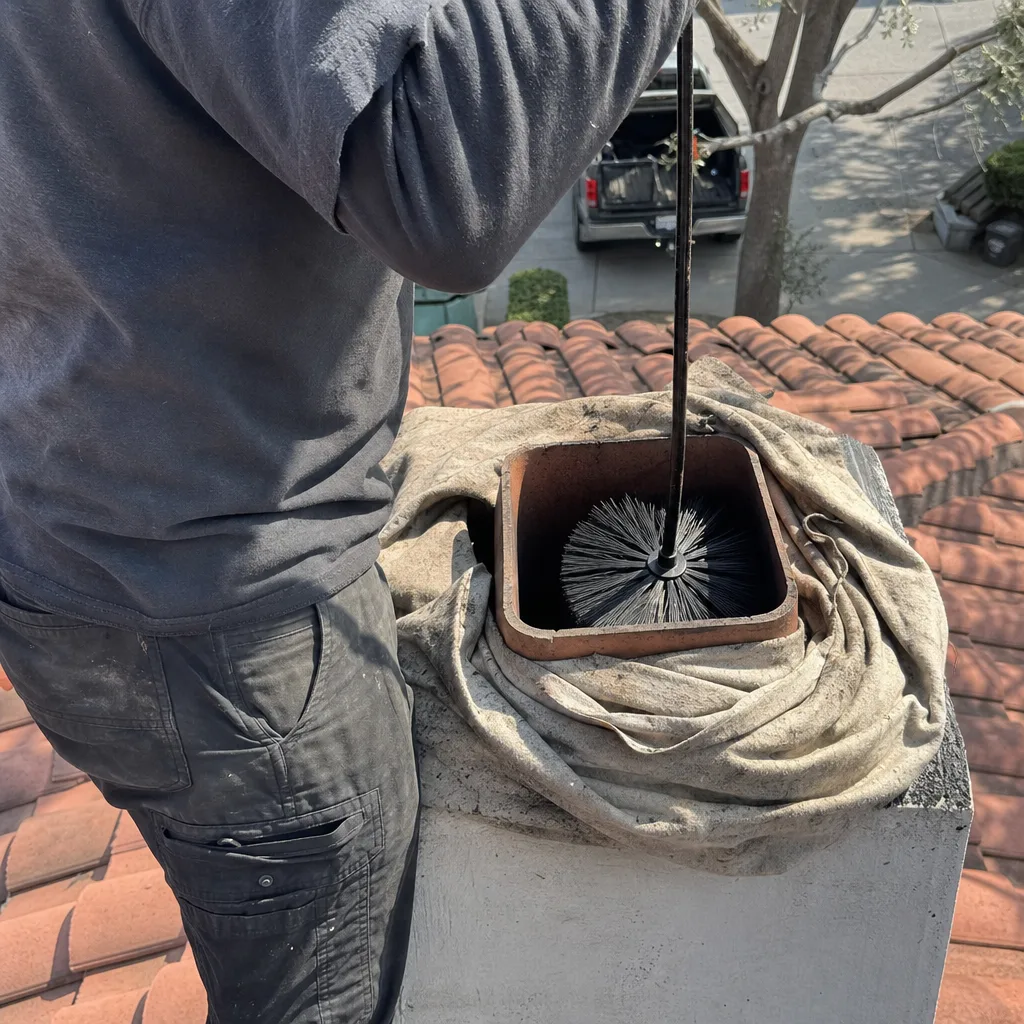
Dallas maintains permit records through two systems: the Dallas Building Inspection online portal (active permits and inspections from approximately 2000 forward) and microfilm archives at the Oak Cliff Municipal Center for older work. Here’s how to access your property’s history before you buy, bid, or begin repairs.
- Locate your property’s PID (Property Identification Number) - found on the Dallas Central Appraisal District website or your property tax statement. The PID format is typically R-XXXXX or a numeric string for commercial properties.
- Search the Dallas Building Inspection portal at dallascityhall.com. Use the “Permit Search” function with your address or PID. Results show permit number, type, issue date, contractor, and inspection status.
- Request a full permit printout for any property you’re considering purchasing. This costs $15-$25 and includes all permits issued, not just active ones. Ask specifically for “Mechanical, Plumbing, and Building permits” - chimney work appears under Building.
- Review for chimney-specific permits - look for permit types labeled “Chimney Repair,” “Fireplace Alteration,” “Masonry Repair,” or “Mechanical” (for liner work in some classification periods). Note the contractor name and cross-reference with your Chimney Repair in Dallas research.
- Verify final inspection status - a permit without a final inspection is functionally worthless. It means work was started but not verified complete. This is common in distressed sales and estate properties in East Dallas and Pleasant Grove.
- Check for open violations - the same portal lists code violations. An unpermitted chimney modification may appear here if a neighbor complaint or subsequent work triggered inspection.
For properties built before 1990, the online gap is real. We’ve researched homes in Kessler Park and Junius Heights where the original fireplace construction predates digital records. In these cases, the Dallas Municipal Archives at 1002 W. Commerce Street maintains microfilm of original building plans and permits. Plan on half a day and a $10 retrieval fee. The original plans show whether the fireplace was built to IRC standards current at that time - critical information when evaluating whether aging masonry meets modern clearance requirements.
A missing permit history doesn’t automatically mean unpermitted work. It may mean no work was done. But a permit history with gaps - say, a 2015 roofing permit but no corresponding chimney cap work when the cap was clearly replaced - suggests either unpermitted chimney work or a contractor who bundled the job under another trade to avoid inspection. Both warrant closer examination.
IRC Section R1001 and Dallas Local Amendments
The International Residential Code Section R1001 governs masonry fireplace and chimney construction. Texas adopts the IRC with state amendments; Dallas amends further. The result is a layered code environment where “standard” construction may not meet local requirements.
Key IRC R1001 provisions relevant to Dallas homeowners:
- R1001.1 - Scope: Applies to masonry fireplaces and chimneys, including factory-built fireplaces installed in masonry enclosures. Does not apply to factory-built metal chimneys, which fall under UL 103 testing standards.
- R1001.7 - Lining: Masonry chimneys shall be lined. The liner must be compatible with the appliance connected. This is where terracotta, stainless steel (DuraFlex, Olympia Chimney), and cast-in-place systems (HeatShield) enter compliance.
- R1001.11 - Wall thickness: Masonry chimney walls must be minimum 4 inches thick, plus 5/8-inch firebrick where exposed to fire. Many 1940s-1960s Dallas homes were built with 3.5-inch walls - technically non-compliant today, though grandfathered if unaltered.
- R1001.16 - Clearance to combustibles: Minimum 2 inches from chimney exterior to wood framing. Dallas amends this to require 4 inches in certain wind zones, which covers most of the city west of Central Expressway.
Dallas’s local amendments add several chimney-specific requirements:
- Wind resistance: Chimney caps and chase covers must withstand 90 mph sustained winds per Dallas Amendment 1609.1.3. This eliminates many decorative cap designs sold at big-box retailers. We source caps through Famco and Copperfield specifically for their Dallas wind-load ratings.
- Seismic anchoring: Dallas requires additional strapping for chimneys exceeding 40 inches in width at the roofline, a common dimension in 1970s ranch homes with see-through fireplaces.
- Cricket requirements: Any chimney on a roof slope exceeding 6:12 must have a cricket (saddle) behind it. Dallas enforces this more strictly than surrounding suburbs; we’ve seen failed inspections in Lakewood and Highland Park for missing crickets on 8:12 pitches where Garland or Richardson would have passed the same configuration.
The grandfathering question arises constantly. A 1955 home in Stevens Park Village with original construction doesn’t need to meet 2024 IRC. But any modification - relining, crown replacement, firebox repair - triggers current code for the modified component. We’ve had homeowners ask why their new stainless liner requires a 6-inch clearance when the old terracotta had 2 inches. The answer: the modification, not the original construction, determines applicable code.
HeatShield and similar cast-in-place liner systems occupy a regulatory middle ground. They’re classified as “repair” in some jurisdictions, “replacement” in others. Dallas Building Inspection typically treats full HeatShield applications as liner replacement requiring permit. Partial resurfacing (smoke chamber parging, crown repair) may not, depending on the area affected. We always confirm classification before quoting - it’s why our written scope specifies permit status under Haven Standard Clause 1.
What Missing Chimney Permits Signal About Prior Work
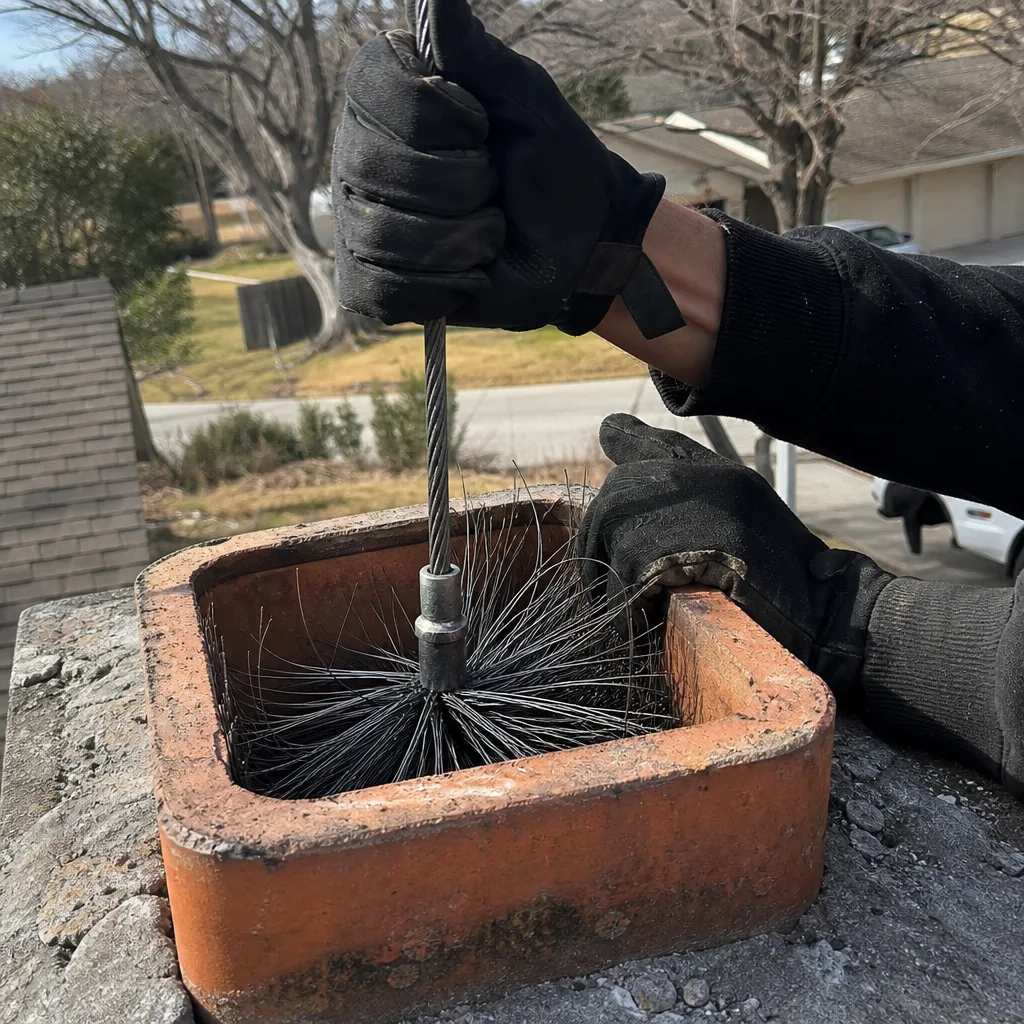
In 38,000 inspections, we’ve developed a shorthand for reading permit gaps. Not all are fraudulent. Some are merely sloppy. But the pattern matters, especially in Dallas’s older neighborhoods where chimney work spans multiple owners and decades.
Scenario 1: The Flipped House
Properties renovated between 2015 and 2022 in West Dallas, Oak Cliff, and South Dallas frequently show kitchen and bathroom permits, roofing permits, even fence permits - but no chimney documentation despite visible liner replacement or crown work. This usually means the flipper used a general contractor who subbed chimney work to an unlicensed sweep, or the GC pulled a blanket “repair” permit that didn’t specifically cover the chimney. The work may be adequate. It has no verified compliance record. We treat these as priority Level 2 inspections.
Scenario 2: The Estate Sale
Original owner, decades of deferred maintenance, sudden sale. Adult children often hire the cheapest available service to “make it look okay.” We’ve found spray-painted terracotta liners (to hide cracks), concrete crowns poured over rotting wood forms, and caps screwed into crumbling brick with drywall anchors. No permits, no contractor traceable, no recourse. The Fireplace Services in Dallas page details our approach to these evaluations.
Scenario 3: The “Chimney Guy” Special
A truck with magnetic signs, cash payment, no written contract. Common in pre-2010 work across Dallas County. These operators often did functional work but kept no records. The absence of permits combines with absence of warranty, absence of insurance verification, and absence of any future contact. When their liner fails in year eight, you’re starting over.
Scenario 4: Legitimate Maintenance
Cap replacement, damper adjustment, routine sweeping - correctly performed per our Chimney Cleaning & Sweep Maintenance Checklist for Dallas Homeowners - require no permit. The permit gap here is appropriate. The diagnostic challenge is distinguishing this from unpermitted structural work. That’s where Level 2 camera documentation becomes essential. We can date liner condition, identify factory vs. field-built components, and spot the telltale signs of professional vs. amateur installation.
Red flags in permit history that warrant professional evaluation:
- Building permit for “fireplace repair” with no corresponding mechanical or masonry permit for liner or crown work
- Permit issued to homeowner as owner-builder for work clearly requiring specialized equipment
- Final inspection date identical to issue date (impossible for legitimate work)
- Contractor name that doesn’t match any licensed entity in Texas Department of Licensing and Regulation database
- Permit for “chimney removal” with no record of proper venting replacement for gas appliances - a dangerous shortcut that creates carbon monoxide risk
The Real Cost of Unpermitted Chimney Work in Dallas
The financial exposure extends beyond redoing the work. Here’s the actual cost stack we’ve seen homeowners absorb:
| Cost Category | Typical Range | When It Applies |
|---|---|---|
| Permit and inspection fees (retroactive) | $150-$400 | When unpermitted work is discovered and must be legalized; includes plan review and multiple inspections |
| Exposed demolition for inspection access | $500-$2,000 | When finished surfaces (drywall, siding, roofing) must be removed so inspector can verify clearances and connections |
| Code upgrade triggers | $1,500-$5,000+ | When bringing modified components to current IRC/Dallas amendments requires additional work beyond original scope |
| Closing delay or renegotiation | $2,000-$10,000+ | When buyer’s lender or title company requires permit clearance; may include escrow hold or price reduction |
| Insurance claim denial | Full loss value | When chimney fire or water damage occurs and carrier denies based on unpermitted/uninspected system |
| Re-do of original work | $2,500-$8,000 | When original installation fails and no contractor warranty exists; typical for liner replacement |
The insurance exposure is underappreciated. In 2022, we consulted on a chimney fire in North Dallas where the carrier denied a $47,000 claim because the liner installed in 2018 had no permit or inspection record. The homeowner had paid $3,200 for what appeared to be professional work. The contractor’s “lifetime warranty” was worthless - the company had dissolved in 2020. The absence of municipal inspection meant no independent verification that the liner was listed, properly sized, or correctly installed. The carrier’s position: uninspected work is unverified work, and unverified work is excluded under the policy’s maintenance and workmanship clauses.
Our Free Second Opinion on Any Written Estimate specifically includes permit verification. Bring us a competitor’s quote, and we’ll confirm whether permit costs are included, whether the scope triggers permitting, and whether the proposed materials meet Dallas wind-load and clearance requirements. It’s saved Dallas homeowners from accepting estimates that omitted $800 in necessary permit fees or proposed liner systems not listed for their appliance type.
How Level Two Documents Every Job for Your Record
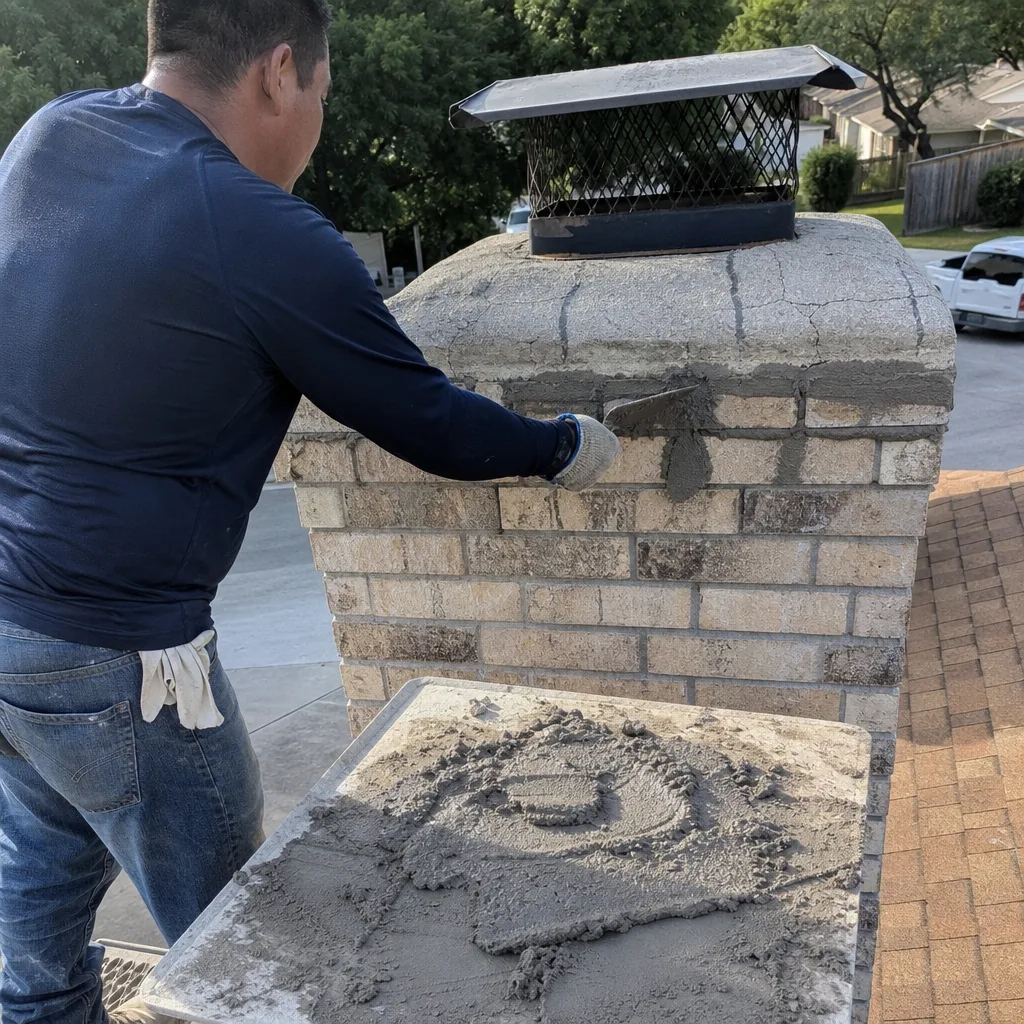
Documentation is the entire point of our name. When we founded Level Two Chimney Co. in 2009, camera-scan documentation was optional industry-wide. We made it standard. That practice became Clause 4 of the Haven Standard, and we’ve maintained it through every one of 38,000+ visits.
What you receive on every job:
- Written scope and price before work begins - Haven Standard Clause 1. No exceptions, no “we’ll tell you when we’re done.”
- Camera video record of the full flue length, smoke chamber, and firebox, with verbal narration of findings. Stored in your customer file and available on request.
- Photo documentation of exterior conditions: crown, cap, brick condition, clearance measurements, cricket status.
- Written report with NFPA 211 Level 2 classification of creosote (Class I, II, or III), liner condition assessment, and specific recommendations with priority ranking.
- Permit status verification - we confirm whether proposed work requires Dallas permitting, include permit fees in written pricing when applicable, and provide permit application assistance.
- Post-completion photo record showing work performed, materials installed (with brand and specification when relevant - DuraFlex, HeatShield, Gelco, Olympia Chimney as appropriate), and final condition.
- 365-Day Done Right Promise - stamped on every job. If it’s not done right, we make it right.
This archive serves practical purposes beyond warranty. When you sell, your Level 2 documentation answers buyer questions before they’re asked. When you claim insurance, it establishes pre-loss condition. When you dispute a contractor’s work, it provides dated, measured evidence. We’ve testified in Dallas County property disputes where our decade-old photo records resolved conflicting claims about when damage appeared.
Our materials sourcing through Haven’s buying network - DuraFlex, HeatShield, Gelco, Olympia Chimney, Famco, Copperfield - means we can produce specification sheets for any installed component. Dallas inspectors recognize these brands and their listings. It speeds permit approval and reduces inspection callbacks.
Calls are answered by a live person, 24 hours a day, 7 days a week. Not a voicemail, not a web form. When you’re staring at a stop-work notice or a buyer’s repair request with a closing date attached, you need a human who can access your file and dispatch a technician with your history already loaded.
Common Mistakes to Avoid
- Assuming your sweep “handles permits” - chimney sweeps in Texas are not licensed by the state; only the contractor pulling the permit is accountable. Verify who’s actually listed on the permit application before work starts.
- Accepting “permit included” without seeing the permit card - some contractors factor in permit cost but never file. Request the permit number and verify it on the Dallas portal before final payment.
- Buying a home with “recent chimney work” and no documentation - in Dallas’s competitive market, buyers waive inspections but shouldn’t waive permit verification. A $25 printout prevents a $5,000 surprise.
- Treating NFPA 211 and municipal inspection as interchangeable - they serve different purposes. One assesses condition; one verifies compliance. Both gaps create liability.
- Ignoring Dallas’s wind-load amendments for caps and chase covers - the decorative cap that survived Oklahoma may fail in a Dallas spring storm. Specify wind ratings or accept replacement frequency.
- Assuming grandfathering protects all original construction - unmodified systems are grandfathered. Any repair that touches the component triggers current code for that component. Know before you cut.
- Paying in full before final inspection - Dallas Building Inspection requires access for final sign-off. If you’ve paid 100%, your leverage to ensure callback completion disappears.
When to Call a Professional
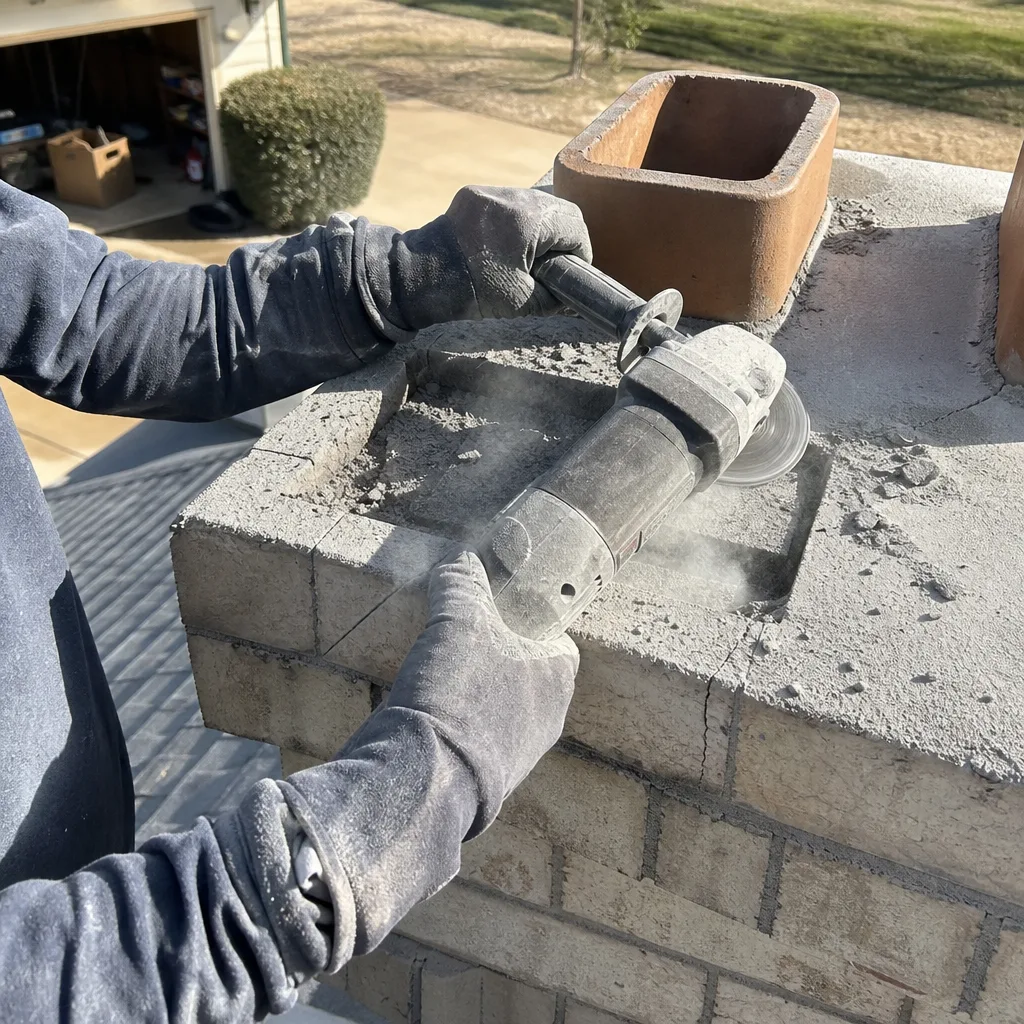
Call a certified chimney professional when you’re buying a home with any chimney work in its history, when your sweep identifies damage that may require structural repair, or when you’re planning any modification beyond cleaning and cap replacement. In Dallas, that means confirming permit requirements before work begins, not after a stop-work notice arrives.
Level Two Chimney Dallas offers free estimates throughout Dallas - call (972) 284-1392. Every estimate includes written scope, written price, and written warranty before any work starts. We verify permit requirements for your specific project, include permit costs in our pricing when applicable, and provide the NFPA 211 Level 2 camera documentation that protects your investment regardless of who performs the work.
Frequently Asked Questions
A standard chimney sweep in Dallas typically ranges from $175 to $325 for a single flue system, depending on creosote accumulation level, accessibility, and whether NFPA 211 Level 2 camera inspection is included. Level Two Chimney Dallas includes Level 2 camera documentation as standard, not as an add-on, with written price provided before scheduling. Call (972) 284-1392 for an exact quote - estimates are free.
You need a new liner when the existing liner is cracked, spalled, missing sections, or improperly sized for your connected appliance - conditions we document with camera evidence you can see yourself. Terracotta liners in Dallas homes built before 1980 commonly show thermal shock cracking from decades of heating cycles; stainless steel relining restores proper containment and sizing. We never recommend liner replacement without showing you the camera footage and explaining the specific defect. Some conditions can be monitored annually; others require immediate action. The camera doesn’t lie, and we don’t speculate.
NFPA 211 recommends annual inspection for all chimney systems, with sweeping frequency determined by use and fuel type. In Dallas, where mild winters mean intermittent fireplace use rather than daily heating, many homeowners extend to biennial sweeping for gas systems but should maintain annual inspection due to our region’s freeze-thaw cycling and occasional severe weather events that damage caps and crowns. Wood-burning systems burning seasoned oak or pecan - common in Dallas - typically require annual sweeping due to creosote accumulation; see Chimney Cleaning Warning Signs: A Dallas Homeowner’s Reference Guide for what to watch for between visits. Systems with Class III glazed creosote need immediate attention regardless of schedule.
Skipped maintenance leads to creosote accumulation that increases chimney fire risk, moisture intrusion that degrades liners and masonry, and undetected damage that becomes more expensive to repair. In Dallas specifically, our clay soils and foundation movement stress chimney structures already; deferred maintenance compounds this with water damage from failed crowns or missing caps. A $200 sweep skipped becomes a $3,000 liner replacement delayed becomes an $8,000 rebuild required. The camera evidence we provide shows exactly where you are in that progression.
No. Cap replacement of the same dimensions and type does not require a Dallas building permit. However, if the replacement involves modifying the flue opening size, adding a new chase cover that requires framing alteration, or installing a cap on a previously uncapped chimney that changes draft characteristics, permitting may be required. We verify this distinction in our written scope before quoting.
Search the Dallas Building Inspection online portal using your property address or PID, or request a full permit printout for $15-$25. Look specifically for building permits with chimney, fireplace, masonry, or mechanical classifications. Cross-reference any visible work with permit records; absence doesn’t always mean unpermitted work, but it requires verification. Level Two Chimney Dallas provides permit history review as part of our pre-purchase inspection service, with specific guidance on any gaps we identify.
The Bottom Line
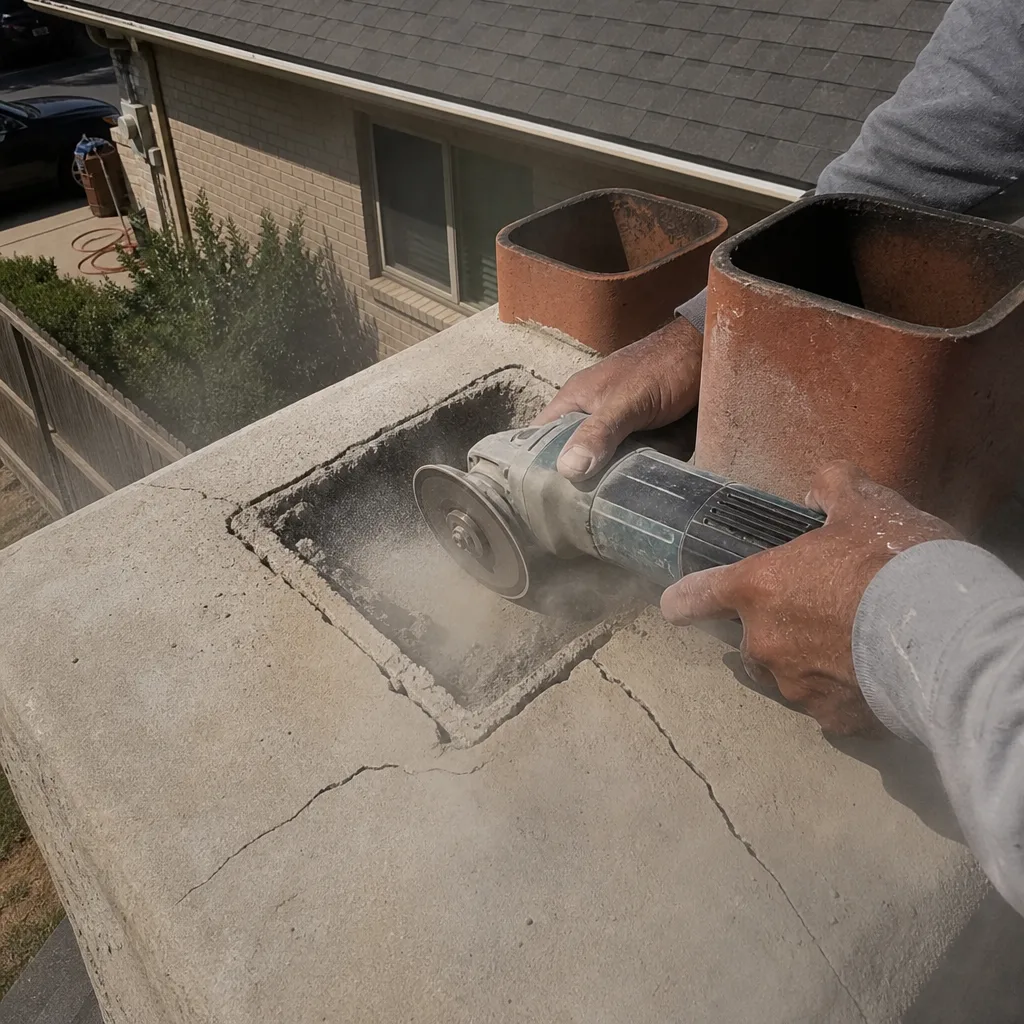
Chimney cleaning doesn’t require a Dallas permit. The repairs it reveals frequently do. The distinction matters for your safety, your insurance, your home’s resale value, and your legal liability as a property owner. NFPA 211 Level 2 inspection documentation - the camera scan, the written report, the photo record - identifies which side of that line your chimney occupies. Municipal permit inspection verifies that crossed work meets code. Both files belong in your property records. For more guides & resources on protecting your chimney investment, explore our blog.
Since 2009, Level Two Chimney Dallas has performed more than 38,000 chimney inspections and cleanings under the Haven Standard, every one with written price before work started and documented record on completion. We don’t speculate about what we can’t see, and we don’t recommend work without evidence you can evaluate yourself.
Written by Corrine Halstead, Owner at Level Two Chimney Dallas, serving Dallas since 2009.