
Last updated September 22, 2026
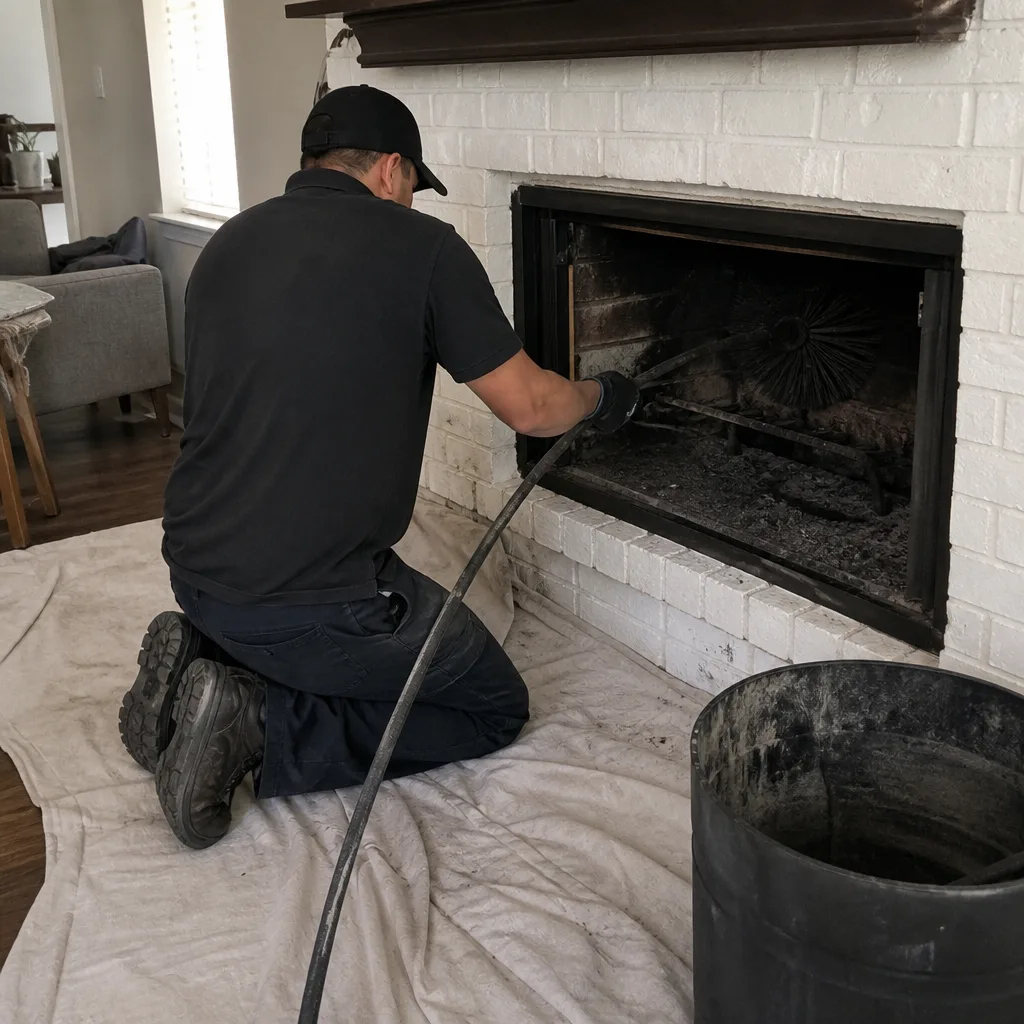
Level 1 sweep and inspection to the NFPA 211 annual standard - flue, crown, cap, and flashing checked and photographed
Chimney sweep logs do not sweep chimneys. They loosen some creosote - which then falls where a brush and vacuum still have to collect it.
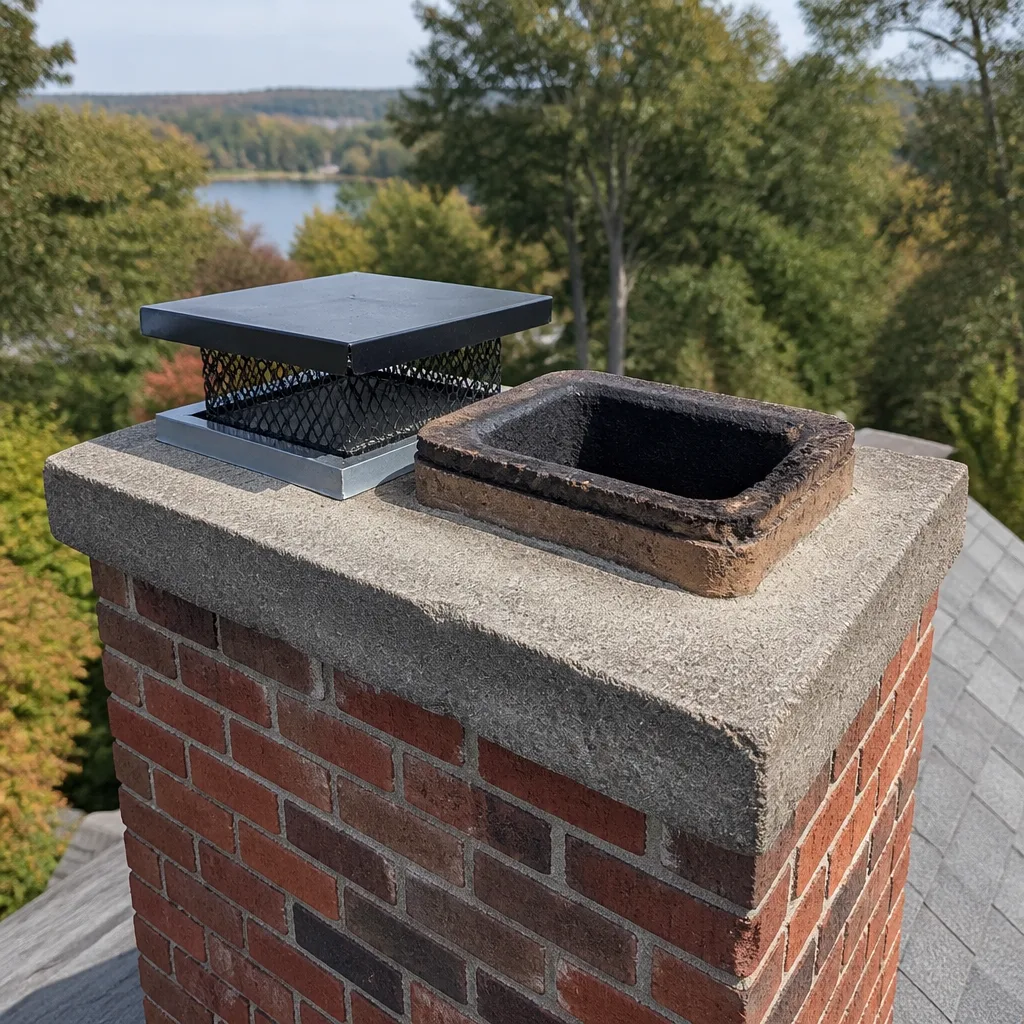
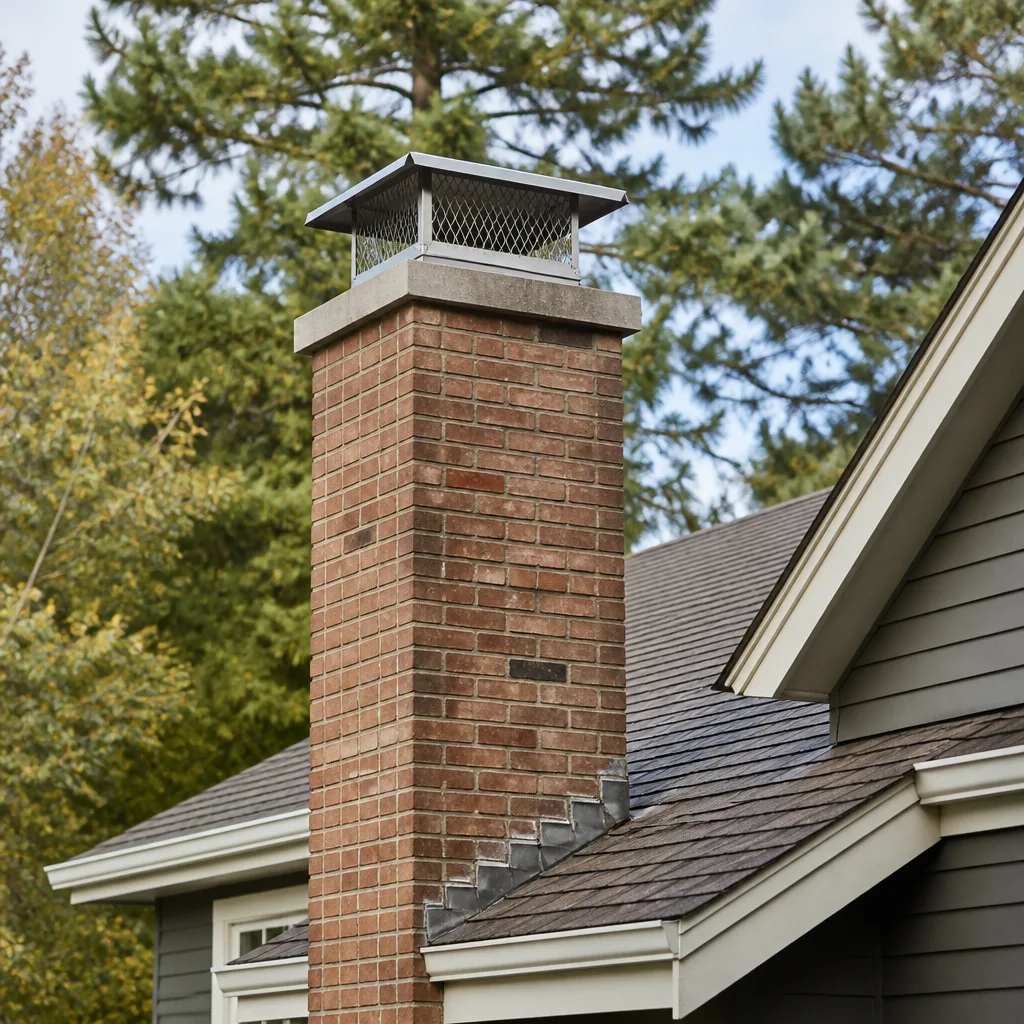
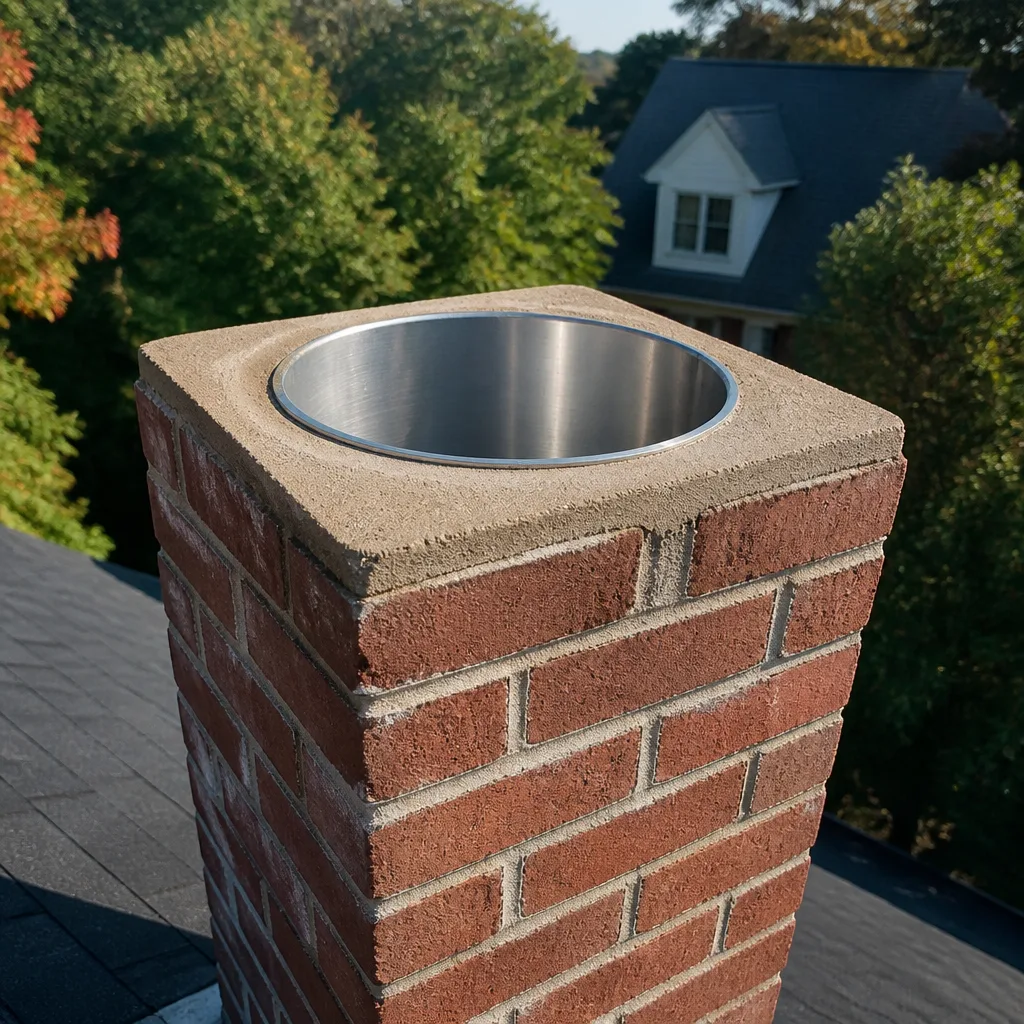
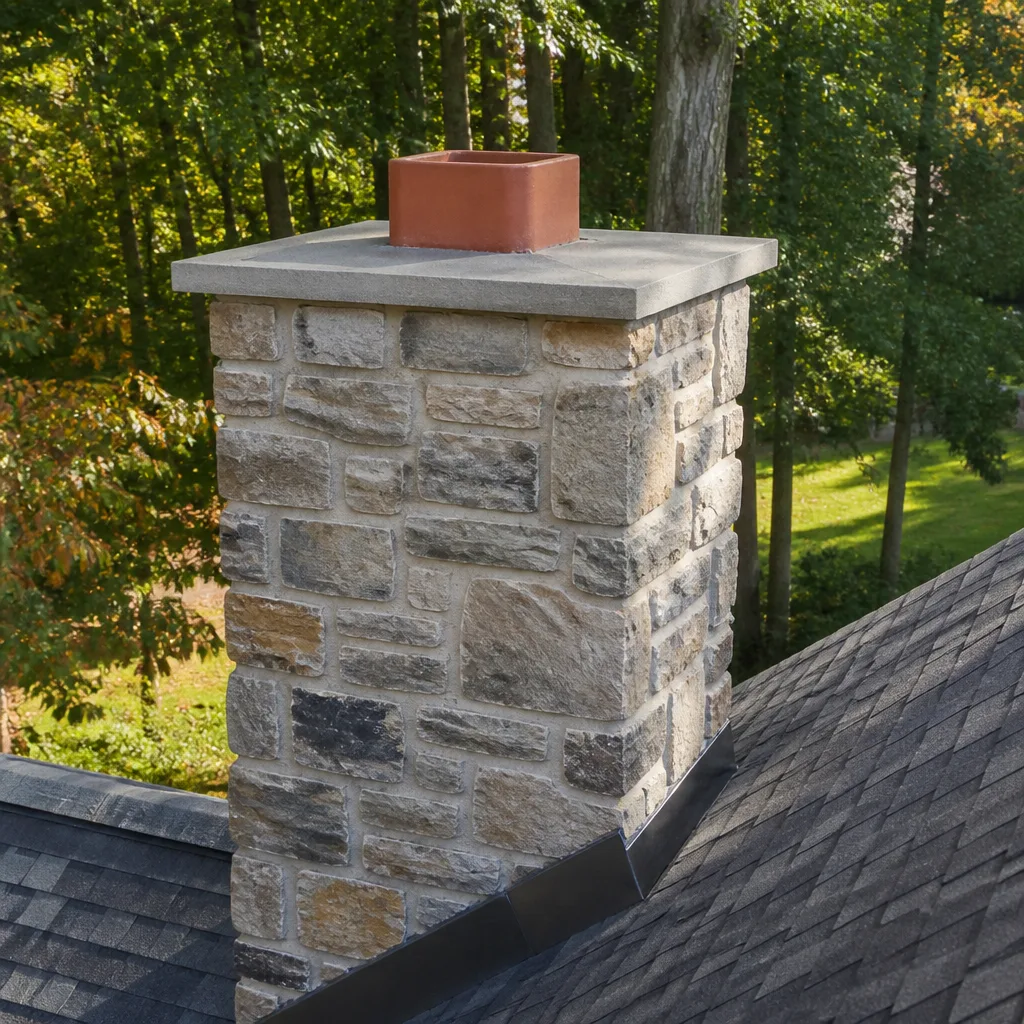
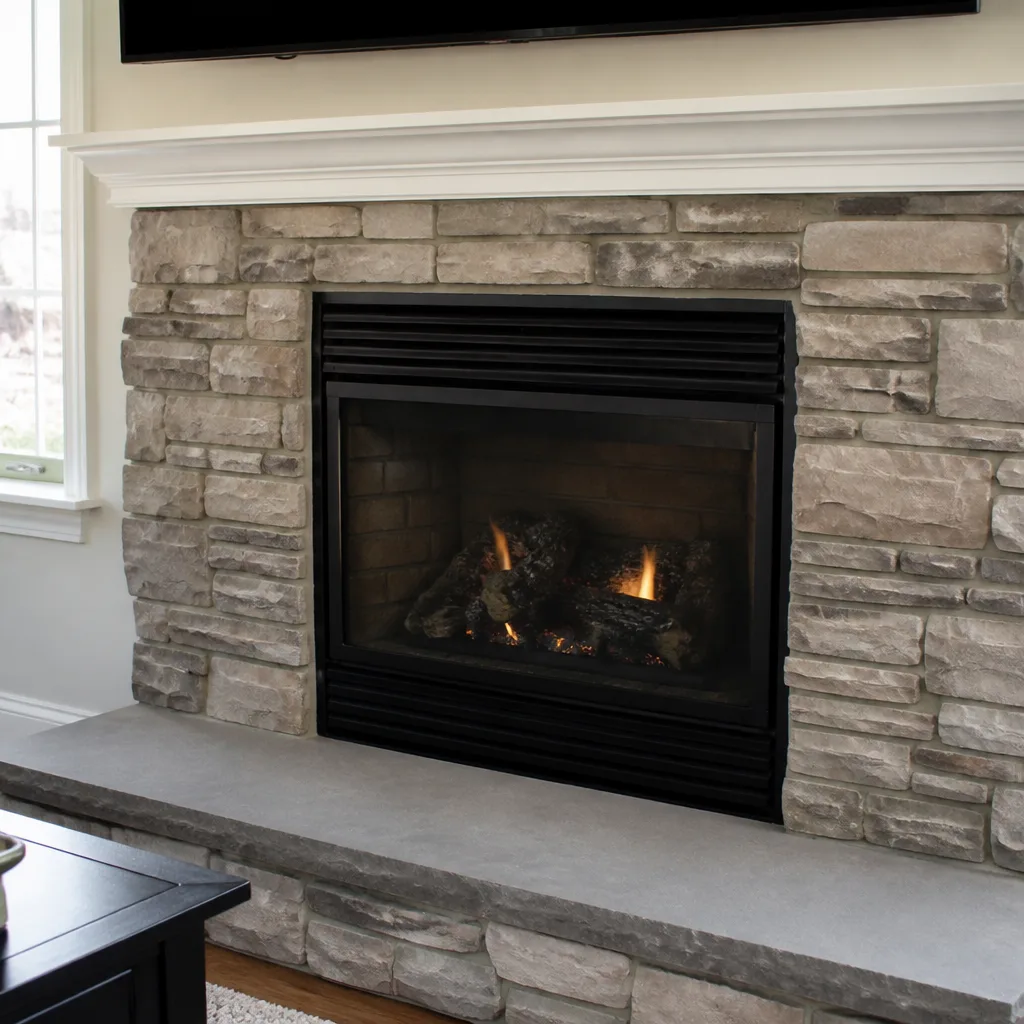
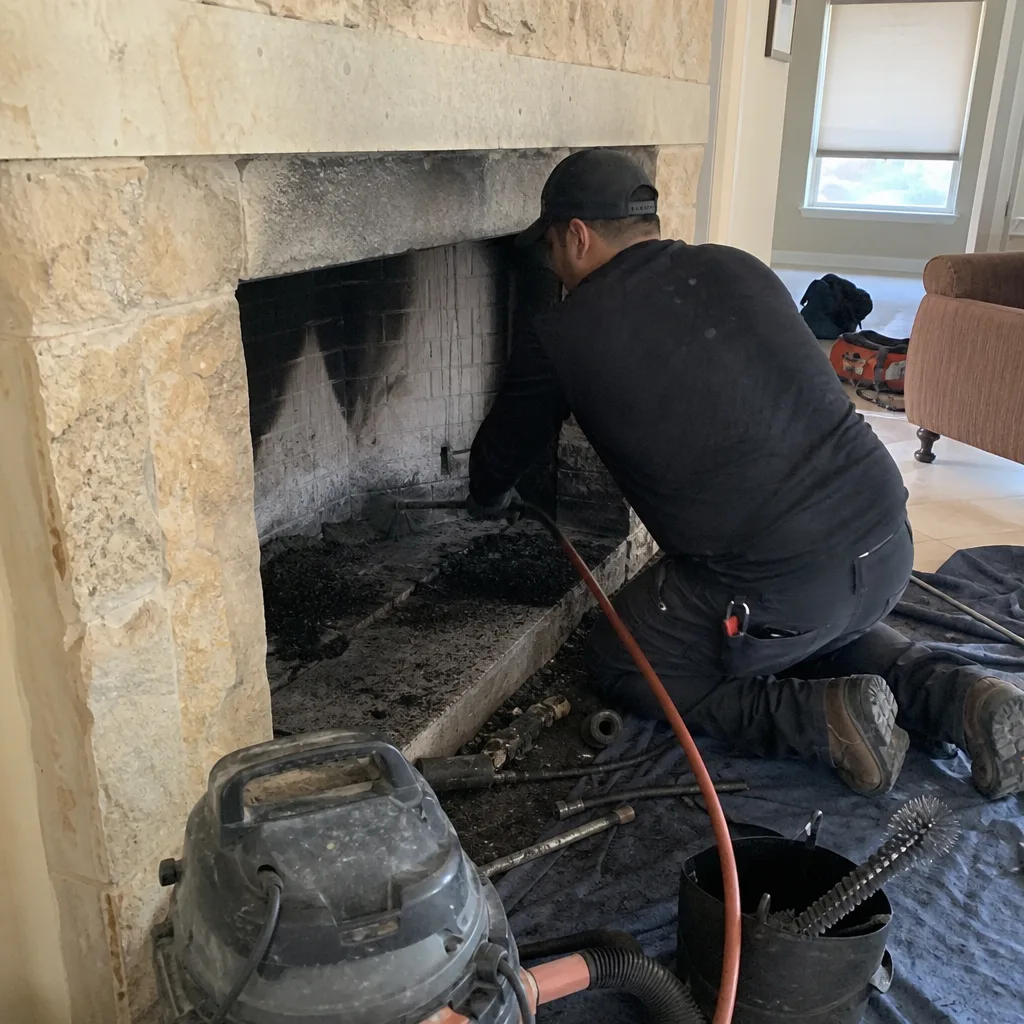 Before
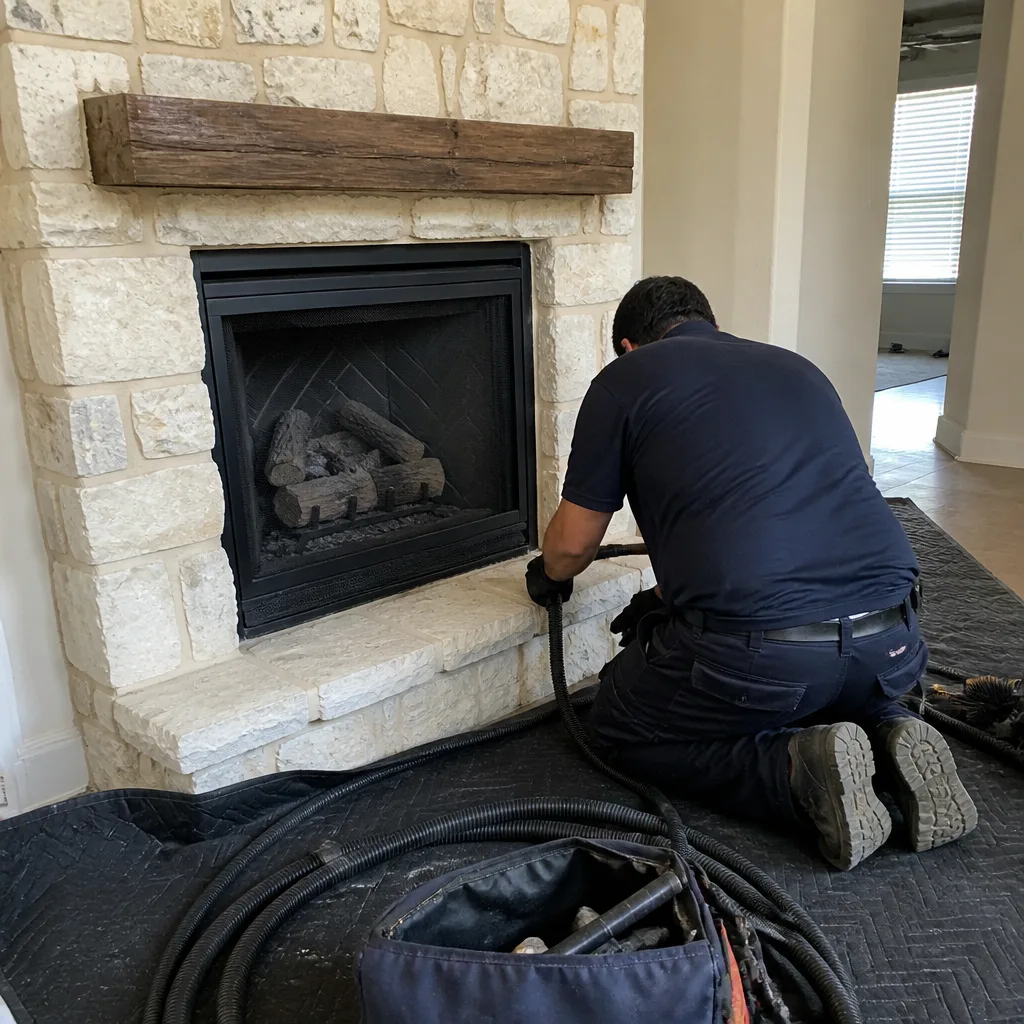 After
After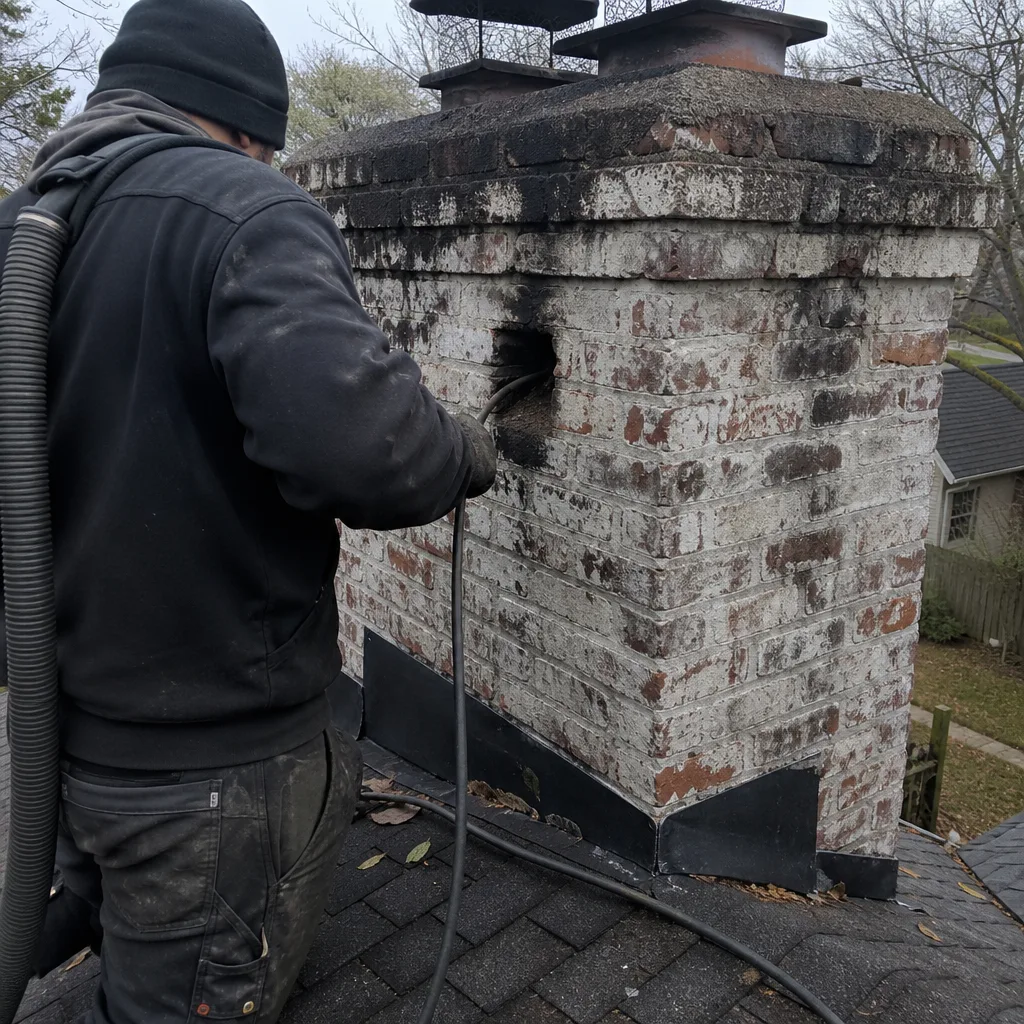 Before
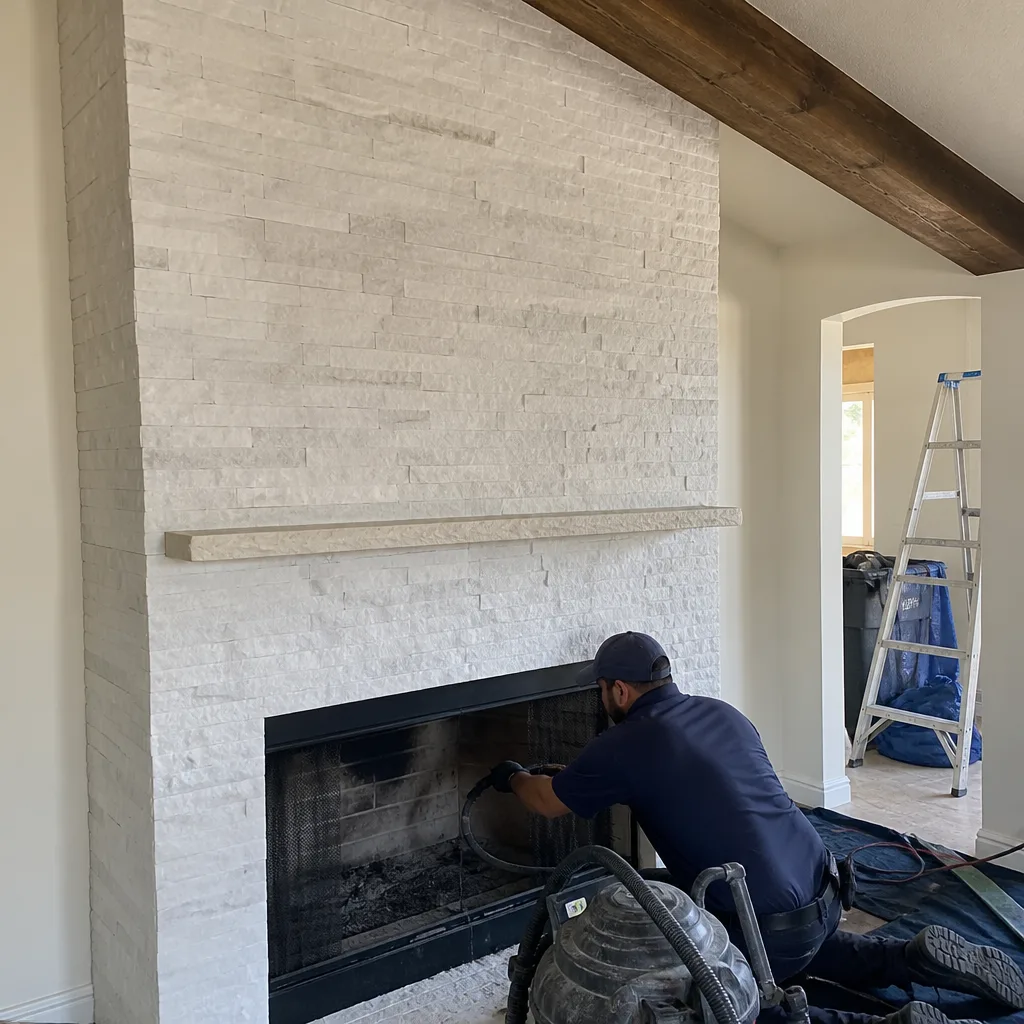 After
After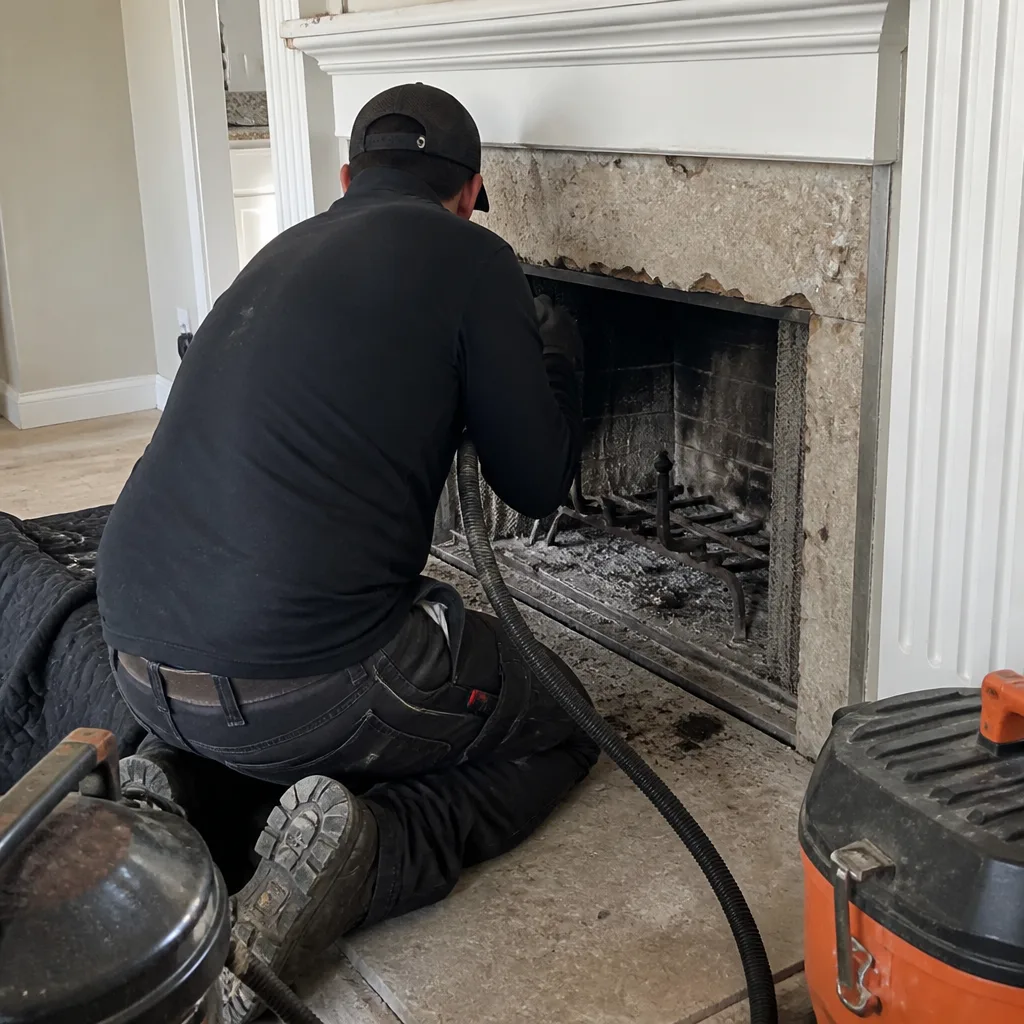 Before
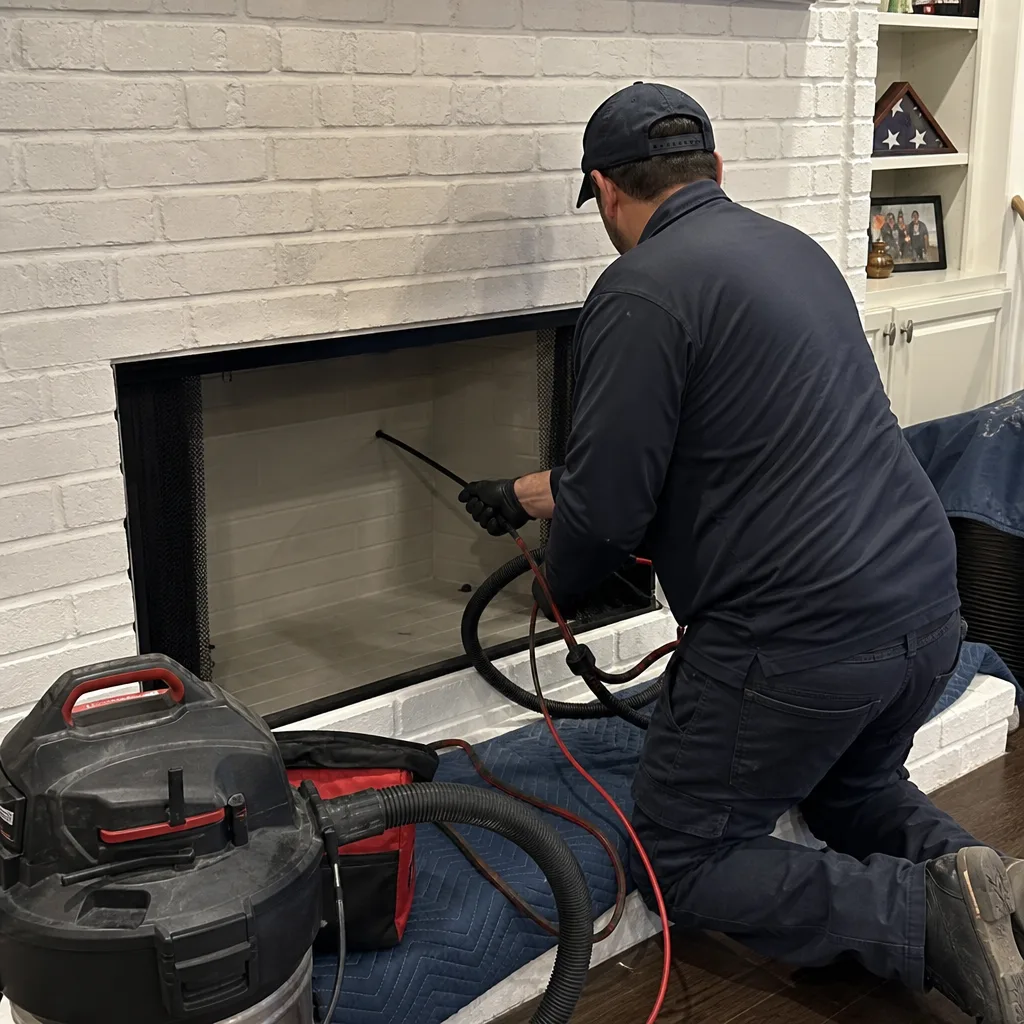 After
AfterChimney Cleaning & Sweep Maintenance Checklist for Dallas Homeowners
Most chimney checklists tell you to “inspect the damper for corrosion.” Almost none tell you what corroded damper metal actually looks like, how far it has to flake before it matters, or what a replacement costs in Dallas. So the checklist gets skipped, and the damper fails closed during a January cold snap. We’ve completed more than 38,000 chimney inspections since 2009, and the pattern is consistent: homeowners want to maintain their chimneys, but generic advice without observable criteria leaves them guessing. This guide converts every checklist item into a pass/fail test with plain descriptions of failure, Dallas-specific seasonal timing, and documentation steps that protect your insurance coverage.
Quick Answer
A proper chimney maintenance checklist for Dallas homeowners covers six observable components: firebox floor condition, smoke shelf debris, damper plate operation, flue liner integrity, chimney cap security, and crown waterproofing. For professional help with any of these, our Chimney Cleaning & Sweep services cover full inspection and cleaning. Each item can be self-checked with a flashlight and phone camera for initial screening, but NFPA 211 Level 2 camera inspection is required to verify flue liner condition and document findings for insurance. In Dallas’s freeze-thaw climate, pre-season checks in October and post-season checks in March prevent the spalling and liner damage that lead to costly mid-winter failures.
Table of Contents
- The Room-by-Room Observable Checklist
- What You Can Self-Verify vs. What Needs a Camera
- Dallas Seasonal Timing: October and March Checks
- How to Document Findings for Remote Quoting
- Three Checklist Failures That Void Texas Insurance Coverage
- What Fixes Cost in the Dallas Market
- Common Mistakes to Avoid
- When to Call a Professional
- Frequently Asked Questions
 Before
 After
AfterThe Room-by-Room Observable Checklist
A checklist only works if you know what “good” and “failed” look like. Here’s each component with its pass condition and failure description.
Firebox Floor and Refractory Panels
The firebox is the visible chamber where combustion happens. Factory-built fireplaces have refractory panels; masonry fireboxes have firebrick and mortar.
Pass condition: Floor surface is flat, panels or brick show no cracks wider than a nickel, and no mortar is missing from joints.
Failure: Cracks wider than 1/8 inch, panels that shift when touched, or gaps where flames could reach the framing behind. In Dallas, we’ve replaced firebox floors in Lakewood and M Streets homes where thermal cycling from frequent on/off gas-log use caused panel stress fractures invisible from a standing position.
What to do: Kneel and sight across the floor at eye level. Cracks catch light differently than surface scratches. Photograph any crack with a quarter placed beside it for scale.
Smoke Shelf and Smoke Chamber
The smoke shelf is the flat area behind the damper; the smoke chamber is the sloped section above it that funnels smoke into the flue. Both collect debris and are common bypass points for creosote and combustion gases.
Pass condition: No visible debris accumulation, sloped walls are smooth parged (coated) surface without exposed brick corbelling.
Failure: Debris pile deeper than your thumb width, rough corbelled brick exposed, or black glazed deposits (Class III creosote, a hardened, tar-like residue from slow burns).
What to do: Open the damper fully, shine a flashlight upward at an angle. The smoke shelf is visible as a horizontal ledge. You cannot inspect the full smoke chamber without a camera, but debris on the shelf and the condition of the chamber walls you can see are predictive.
Damper Plate and Frame
The damper is the metal door that closes the flue when the fireplace is not in use. It operates by handle, rotary control, or chain.
Pass condition: Opens fully without binding, closes with no visible gap when viewed from below, metal shows surface discoloration only with no flaking or pitting.
Failure: Handle or chain moves but plate does not rotate; plate stops short of full open; visible rust flakes that leave pits in the metal; gap larger than a pencil width when “closed”; or the plate has fallen from its pivot pins entirely.
What to do: Operate the control through its full range. Listen for grinding. With damper closed, look up from firebox for light gaps. In Dallas’s humid subtropical climate, we’ve found damper corrosion accelerated in homes near White Rock Lake and along the Trinity River corridor where summer humidity lingers in unused flues. See our Chimney Cleaning Warning Signs: A Dallas Homeowner’s Reference Guide for earlier indicators of trouble.
Flue Liner
The flue liner is the protective conduit inside the chimney structure that contains combustion gases and protects surrounding construction from heat transfer.
Pass condition: From the top, liner segments align with no visible gaps or shifts. From below, liner walls appear continuous with no daylight visible through cracks.
Failure: Spalling (flaking) tile, shifted or missing liner segments, vertical cracks, or exposed brick where liner should be. Clay tile liners in Dallas homes built 1960-1990 are particularly prone to thermal shock cracking from rapid temperature changes.
What to do: From the firebox, shine a flashlight straight up the flue. What you can see is limited but meaningful: liner color should be uniform, joints should align vertically. Any deviation, or any debris that has fallen from above, indicates a camera inspection is needed. Do not attempt to climb or use extension poles; liner damage assessment requires NFPA 211 Level 2 camera documentation.
Chimney Cap
The cap sits atop the flue termination, preventing water entry, animal intrusion, and debris accumulation while allowing exhaust flow.
Pass condition: Securely attached to flue or crown, mesh sides intact with openings no larger than 3/4 inch, no visible rust-through, hood is level and not crushed.
Failure: Cap missing entirely, mesh torn or missing (squirrel entry), hood detached or tilted, or cap sitting loose on flue with no fasteners. In Dallas, we’ve removed caps in Preston Hollow and Highland Park where Bradford pear debris accumulated and corroded mesh from the inside out.
What to do: View from ground with binoculars, or from roof if you are comfortable and equipped for ladder work. Do not attempt roof inspection without proper fall protection. Photograph the cap from multiple angles; a loose cap often shows gap at the base.
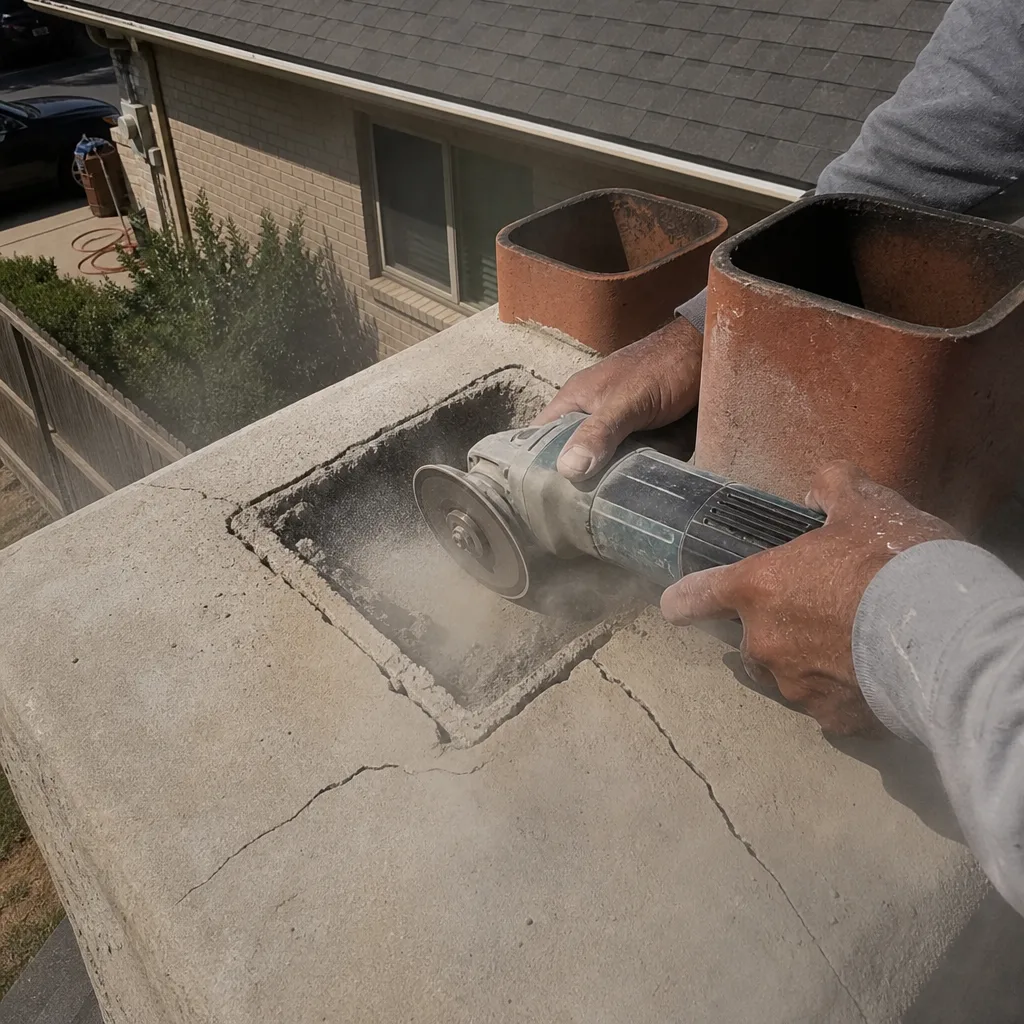
Chimney Crown
The crown is the concrete or mortar slab that tops a masonry chimney, shedding water away from the flue and structure.
Pass condition: Sloped surface with drip edge, no cracks wider than 1/8 inch, no spalling or exposed aggregate, sealant intact where crown meets flue tile.
Failure: Cracks that penetrate full depth, flat or reversed slope (water pools), spalling deeper than 1/4 inch, or separation from flue tile creating a gap. Dallas’s freeze-thaw cycles, though milder than northern climates, still damage crowns when water enters cracks and expands during occasional hard freezes.
What to do: Ground or roof observation. Look for staining on the brick below the crown, which indicates water runoff where it should not be. A cracked crown in Dallas often shows first as efflorescence (white mineral deposits) on the brick face below.
What You Can Self-Verify vs. What Needs a Camera
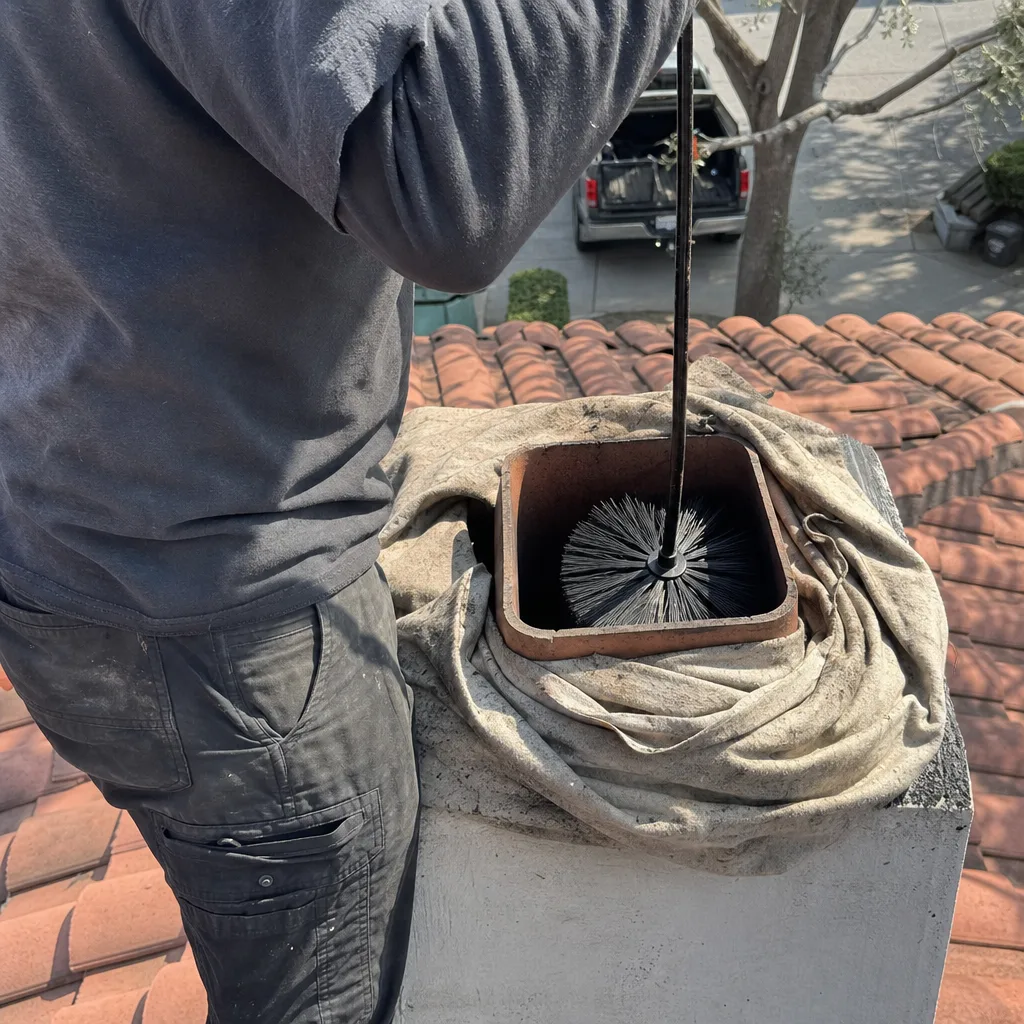
Honest self-assessment saves time and prevents unnecessary service calls, but knowing the boundary between homeowner checks and professional inspection protects you from both missed hazards and oversold services. Our Complete Guide to Chimney Cleaning in Dallas explains when to call a pro.
Homeowner-Safe Checks (No Special Equipment)
- Firebox visual inspection: Cracks, panel condition, debris. Use flashlight, photograph findings.
- Damper operation: Full range of motion, closed-gap check, control integrity.
- Smoke shelf debris (limited): What is visible from below with flashlight and mirror.
- Cap condition (ground or binoculars): Security, mesh integrity, hood position.
- Crown and exterior masonry: Cracks, staining, spalling from safe viewing position.
- Fireplace performance: Smoke rollout, odor, draft delay on startup.
Camera-Required Verification
- Full flue liner length: Only a chimney camera can document liner condition from smoke chamber to termination. NFPA 211 Level 2 requires this for real estate transactions and insurance documentation.
- Smoke chamber walls above visible portion: The corbelled brick or parged surface that guides smoke into the flue cannot be fully assessed from below.
- Hidden firebox damage: Cracks at rear corners and behind lintel (the steel bar above the opening) require close camera inspection.
- Creosote classification: Stage I (soot), Stage II (flakes), and Stage III (glazed, hardened) require professional identification to determine sweep method and safety implications.
We’ve quoted jobs in Bishop Arts and Oak Cliff where homeowners sent clear phone photos of firebox cracks and damper gaps, allowing us to provide written pricing before dispatch. Other jobs, particularly in older Dallas neighborhoods like Swiss Avenue and Munger Place, required camera inspection to reveal liner damage hidden from below.
Dallas Seasonal Timing: October and March Checks
Dallas’s climate creates specific maintenance windows. The goal is pre-season verification before first use, and post-season assessment before summer humidity accelerates any deterioration.
October Pre-Season Checklist
Complete before first fire, ideally by mid-October when evening temperatures drop consistently below 60°F.
- Verify damper opens fully and closes without gap. A stuck damper discovered on the first cold night is a service call with wait time.
- Inspect firebox for cracks that developed over summer. Thermal cycling from Dallas’s 100°F summer to heating season stresses refractory materials.
- Check cap and crown for storm damage from spring hail and summer wind events. June 2024 hail across North Dallas damaged caps we replaced in Addison and Farmers Branch.
- Schedule professional sweep if last cleaning was more than one cord of wood ago, or if any Class II or III creosote was noted previously.
- Test smoke and CO detectors. This is not chimney-specific, but it’s part of safe first-fire protocol.
March Post-Season Assessment
Complete after final fire, before humidity rises. Dallas’s March average relative humidity climbs from 65% toward summer’s 70%+, accelerating corrosion in damp flues.
- Inspect firebox and smoke shelf for ash accumulation that will absorb moisture. Remove all ash; it becomes acidic when damp.
- Verify damper closes fully to block humid air entry. A gap here is the primary cause of summer “chimney odor” complaints we address in June and July.
- Photograph crown and cap condition while fresh in memory. Compare to October photos to track deterioration rate.
- Schedule repairs identified but deferred during burning season. Crown sealing, cap replacement, and minor masonry work are best completed before Dallas’s spring storm season.
Homes in flood-prone Dallas areas near the Trinity River corridor, including parts of West Dallas and the Design District, should add a check for water staining in the firebox after heavy rains. Staining indicates crown, cap, or flashing failure that may not show in dry months.
How to Document Findings for Remote Quoting
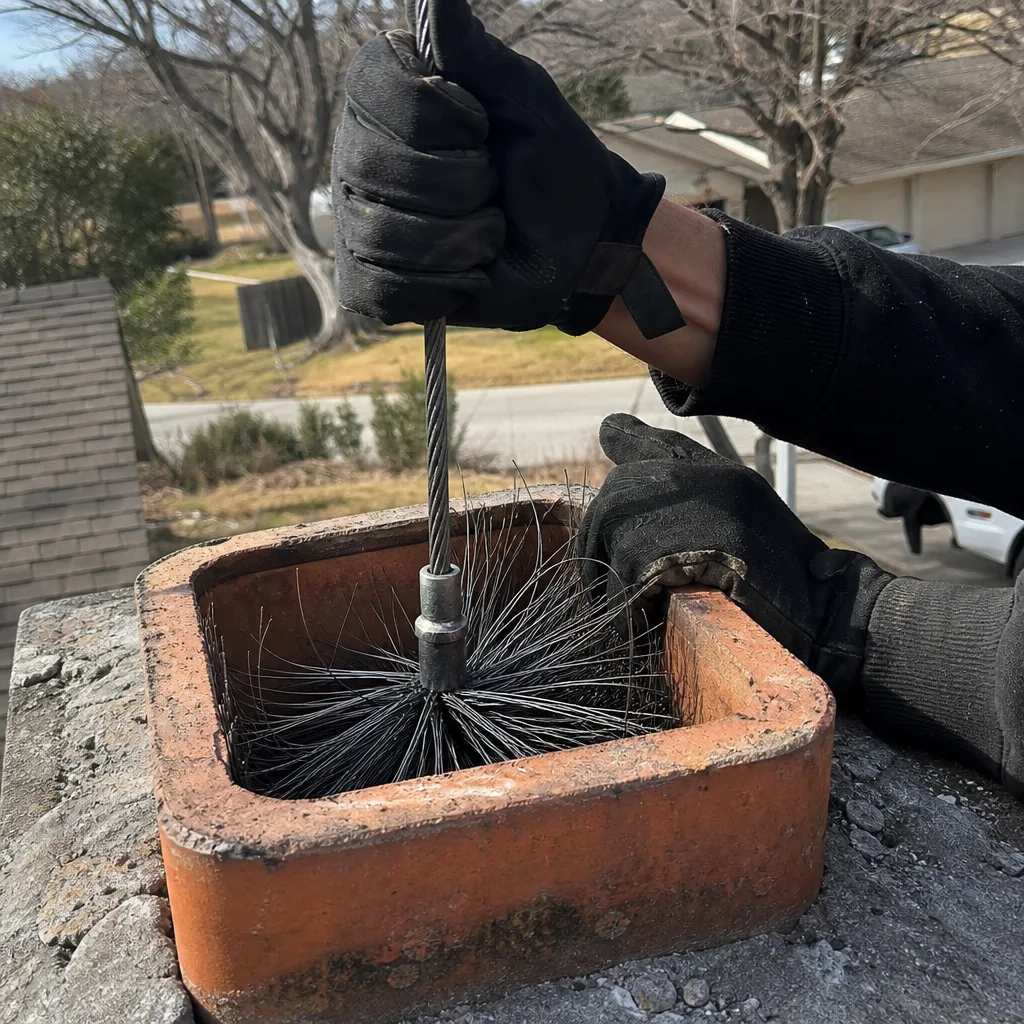
Documentation serves two purposes: it allows a sweep to quote accurately before arriving, and it creates the dated record that insurance companies require if you ever file a claim.
Phone Photography Protocol
- Scale reference: Place a quarter or ruler beside any crack, gap, or damage before photographing. This eliminates ambiguity about size.
- Multiple angles: Firebox cracks: straight-on and oblique. Damper: fully open, fully closed, and close-up of any corrosion. Cap: wide shot showing position on chimney, then close-up of damage.
- Lighting: Use flashlight, not flash. Flash creates hotspots that obscure detail. For firebox, shine light across the surface at low angle to highlight crack shadows.
- Video for operation: Record damper operation from start to finish. A 10-second video shows binding or noise that still photos cannot.
- Metadata preservation: Ensure date/time stamp is enabled. Insurance documentation requires dated evidence.
What to Send
Email or text your photos with this information:
- Year home was built (approximate is fine)
- Fuel type: gas log, wood-burning, or pellet
- Frequency of use: fires per week in season, or “decorative only”
- Any previous chimney work, with approximate date
- Specific symptoms: odor, smoke rollout, draft delay, debris fall
At Level Two Chimney Dallas home, we review homeowner documentation daily and provide written pricing for approximately 60% of inquiries without a preliminary visit. This is Clause 1 of the Haven Standard: written price, written scope, written warranty before work starts. For the remaining 40%, we explain exactly what camera inspection will reveal and why it’s necessary.
Three Checklist Failures That Void Texas Insurance Coverage
Texas homeowner insurance policies increasingly include chimney-specific exclusions or require documented maintenance. Three failure modes, if undocumented, commonly result in claim denial.
1. Unlined or Deteriorated Flue Liner with Active Use
A damaged or missing flue liner allows combustion gases and heat to contact combustible framing. If a fire results, insurers deny claims where no NFPA 211 Level 2 inspection documented liner condition within the policy’s specified period, typically 12-24 months. The camera footage and photo record from Chimney Cleaning & Sweep in Dallas creates the documentation that satisfies this requirement under Haven Standard Clause 4.
2. Crown or Cap Failure Leading to Water Damage
Water entry from crown cracks or missing caps causes interior damage, mold, and structural deterioration. Insurers classify this as “maintenance neglect” unless the homeowner can produce evidence of periodic inspection and timely repair attempts. Your March and October photo series, with dates, establishes this pattern.
3. Class III Creosote Accumulation in Wood-Burning Systems
Class III creosote is a hardened, highly combustible deposit that requires mechanical removal. If a chimney fire occurs and inspection reveals Class III buildup, insurers may deny claims where no professional sweep was performed within the manufacturer’s or NFPA’s recommended interval. Documentation of creosote classification at each sweep is essential; we include this in every Level Two record.
The key word is “undocumented.” A failure you identified, photographed, and addressed with professional repair is insurable. Browse our more guides & resources for additional maintenance documentation tips. The same failure, ignored, becomes grounds for exclusion. Our 38,000+ job archive includes records that have supported homeowner claims; the absence of records has, in cases we were called to review second, supported denial.
What Fixes Cost in the Dallas Market
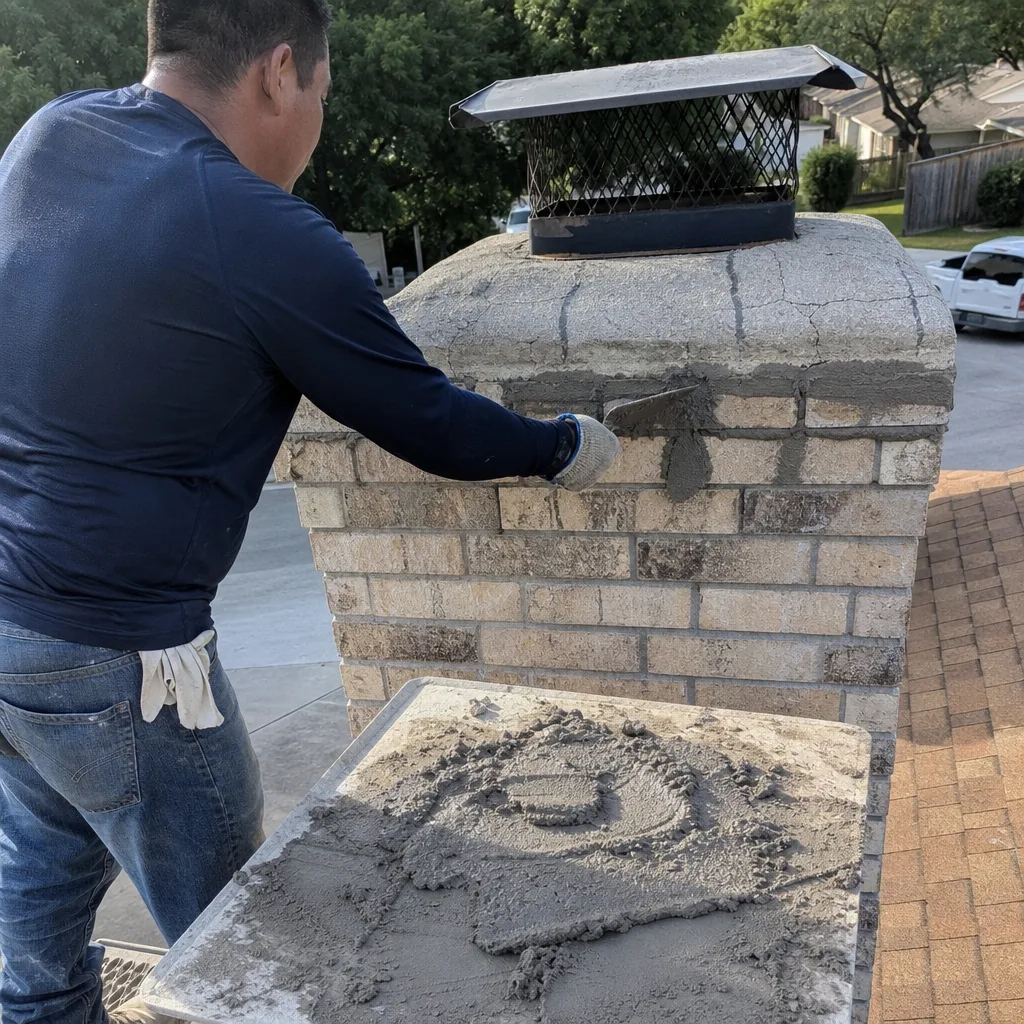
Pricing varies by chimney type, access, and material, but Dallas homeowners should expect these ranges based on our 2024-2025 service data:
| Service | Typical Range | What Affects Price |
|---|---|---|
| Chimney sweep (gas fireplace) | $149 – $219 | Accessibility, debris volume |
| Chimney sweep (wood-burning) | $189 – $289 | Creosote class, liner condition |
| NFPA 211 Level 2 inspection with camera | $249 – $349 | Number of flues, roof access |
| Damper replacement (throat) | $380 – $650 | Size, material, access |
| Chimney cap (stainless steel) | $280 – $450 | Flue size, mesh specification |
| Crown repair/sealing | $450 – $850 | Crack extent, surface area |
| Crown rebuild | $1,200 – $2,400 | Dimensions, reinforcement needs |
| Firebox refractory panel replacement | $340 – $680 | Panel count, brand availability |
These are installed prices using materials from our Haven buying network, including Famco caps and Copperfield specialty components where specified. We deliver written pricing before work starts, with no variance without written change order. A Free Second Opinion on any competitor’s written estimate is always available.
Homes in Dallas’s historic districts, particularly those with original construction in Peak’s Suburban Addition or the Kessler Park area, may encounter non-standard flue sizes or discontinued components that extend the upper end of ranges. We identify these constraints in the written scope, never after work begins.
Common Mistakes to Avoid
- Assuming gas fireplaces need no maintenance. Gas systems produce corrosive condensation and debris that obstruct burners and damage liners. Annual inspection is required; “it burns clean” is a dangerous misconception we encounter in new Dallas construction.
- Using the wrong creosote remover. Chemical treatments for Class III creosote are preparatory, not primary removal. Applying them without professional assessment can harden deposits further or damage liners.
- Ignoring summer chimney odor. Sour smell in summer indicates moisture and organic accumulation, not “just how chimneys are.” It predicts accelerated deterioration and indicates damper or cap failure.
- Hiring based on lowest sweep price without inspection documentation. A $99 sweep with no camera, no photo record, and no written condition report leaves you without insurance documentation and may miss liner damage. The savings evaporate with one denied claim.
- Delaying crown repair until “next season.” Dallas’s occasional hard freezes in January and February exploit existing cracks. A $600 seal in October becomes a $2,000 rebuild in March.
- DIY cap installation with generic hardware store product. Improperly sized caps create draft problems and accelerated corrosion. We specify Famco and Copperfield components dimensioned to your flue, with proper clearances for your fuel type.
- Neglecting to transfer documentation at home sale. Chimney inspection records add value and prevent last-minute repair demands. Our documented photo records transfer with the property address and support buyer confidence.
When to Call a Professional
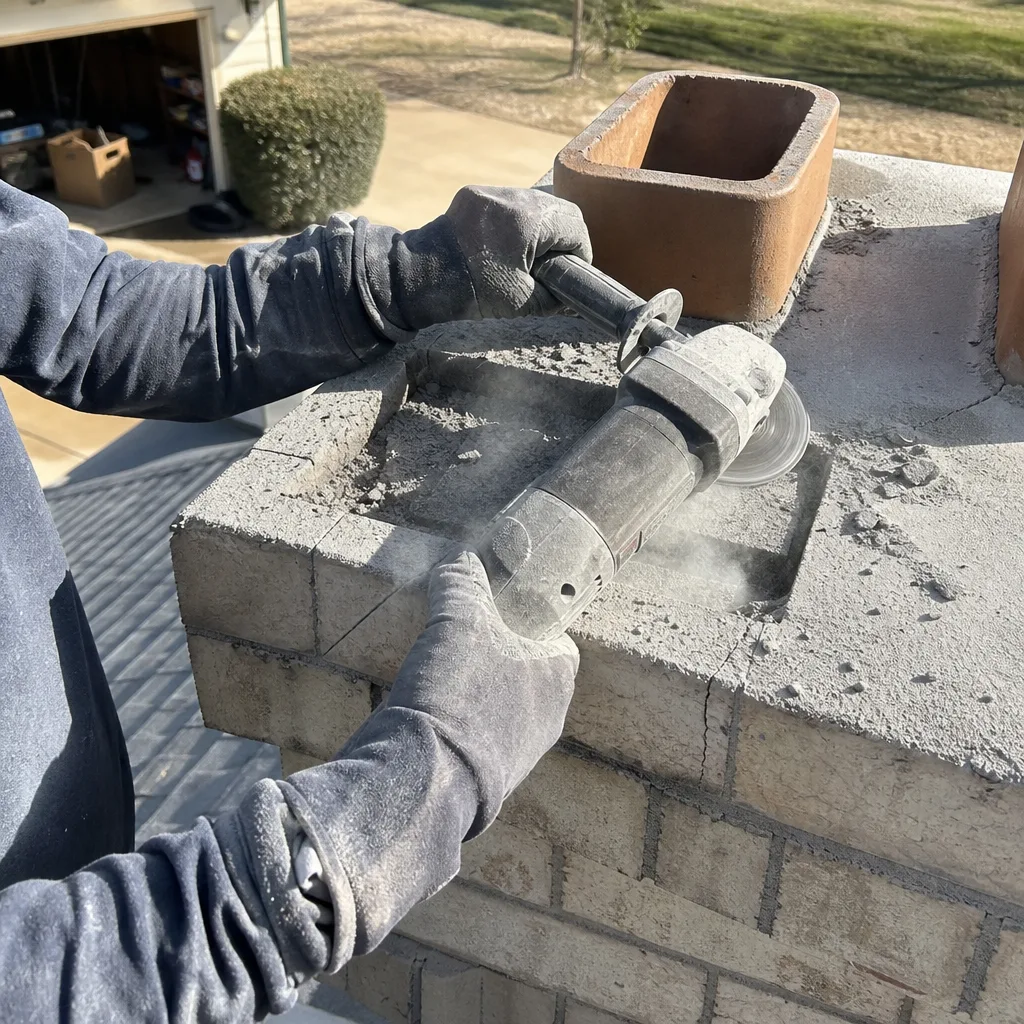
Call for professional inspection when any checklist item fails, when you observe smoke rollout, delayed draft, or unusual odor, or when your last professional evaluation exceeds 12 months. Specific scenarios requiring prompt attention: debris or animal nesting sounds from the flue; visible flame or spark emission from chimney top; carbon monoxide detector activation near the fireplace; or any crack, gap, or spalling you cannot confidently assess.
Level Two Chimney Dallas offers free estimates throughout Dallas and surrounding communities. Our NFPA 211 Level 2 inspection includes camera-scan documentation and a written photo record on every visit, standard under Haven Standard Clause 4 since 2009. Background-checked, uniformed technicians arrive with license information, and you’ll receive a text when your tech is en route. Call (972) 284-1392 to schedule or send your documentation for remote quoting.
Frequently Asked Questions
Chimney sweep costs in Dallas range from $149 for gas fireplace systems to $289 for wood-burning systems with significant creosote accumulation. An NFPA 211 Level 2 inspection with camera documentation runs $249-$349. Level Two Chimney Dallas provides written pricing before any work begins, with no hidden fees. Call (972) 284-1392 for an exact quote based on your system type and condition.
Gas fireplaces require annual inspection and sweep as needed; wood-burning systems require sweep after each cord of wood burned, or annually, whichever comes first. In Dallas’s mild climate, decorative gas-log use often exceeds heating necessity, accelerating debris accumulation in seldom-cleaned systems. The NFPA 211 standard, not calendar convenience, should guide your schedule.
You need liner replacement when inspection reveals cracks, gaps, missing segments, or deterioration that allows combustion gases to contact chimney structure. We do not recommend liner replacement without camera-documented evidence you can review yourself. In Dallas homes built 1960-1990 with original clay tile liners, thermal shock damage is common but not universal; camera inspection distinguishes repairable conditions from replacement needs. Our Free Second Opinion applies to any competitor’s liner replacement quote.
Skipped maintenance leads to progressive, often hidden deterioration: creosote accumulation increases chimney fire risk; moisture entry corrodes dampers and damages liners; crown cracks expand with freeze-thaw cycling; and insurance coverage may be voided for undocumented conditions. In Dallas, we’ve restored chimneys where five years of neglect turned a $400 crown seal into a $4,000 rebuild with liner damage. The cost of scheduled maintenance is predictable; the cost of failure is not.
Homeowners can remove superficial firebox ash and debris, but flue sweeping and liner assessment require professional equipment and training. Class II and III creosote removal involves mechanical tools and protective protocols; improper technique damages liners and creates exposure risk. For insurance documentation and safety verification, professional service with photo record is the practical standard. We do not provide DIY guidance for flue access or creosote removal due to the genuine hazard of falling debris and structural damage.
A Level 1 inspection is visual, accessible-surface examination without specialized tools, appropriate for chimneys with unchanged conditions and continued use. A Level 2 inspection adds internal camera examination of flue liners, smoke chambers, and other areas not readily accessible, required for real estate transactions, after chimney fire or seismic event, or upon change of fuel or liner type. Level Two Chimney Dallas performs NFPA 211 Level 2 inspection as standard practice, with documented photo record included on every visit under Haven Standard Clause 4, because surface-only examination misses the conditions that cause failure.
The Bottom Line
Effective chimney maintenance in Dallas depends on observable criteria, seasonal timing, and documentation. This checklist gives you the pass/fail standards to self-assess, identifies what requires professional camera inspection, and establishes the photo record that protects your insurance coverage. The six components, checked in October and March, prevent the progressive deterioration that turns minor maintenance into major repair. Written pricing before work, camera documentation during, and a 365-Day Done Right Promise after, that’s the standard we’ve operated under since 2009.
Ready to schedule your inspection or send documentation for remote quoting? Call Level Two Chimney Dallas at (972) 284-1392. Live support answers 24 hours a day, and every estimate is free.
Written by Corrine Halstead, Owner at Level Two Chimney Dallas, serving Dallas since 2009.