
Last updated September 22, 2026
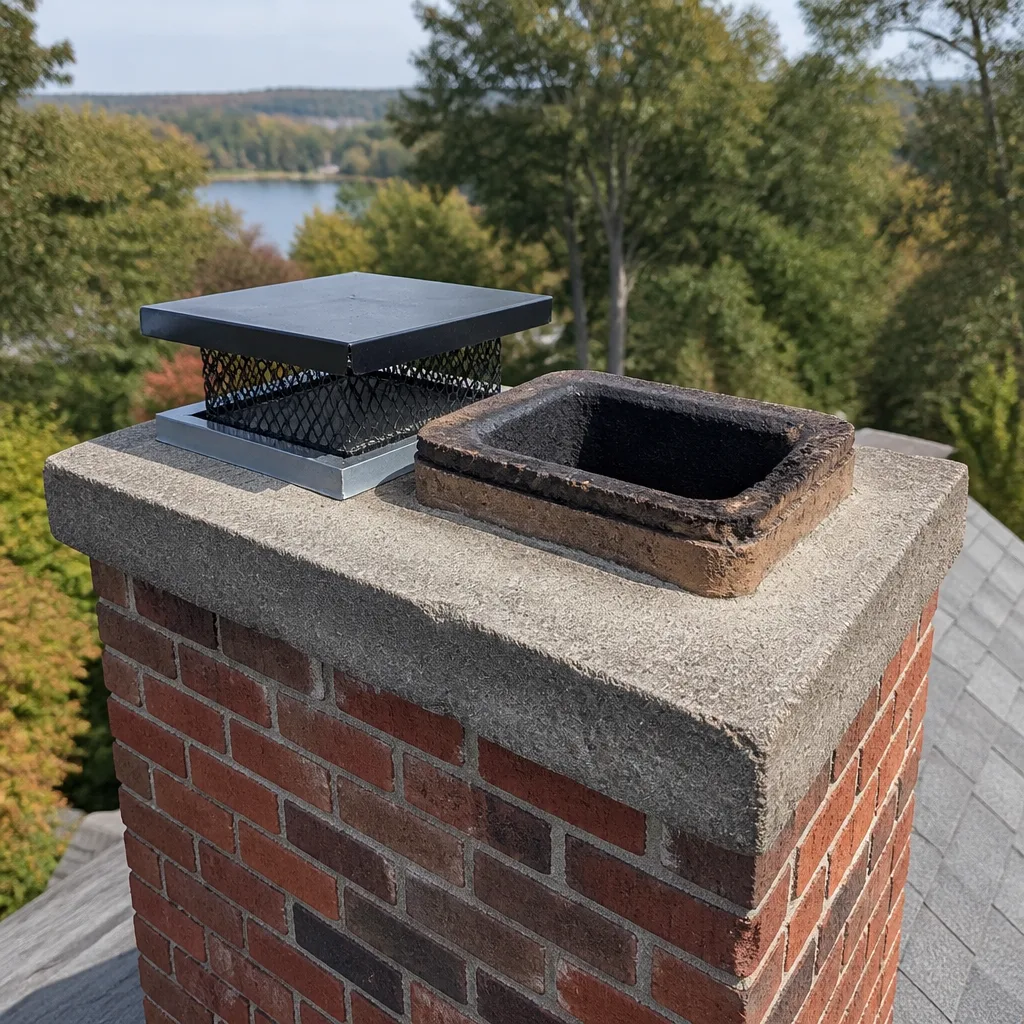
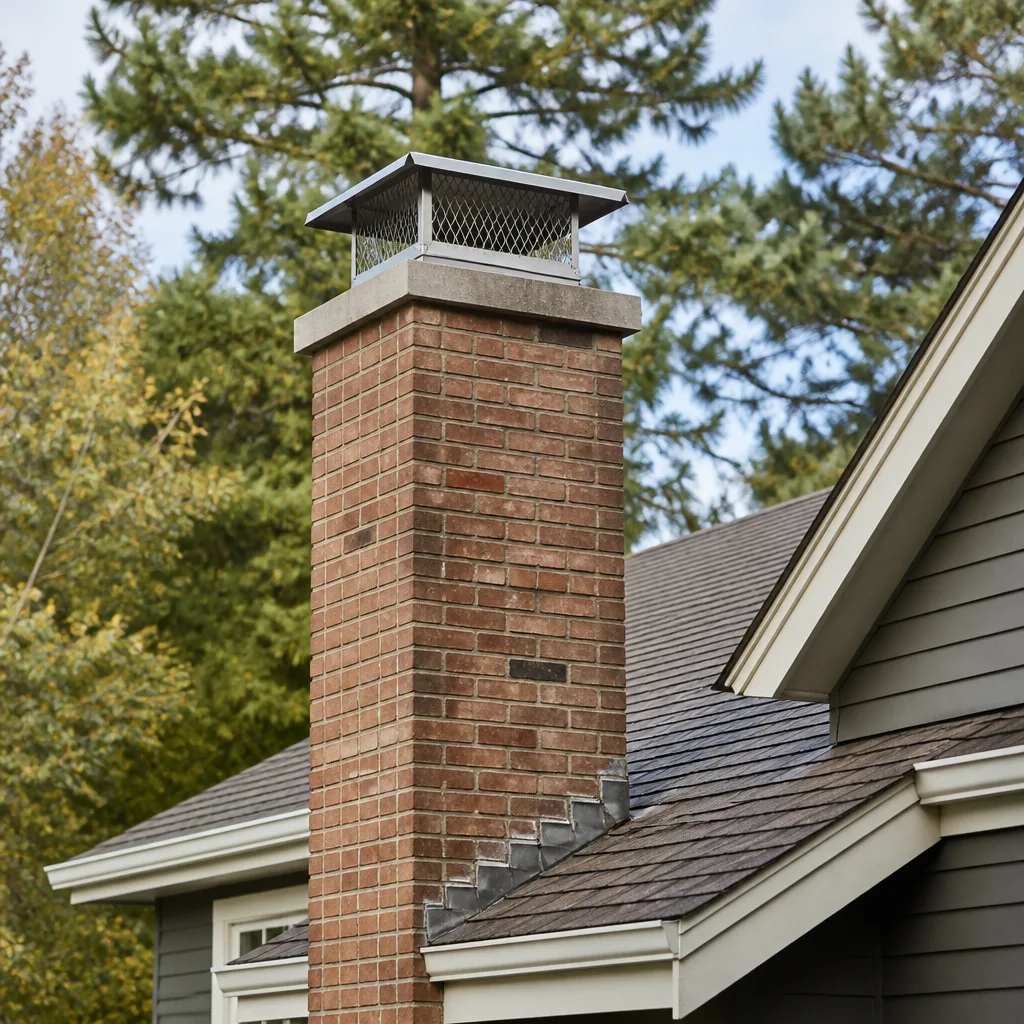
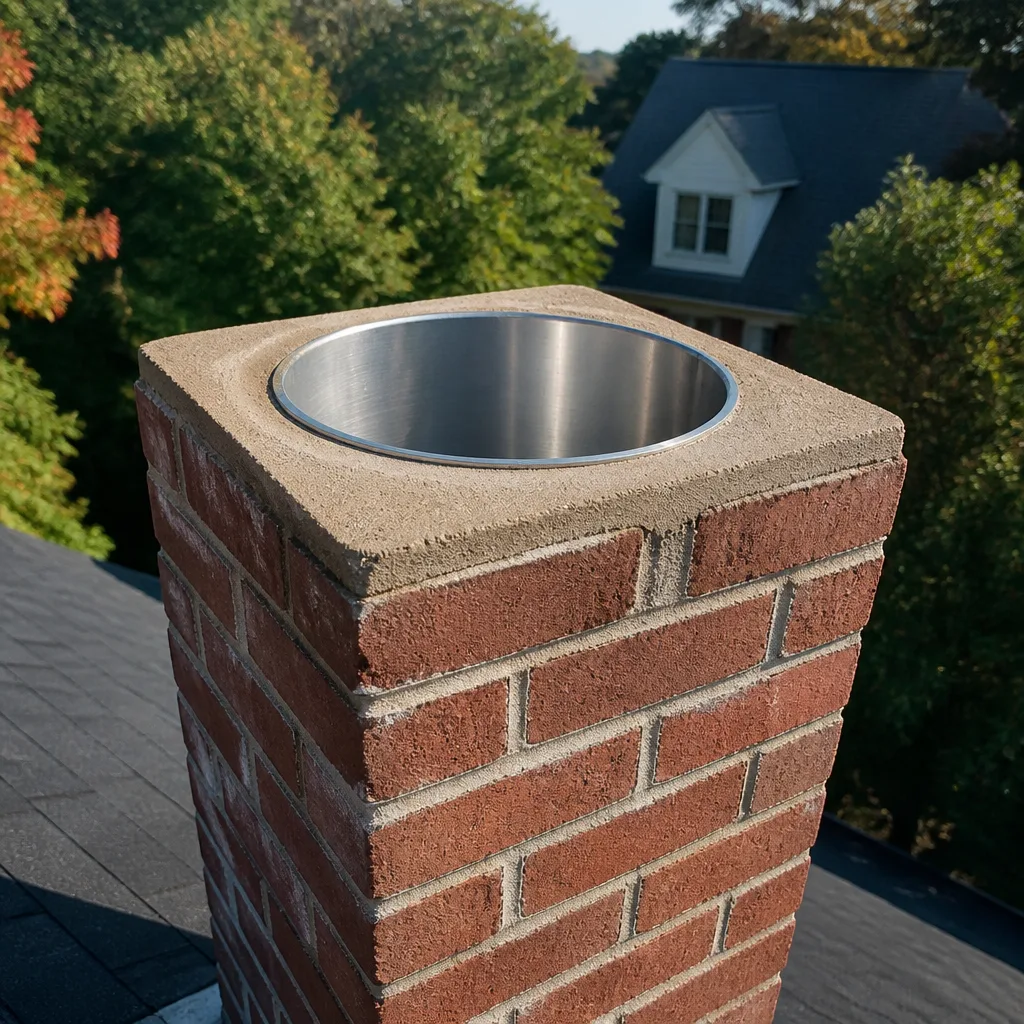
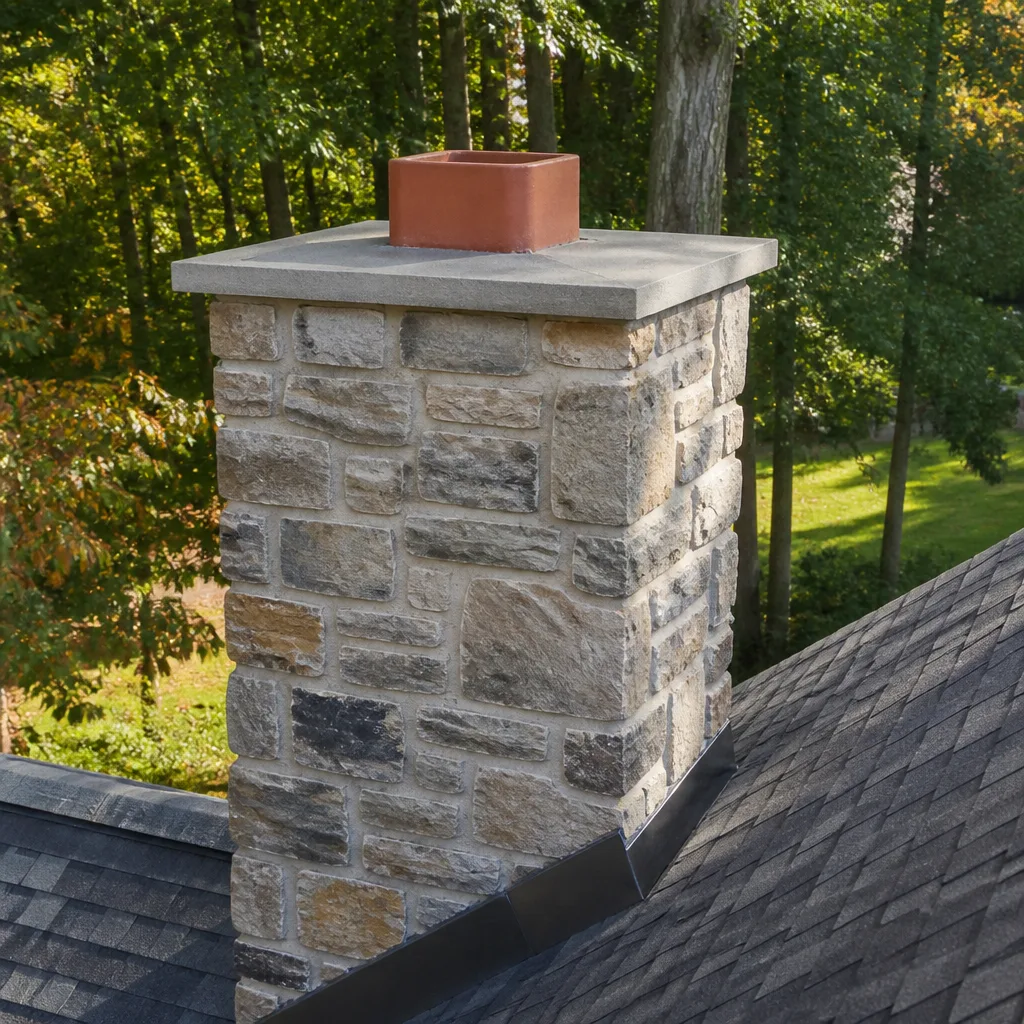
Level 1 sweep and inspection to the NFPA 211 annual standard - flue, crown, cap, and flashing checked and photographed
Chimney sweep logs do not sweep chimneys. They loosen some creosote - which then falls where a brush and vacuum still have to collect it.
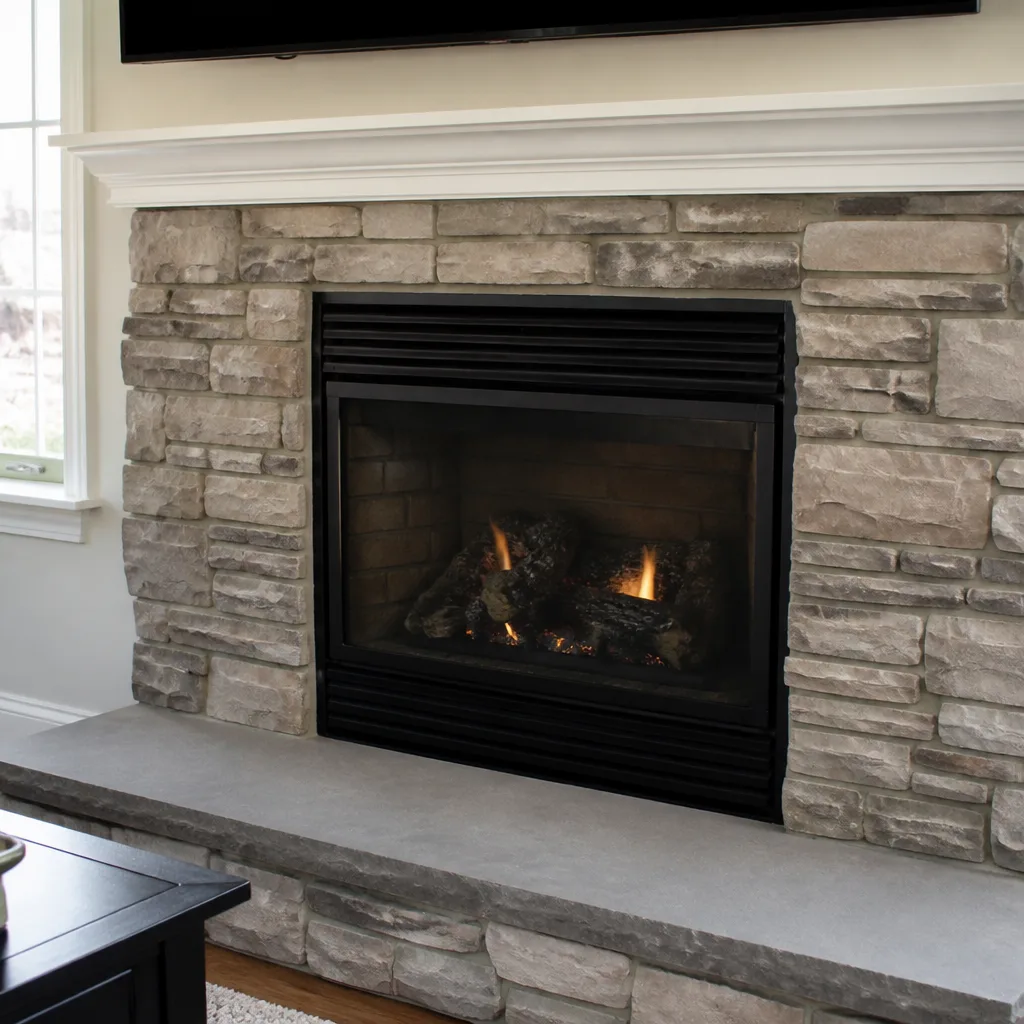
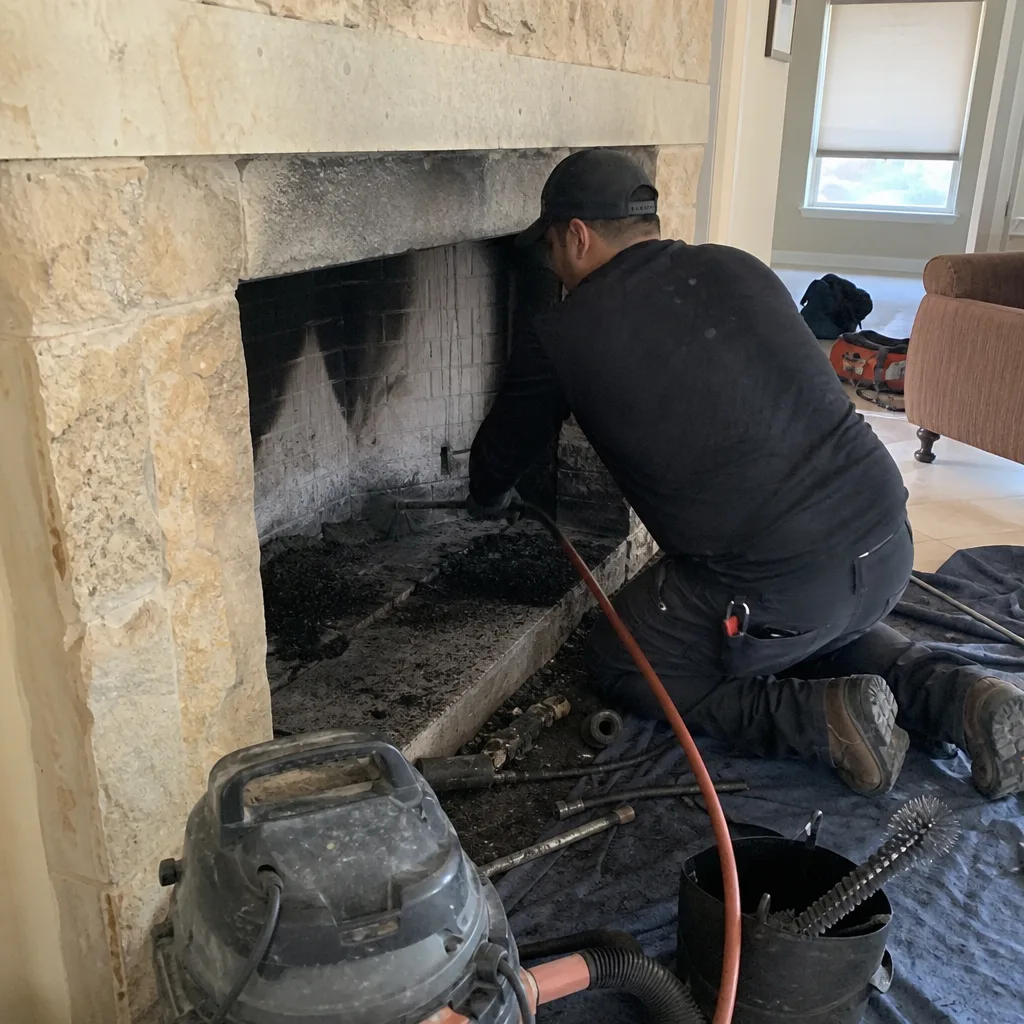 Before
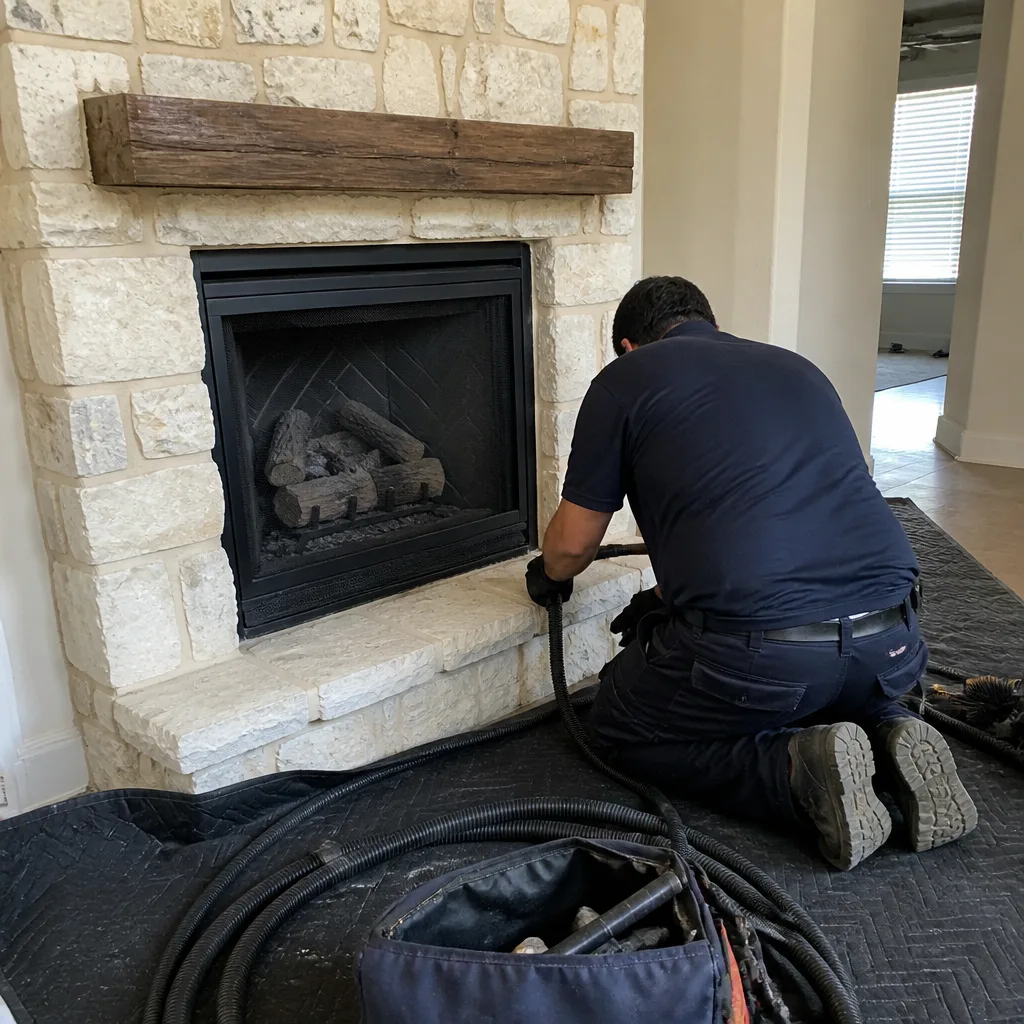 After
After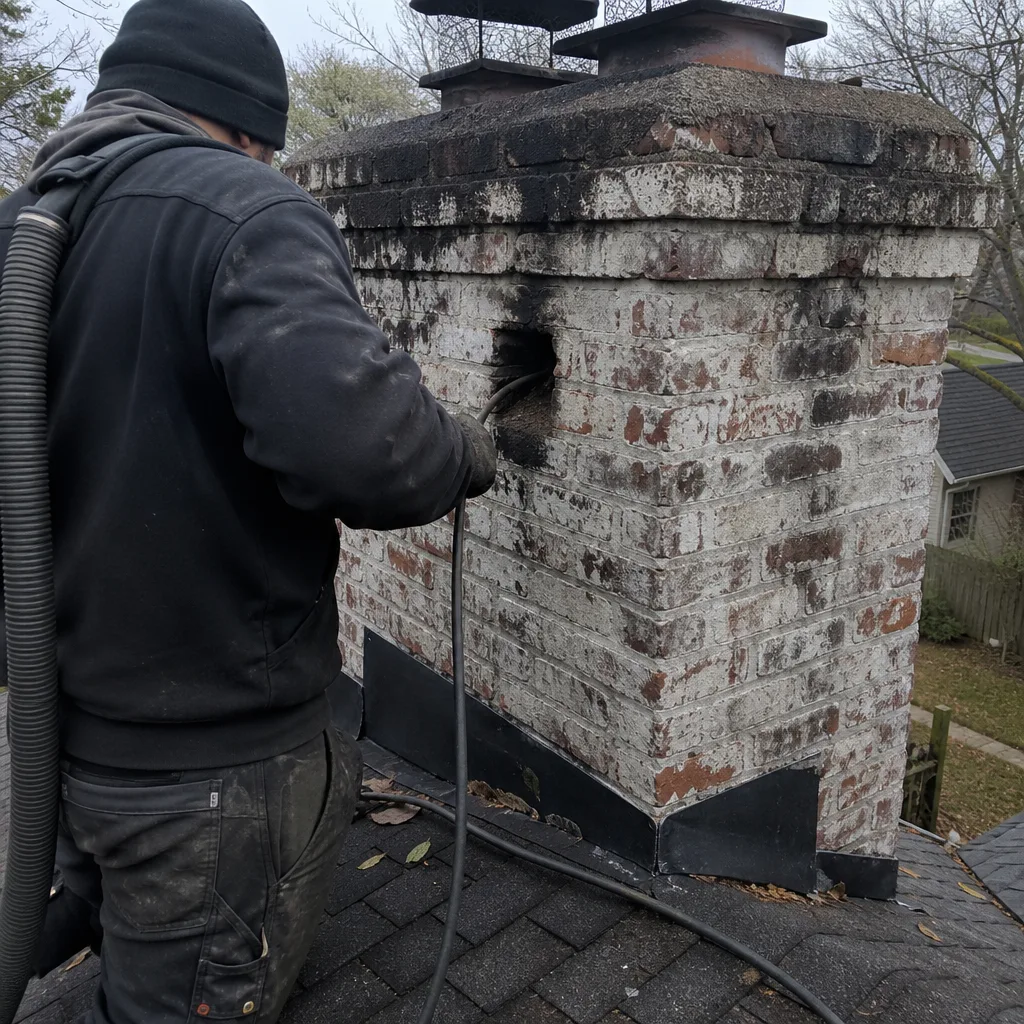 Before
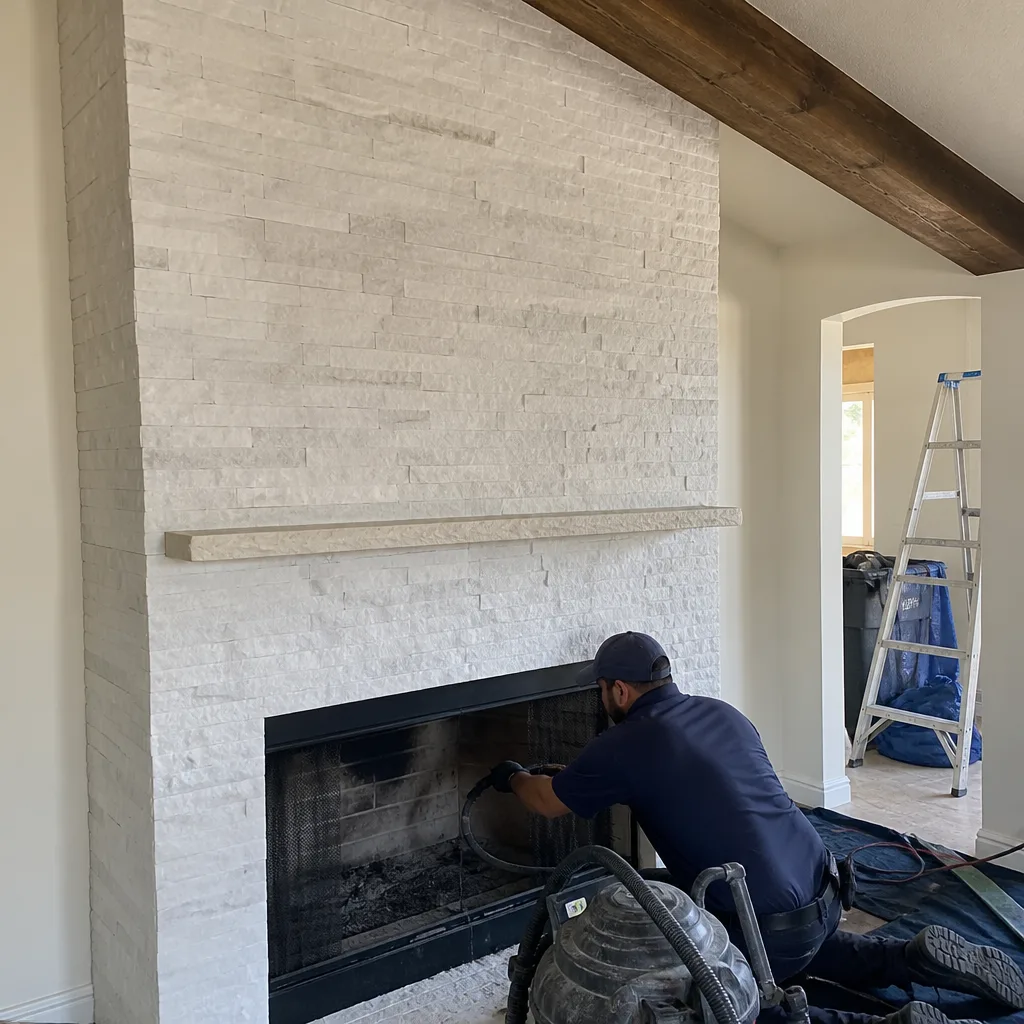 After
After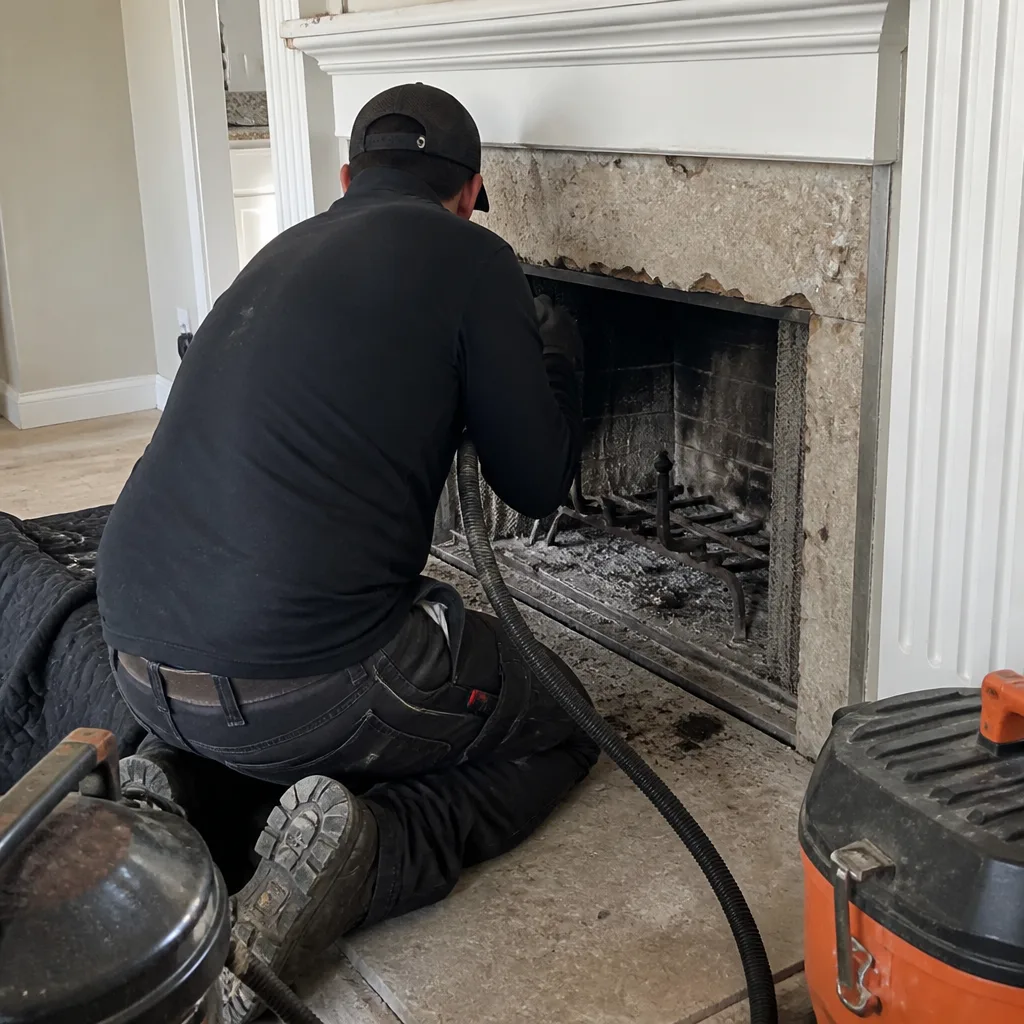 Before
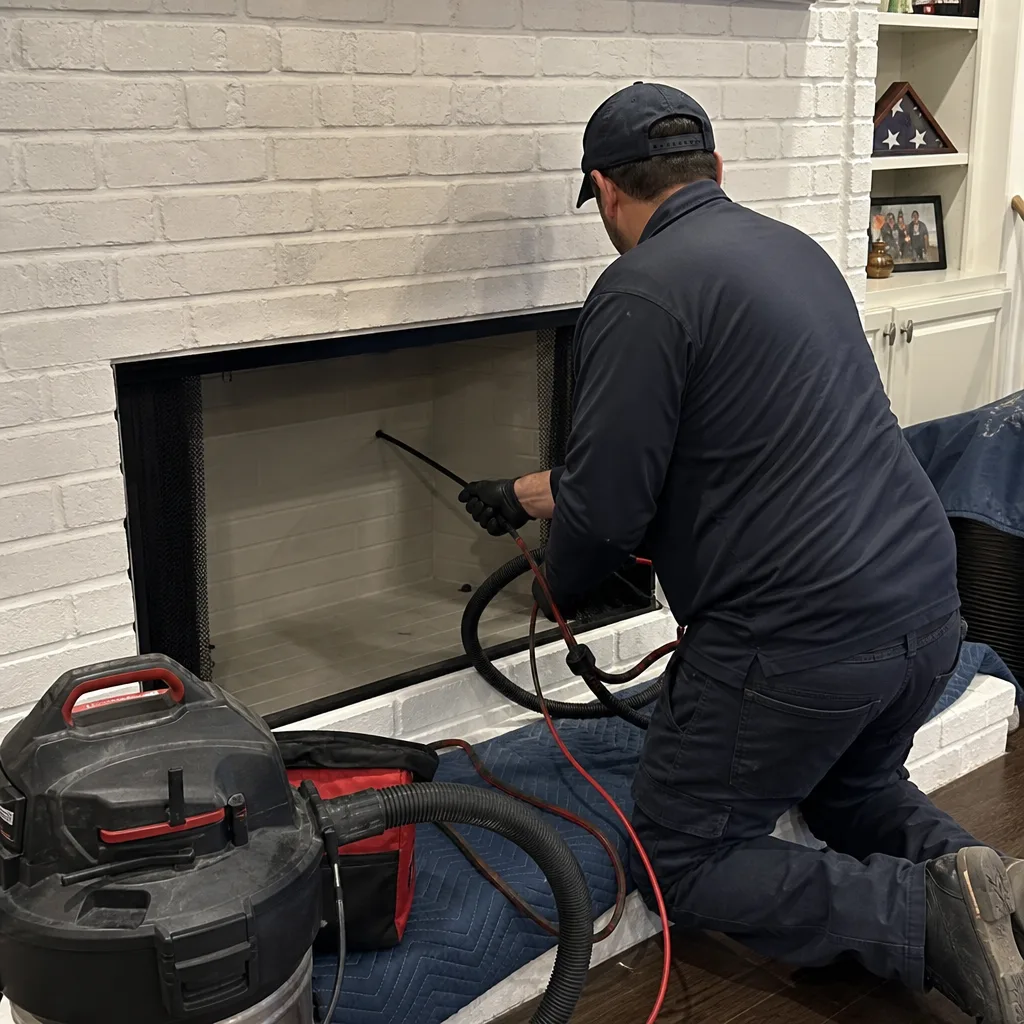 After
AfterChimney Cleaning Cost Breakdown: The Dallas Homeowner’s Reference for 2026
A $99 chimney cleaning and a $299 chimney cleaning can both be legitimate. Or neither can be. In Dallas, where 62% of single-family homes built between 1985 and 2010 have original masonry chimneys now entering their most maintenance-intensive years, the quoted price alone tells you almost nothing. What matters is whether that number includes a camera scan of the flue liner, a written report with photos, cap and crown inspection, and a smoke draft test - or whether each of those becomes a surprise add-on once the technician is already on your roof. This guide breaks Dallas chimney cleaning into its actual components, with 2026 market pricing for each, so you can compare bids on equal terms instead of chasing the lowest number. For Chimney Cleaning Warning Signs: A Dallas Homeowner’s Reference Guide, see our companion resource.
Quick Answer
In Dallas, a complete chimney cleaning and Level 2 inspection in 2026 typically runs $250-$450 for a standard masonry fireplace with stage-1 creosote. That range includes the sweep labor, camera-scan inspection, written photo report, exterior cap and crown check, and smoke draft test. A basic sweep-only service without inspection starts around $150, while stage-3 glazed creosote removal requiring chemical treatment and mechanical restoration can reach $800-$1,400.
Table of Contents
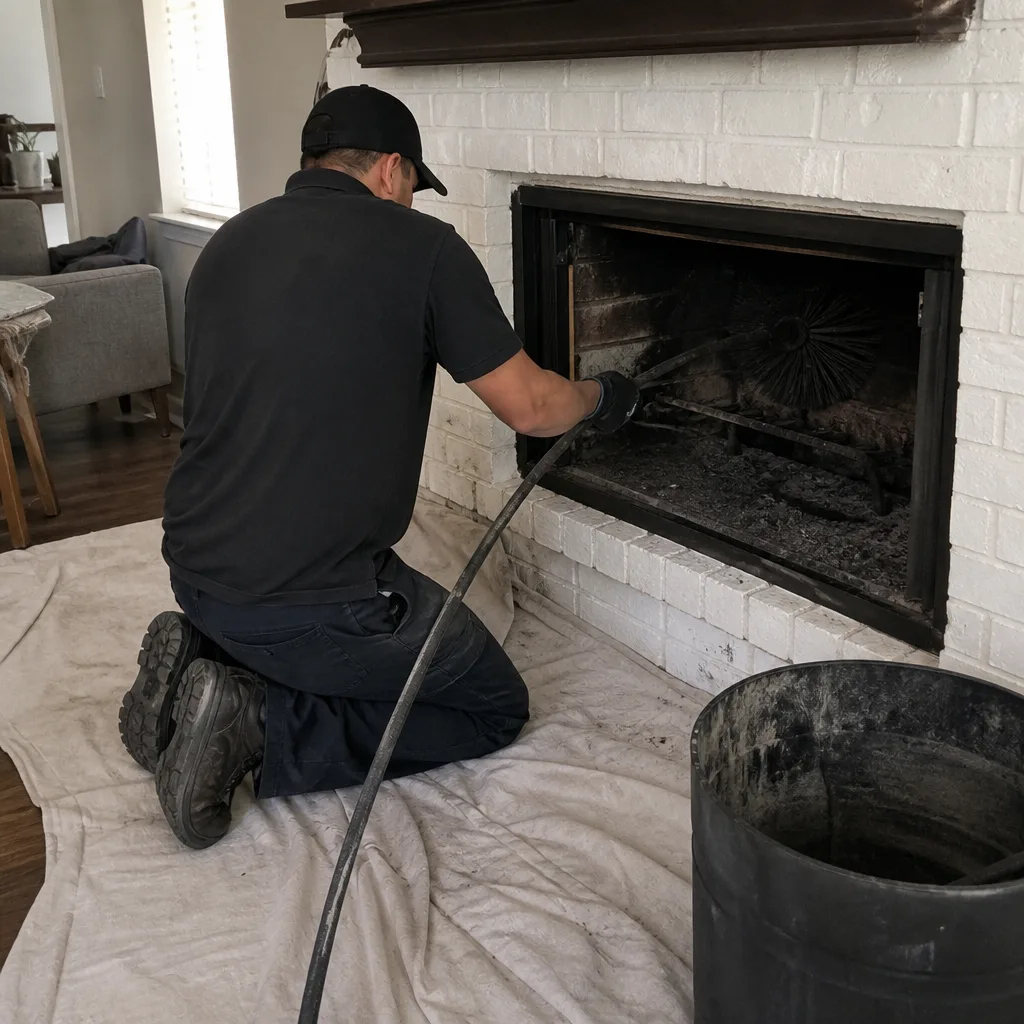
- What Full-Service Chimney Cleaning Actually Includes
- 2026 Dallas Market Pricing: Line by Line
- What the $79-$99 Price Typically Excludes
- How Creosote Stage Affects Your Final Price
- The Real Cost of Deferring Cleaning
- How to Get a Written Price Before Work Starts
- Common Mistakes to Avoid
- When to Call a Professional
- Frequently Asked Questions
 Before
 After
AfterWhat Full-Service Chimney Cleaning Actually Includes
Most Dallas homeowners assume “chimney cleaning” is a single, standardized service. It isn’t. The NFPA 211 standard defines multiple levels of inspection, and a legitimate cleaning involves distinct technical steps that separate companies bundle differently. Understanding these components - or using our Chimney Cleaning & Sweep Maintenance Checklist for Dallas Homeowners - lets you ask better questions and spot what’s missing from a low quote.
Here’s what a complete service looks like under the Chimney Cleaning & Sweep in Dallas standard we follow:
- Pre-inspection exterior assessment. The technician examines the chimney crown, cap, flashing, and visible masonry for spalling, cracking, or water intrusion. In Dallas, thermal cycling between 105°F summer days and sub-freezing winter nights accelerates crown deterioration. We document what we see before touching anything.
- Interior sweep of the firebox and smoke chamber. Using rotary brushes sized to the flue diameter, the technician removes loose soot and stage-1 creosote from the firebox floor, smoke chamber walls, and accessible flue sections. This is the “cleaning” most people picture.
- Camera-scan inspection of the full flue liner. A high-resolution camera travels the entire flue length, recording liner condition, joint separation, mortar loss, and any obstructions. NFPA 211 Level 2 requires this; a flashlight look from the top or bottom does not qualify. We’ve found cracked clay liners in Lakewood homes and shifted flue tiles in Preston Hollow that a flashlight would miss entirely.
- Smoke draft and flow test. The technician verifies proper draft performance under operating conditions. Poor draft in Dallas often traces to chimney height relative to roofline, nearby tree growth, or negative pressure from modern HVAC systems.
- Cap, damper, and spark arrestor function check. Missing or corroded caps are the single most common entry point for water and wildlife in Dallas. The technician confirms damper operation and spark arrestor integrity.
- Written photo report with findings and recommendations. You receive dated photos from the camera scan, a written condition assessment, and any recommended repairs with prices. This documentation matters for insurance claims and future sale disclosures.
Each step carries labor and equipment costs. When a company quotes $99, some of these steps are being skipped, performed superficially, or held back as add-ons. The next section shows what each component costs in the Dallas market when priced honestly.
2026 Dallas Market Pricing: Line by Line
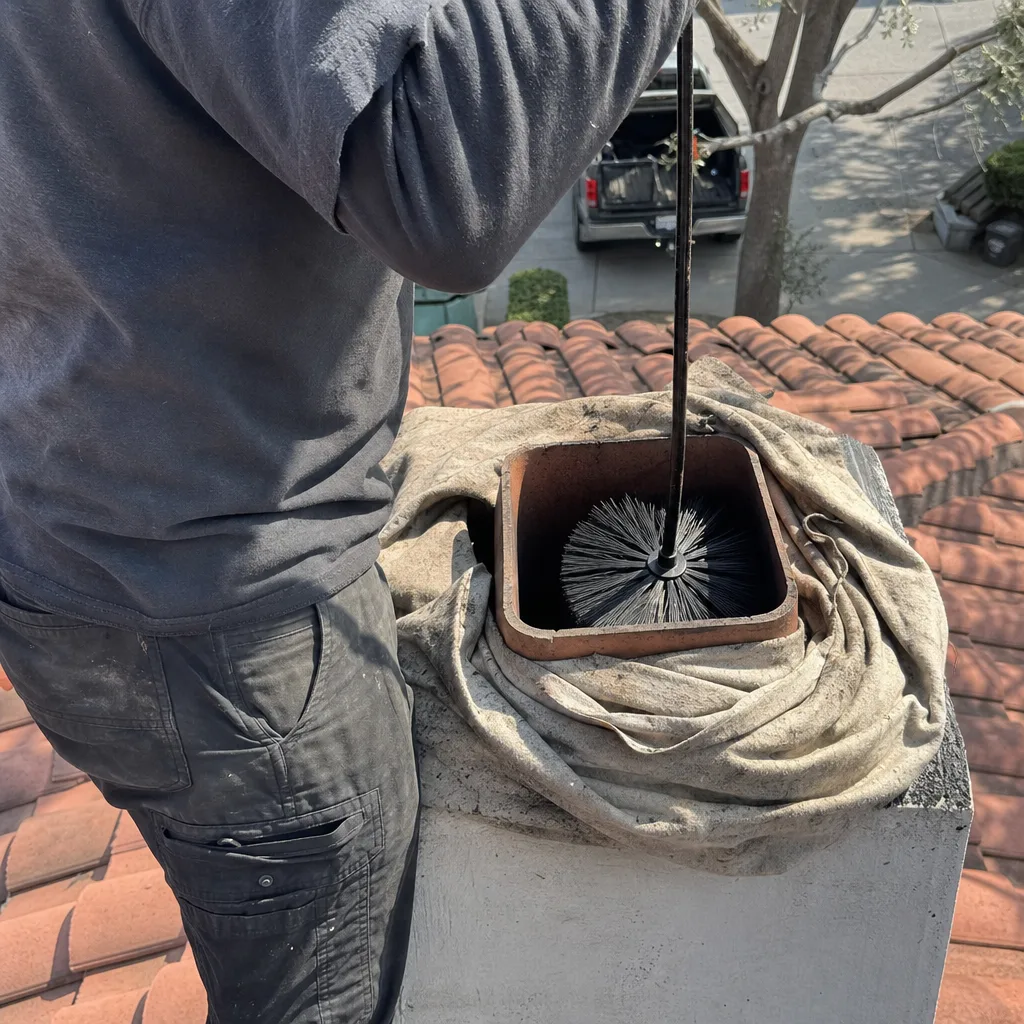
These ranges reflect what we see from legitimate, insured chimney companies across Dallas, Collin, and Denton counties in early 2026. Prices vary by chimney type, roof accessibility, and fuel type (wood-burning vs. gas vs. pellet).
| Component | Typical Dallas Range | What’s Included |
|---|---|---|
| Basic sweep (no inspection) | $150-$200 | Brush cleaning of firebox and accessible flue; no camera, no report |
| NFPA 211 Level 1 inspection + sweep | $200-$280 | Visual inspection without camera; basic sweep; verbal or brief written summary |
| NFPA 211 Level 2 inspection + sweep | $280-$450 | Camera-scan of full flue; written photo report; cap/damper check; smoke test |
| Stage-2 creosote chemical treatment | $180-$350 add-on | Application of creosote modifier; return visit for mechanical removal |
| Stage-3 glazed creosote removal | $500-$900 add-on | Multiple chemical applications; rotary chain removal; extended labor |
| Cap replacement (standard stainless) | $280-$450 installed | Custom-fit cap; hardware; installation |
| Crown repair (minor crack sealing) | $350-$600 | Cleaning; flexible crown sealant; curing |
| Firebox refractory panel replacement | $800-$1,500 | Prefabricated panels; installation |
| Stainless steel liner installation (average masonry chimney) | $2,800-$4,500 | Insulated flexible liner; top plate; connector; installation |
Gas fireplace cleaning runs lower, typically $180-$280, because there’s no creosote accumulation. But gas systems still require burner inspection, venting verification, and debris removal from the firebox and pilot assembly. The camera scan remains essential; we’ve found deteriorated B-vent connectors in Uptown condos and bird nests in Lake Highlands gas flues that would have gone undetected without it.
For context, Dallas pricing sits roughly 8-12% below national averages for chimney services, reflecting competitive density and lower winter heating demand than northern markets. However, the metro’s clay-heavy soils and expansive foundation movement create unique masonry stress that drives repair costs higher than in stable-bedrock cities.
What the $79-$99 Price Typically Excludes
The $79-$99 chimney cleaning advertised on mailers, coupon sites, and neighborhood apps follows a specific business model. Understanding it protects you from sticker shock and incomplete service.
Here’s how the model works in practice:
- The technician arrives and performs a cursory brush sweep. This takes 20-30 minutes. No camera enters the flue. The “inspection” is a flashlight glance from the firebox or roof top.
- Everything else becomes an upgrade. The camera scan ($150-$200), written report ($75), cap inspection ($50), and smoke test ($85) are presented as optional add-ons after arrival. The $99 service is technically delivered; anything useful costs extra.
- Findings are delivered verbally, with urgency. Without photo documentation, you have no way to verify claimed damage. We’ve been called to second-opinion appointments in East Dallas and Oak Cliff where homeowners were told they needed immediate liner replacement based on a flashlight description. Our camera scan showed intact liners with minor mortar loss that could be monitored annually.
- The sweep itself may be incomplete. Stage-2 or stage-3 creosote cannot be removed with standard brushes. If the technician doesn’t camera-scan first, they may not discover this until halfway through, then present the chemical treatment as an unexpected $300-$500 addition.
There’s a legitimate place for basic sweep-only service: annual maintenance on a well-maintained system with recent Level 2 documentation. But most Dallas chimneys haven’t had that documentation. In our 38,000+ inspections since 2009, roughly 60% of first-time clients had no prior camera-scan record or Chimney Cleaning Permits, Codes & Inspections in TX: What You Need to Know documentation. Without one, a $99 sweep is gambling with incomplete information.
The Haven Standard Clause 1 requires a written price, written scope, and written warranty before any work begins. Not after the technician arrives. Not after findings are presented. Before. This eliminates the add-on model entirely.
How Creosote Stage Affects Your Final Price
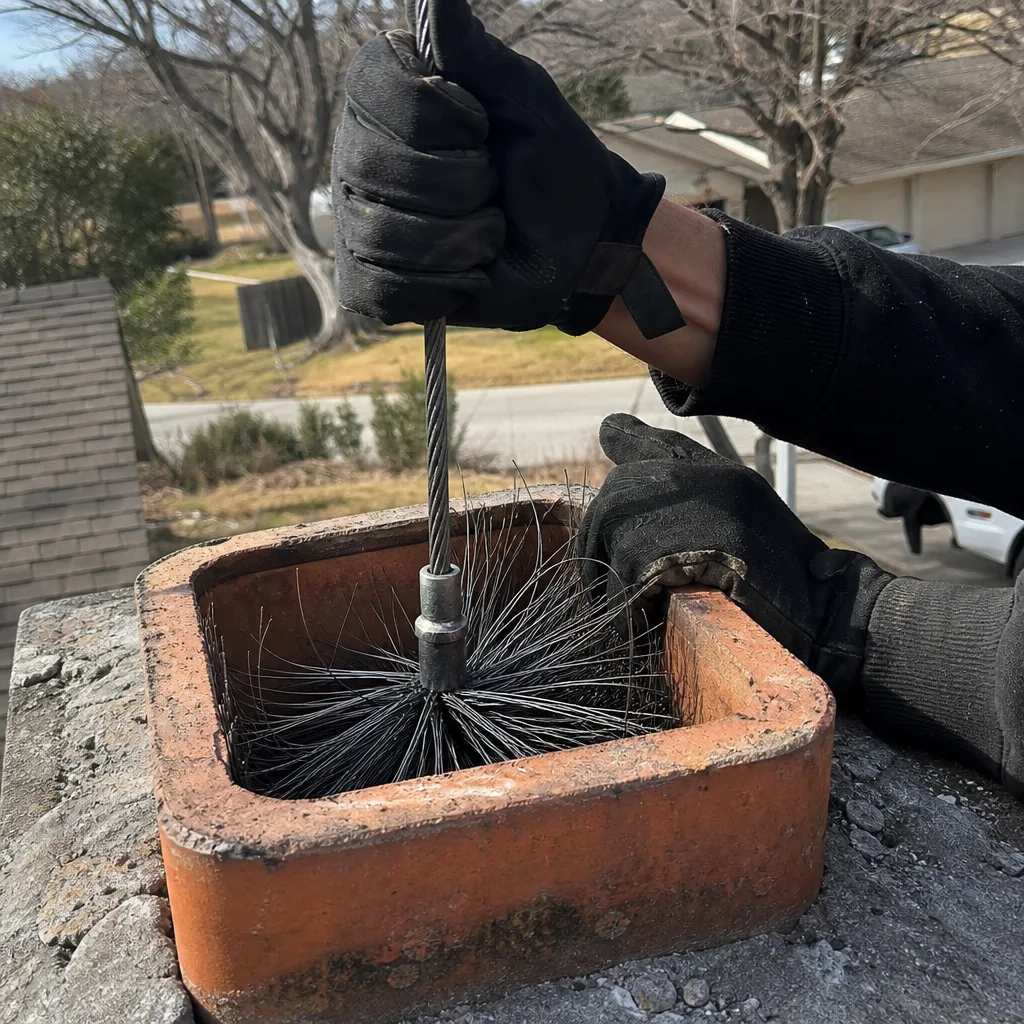
Creosote accumulation determines how much labor and what methods your cleaning requires. A company cannot accurately stage creosote without camera access. Phone quotes that assume stage-1 are guesses, and guesses tend to break in the company’s favor.
Stage 1: Soot and flaky creosote. This is normal accumulation from seasoned hardwood burned with adequate air supply. Removal requires standard rotary brushes and takes 45-90 minutes for a typical Dallas masonry fireplace. Included in standard Level 2 pricing ($280-$450).
Stage 2: Tar-like, sticky creosote. Forms when wood is burned at lower temperatures or with restricted air. Standard brushes won’t remove it. The technician applies a creosote modifier (sodium hydroxide-based or magnesium-based chemical) that breaks the tar’s bond with the flue wall, then returns in 24-72 hours for mechanical removal with harder brushes or chain systems. This adds $180-$350 to the base price and requires a second appointment.
Stage 3: Glazed, hardened creosote. This is the dangerous stage. It forms a shiny, brittle layer that reduces flue diameter, restricts draft, and ignites at lower temperatures than stage-1 or stage-2 material. Removal requires multiple chemical applications, rotary chain flailing, and extended labor. In severe cases, the liner itself is compromised and replacement becomes the safer option. Stage-3 removal runs $500-$900 above base price; liner replacement, if needed, starts around $2,800.
Dallas’s mild winters contribute to stage-2 and stage-3 formation more than many homeowners realize. Because we don’t have sustained cold, fires tend to be smaller, shorter, and smoldering - exactly the conditions that produce sticky and glazed creosote rather than complete combustion. We’ve seen heavy stage-3 accumulation in Lakewood homes where the fireplace was used only a dozen times per year, and in Frisco new construction where “seasoned” firewood was actually green oak.
The camera scan prevents pricing surprises by establishing stage before work begins. Clause 4 of the Haven Standard requires that photo record; it’s how we prove what we found and how we quote accurately.
The Real Cost of Deferring Cleaning
Annual chimney cleaning is preventive maintenance, not aesthetic upkeep. The cost of skipping it compounds in predictable ways that Dallas homeowners should understand with real numbers.
Scenario 1: Deferred cleaning leads to stage-3 creosote. A $280 annual cleaning skipped for three years becomes an $800-$1,200 restoration job. If the flue liner is damaged by heat or chemical corrosion during that period, add $2,800-$4,500 for stainless steel liner installation using materials from Level Two Chimney Dallas home suppliers like Olympia Chimney or DuraFlex.
Scenario 2: Water intrusion through unmaintained crown and cap. A $400 crown repair and $350 cap replacement deferred for two years allows water into the chimney structure. Freeze-thaw cycling in Dallas winters spalls brick faces and deteriorates mortar joints. The repair escalates to partial rebuild at $3,500-$6,000, or full rebuild at $8,000-$15,000 for tall chimneys on two-story homes in Highland Park or University Park.
Scenario 3: Undetected liner crack leads to structure fire or CO intrusion. This is the worst outcome. A cracked clay flue liner allows combustion gases into wall cavities. Carbon monoxide can migrate to bedrooms before detectors alarm. A chimney fire from stage-3 creosote can crack the liner further and ignite adjacent framing. The National Fire Protection Association reports an average of $12,000 in structure fire damage from chimney-origin fires, and that’s before health consequences from CO exposure.
These aren’t scare tactics. They’re what we document with our camera on calls where cleaning was deferred. The photo record doesn’t lie. A $280 cleaning with documentation is verifiable prevention. A $99 sweep without inspection is deferred information, and deferred information becomes expensive.
In Dallas’s insurance market, documented annual maintenance also matters for claims. Carriers increasingly request inspection records for chimney-related damage. A written photo report from a Level 2 inspection satisfies this requirement. A verbal “yeah, we cleaned it” does not.
How to Get a Written Price Before Work Starts
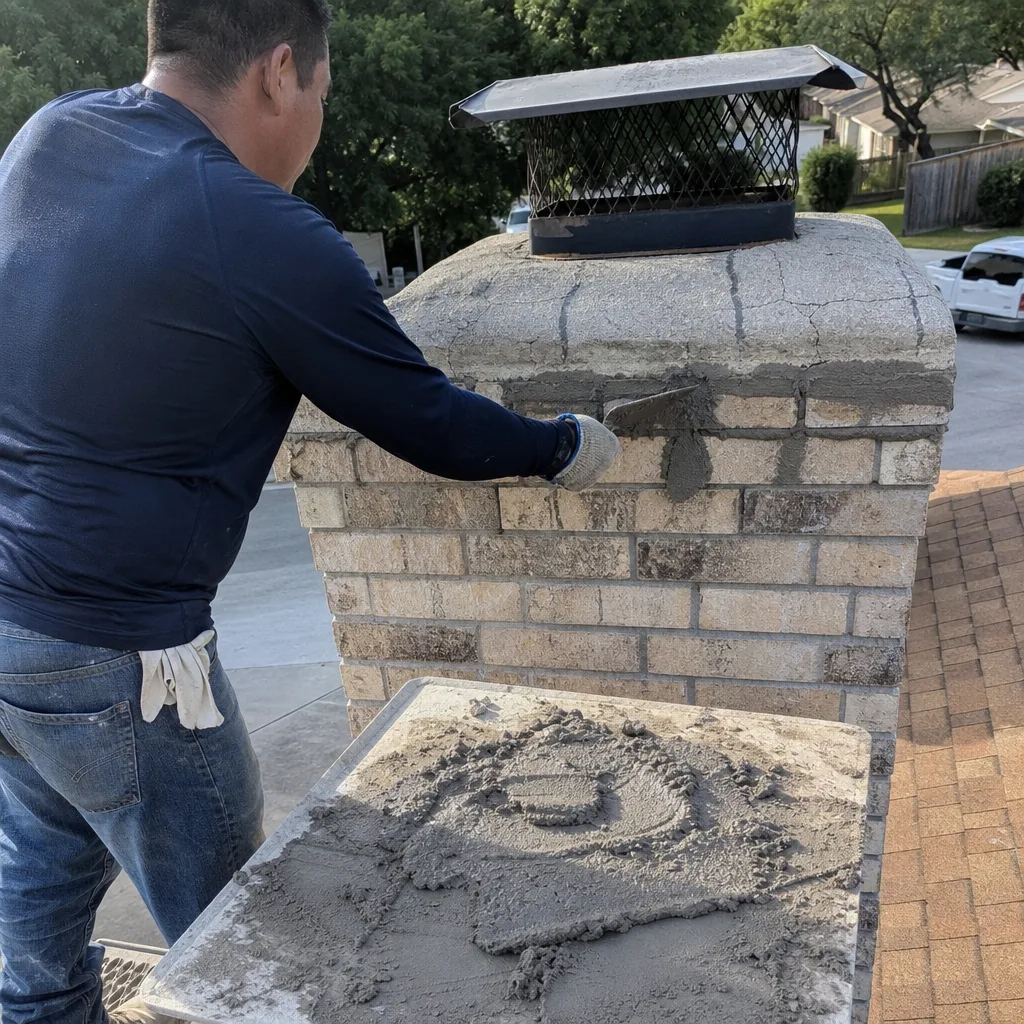
Verbal pricing is the standard tool of the add-on model. A legitimate company should deliver a written quote you can review without pressure. Here’s what to request and what to expect.
- Ask for itemization. The quote should separate sweep labor, inspection level, documentation, and any recommended repairs. A single number with no breakdown is a red flag.
- Confirm the inspection standard. “Level 2” should mean camera scan of the full flue, not a flashlight look. Ask specifically: “Does this include a camera inspection from top to bottom?”
- Request sample documentation. A company that delivers photo reports should be able to show you a redacted example. We provide sample reports so Dallas homeowners know what they’ll receive.
- Verify what’s included if creosote is stage-2 or stage-3. A quote that assumes stage-1 without verification will change. Ask: “If you find glazed creosote, what’s the additional cost, and will you show me the camera evidence before proceeding?”
- Check for warranty language. The Haven Standard’s 365-Day Done Right Promise covers workmanship. The quote should state what this covers and how claims are handled.
- Confirm technician credentials. License number, background check confirmation, and whether the same person who quotes performs the work. Under H.A.V.E.N., our technicians are uniformed, background-checked, and named before arrival.
A written quote should contain: company name and license information, your address and chimney description, scope of work with inspection standard specified, itemized pricing, warranty terms, and technician assignment. If any element is missing, you’re not comparing complete bids.
Level Two Chimney Dallas has delivered written prices before work on every job since 2009. No exceptions. It’s Clause 1 of the Haven Standard, and it’s how we’ve completed 38,000+ inspections without a single invoice dispute over scope.
Common Mistakes to Avoid
- Comparing only the headline price. A $150 sweep without inspection and a $350 Level 2 service are different products. Compare components, not top-line numbers.
- Assuming gas fireplaces don’t need inspection. Gas systems don’t produce creosote, but they do produce moisture, corrosive condensation, and venting issues. We’ve found deteriorated B-vent and debris-blocked flues in Dallas gas fireplaces that created CO hazards.
- Booking based on “chimney sweep season” urgency. Dallas’s mild climate means we’re busy year-round, but there’s no pre-winter crush like northern markets. Don’t let manufactured urgency drive your decision.
- Accepting verbal findings without photo evidence. If a technician claims you need $3,000 in repairs, ask to see the camera footage. A legitimate finding is documentable. We’ve provided free second opinions on competitor estimates where claimed “liner failure” was actually normal clay tile texture visible on camera.
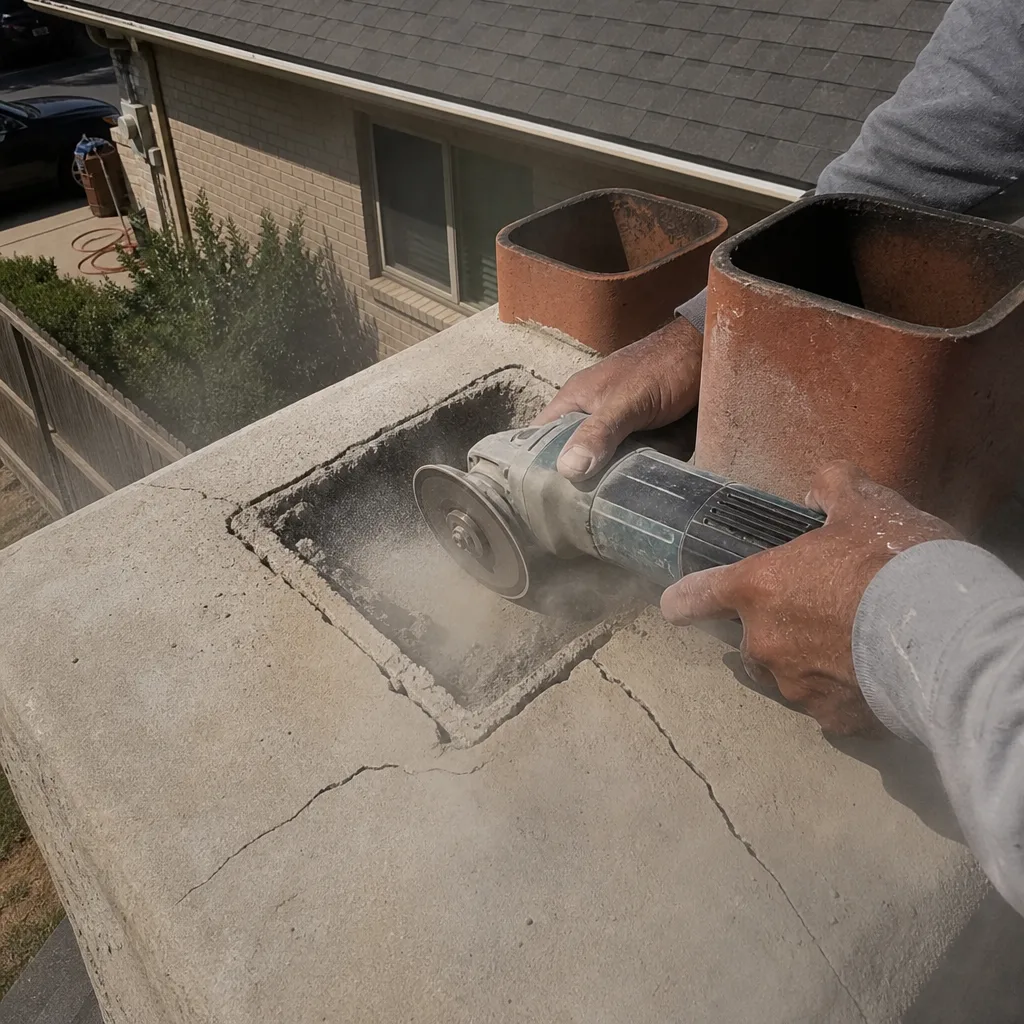
- Ignoring the crown and cap. Dallas’s summer UV exposure and thermal cycling destroy crown sealant faster than many owners expect. A cleaning that doesn’t include exterior inspection misses the most common water entry point.
- Choosing the lowest bid for liner replacement. Liner quality varies enormously. Materials from HeatShield, Gelco, and Olympia Chimney carry specific warranties and installation requirements. A low bid may use uninsulated flex liner where insulated is required by code, or skip proper top plate sealing.
- Not requesting documentation for resale. Dallas’s competitive real estate market increasingly sees chimney inspections as part of buyer due diligence. A documented photo record from 2026 protects your disclosure position in a 2028 sale.
When to Call a Professional
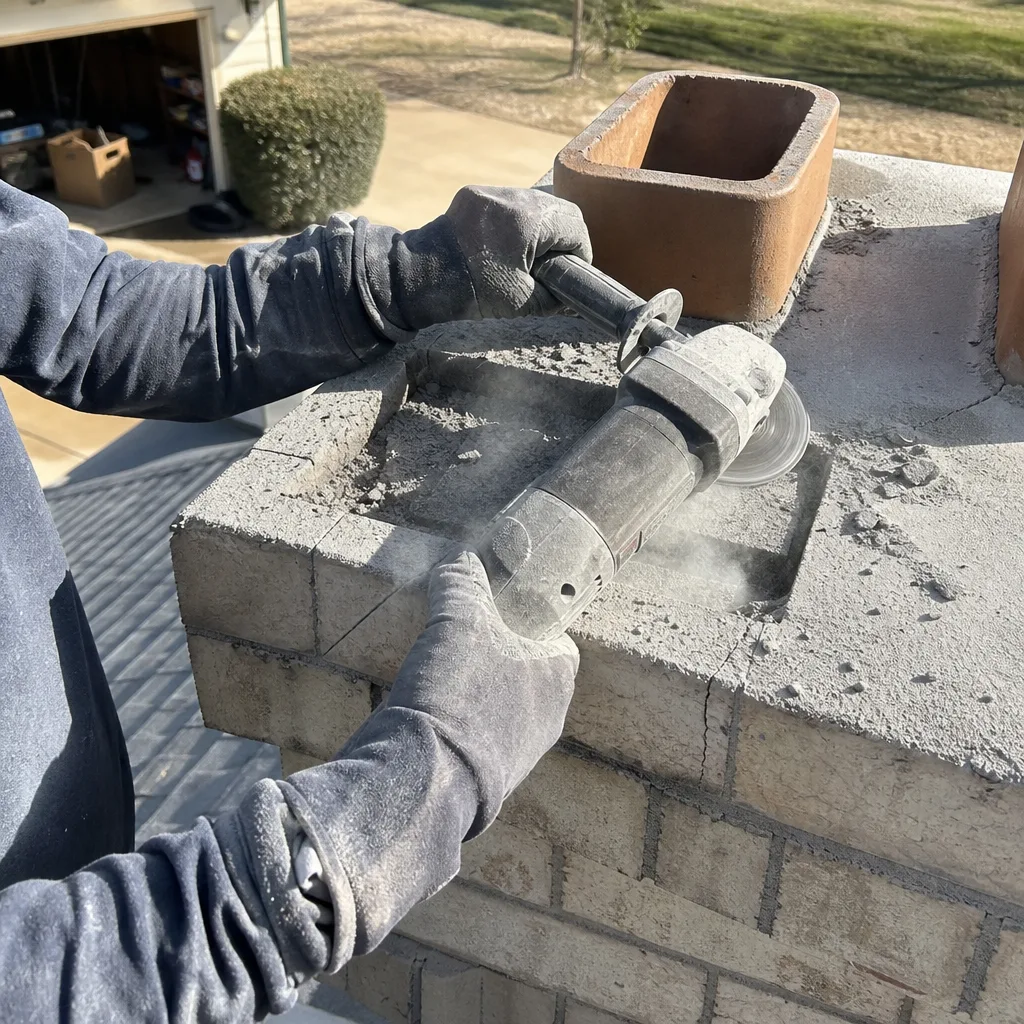
Call for inspection if you haven’t had a camera-scan Level 2 inspection in the past 12 months, regardless of use frequency. Call promptly if you notice: smoke entering the room during fireplace use, a strong tar odor on warm days, visible cracks in the firebox or exterior masonry, water stains on the ceiling near the chimney, or a damper that sticks or won’t fully close.
Carbon monoxide symptoms - headache, nausea, dizziness while the fireplace operates - demand immediate evacuation and emergency services before calling a chimney company.
Chimney Repair in Dallas becomes necessary when inspection finds structural damage, liner compromise, or water intrusion beyond preventive maintenance. Fireplace Services in Dallas covers gas system diagnostics, insert maintenance, and efficiency upgrades.
Level Two Chimney Dallas offers free estimates throughout Dallas - call (972) 284-1392. Every estimate includes a written scope and written price before any work begins, backed by the 365-Day Done Right Promise.
Frequently Asked Questions
A complete chimney cleaning with NFPA 211 Level 2 camera inspection in Dallas costs $280-$450 for standard wood-burning masonry fireplaces with stage-1 creosote. Basic sweep-only service without inspection starts around $150. Gas fireplace cleaning typically runs $180-$280. Call (972) 284-1392 for a written estimate specific to your system - estimates are free.
A new liner should only be recommended with camera documentation you can see for yourself. Common legitimate reasons: cracked or shifted clay tiles, gaps between tile sections, or spalled flue surfaces that expose combustible structure. In our experience, roughly 15% of Dallas chimneys over 25 years old need liner attention, but the finding must be verifiable. If a company recommends liner replacement without showing you camera footage, get a second opinion. We provide free second opinions on any written competitor estimate.
NFPA 211 recommends annual inspection for all chimney systems, with cleaning frequency determined by creosote accumulation. In Dallas’s climate, where fires tend to be smaller and cooler-burning, stage-2 creosote develops faster than in colder regions. Most wood-burning homeowners need annual cleaning; gas systems can often extend to every 2-3 years with annual inspection. The camera scan determines actual condition rather than calendar assumptions.
Skipped cleaning allows creosote to progress from stage 1 to stage 2 or 3, which requires chemical treatment or mechanical restoration at 2-4x the cost of routine maintenance. Water intrusion through unmaintained caps and crowns deteriorates masonry, potentially requiring partial or full rebuild at $3,500-$15,000. Most critically, undetected liner damage creates fire and carbon monoxide hazards that develop without visible warning signs. The $280 annual cleaning prevents outcomes that cost ten to fifty times as much.
They don’t charge for the same service. The $99 price typically covers a brief brush sweep with flashlight inspection, no camera, no written report, and no documentation. Each additional component becomes a separately priced add-on presented after arrival. The $280-$350 range from companies following NFPA 211 Level 2 standards includes camera scan, written photo report, cap and crown check, and smoke test as standard. Compare line items, not headlines.
A Level 2 inspection includes camera-scan examination of the full flue liner, accessible portions of the smoke chamber and firebox, exterior crown and cap assessment, and smoke draft testing with written photo documentation. It’s required by NFPA 211 for property transfers, after chimney fires, and when changing appliance type. For Dallas homeowners, it’s worth the cost because it provides verifiable condition documentation, enables accurate repair quoting, and satisfies insurance and real estate disclosure requirements. Clause 4 of the Haven Standard requires this documentation on every job we perform.
Homeowners can perform basic firebox cleaning and ash removal safely. However, flue inspection requires specialized camera equipment and training to interpret findings accurately. More importantly, chimney work involves heights, steep roofs, and confined spaces with combustion residue. We don’t recommend DIY flue cleaning or roof-level inspection; the fall risk and potential for incomplete creosote removal outweigh savings. A professional sweep with documentation also creates the record you need for insurance and resale purposes.
The Bottom Line
Chimney cleaning prices in Dallas only make sense when broken into components. A $99 service that excludes camera inspection, written documentation, and cap assessment isn’t comparable to a $350 service that includes them. The real cost of any chimney service is what you pay plus what you don’t discover - deferred maintenance that becomes structural repair, or undetected liner damage that becomes a safety hazard. In 2026, expect $280-$450 for legitimate full-service cleaning with Level 2 inspection, and demand written pricing, photo documentation, and warranty terms before any work begins. That’s the standard we’ve followed since 2009, and it’s the only way to compare bids on equal terms. Explore more guides & resources on chimney safety and maintenance.
Written by Corrine Halstead, Owner at Level Two Chimney Dallas, serving Dallas since 2009.